โ˜…โ˜…โ˜…โ˜…โ˜… Excellent โ€” TripAdvisor & Google

Try: Serengeti ยท Kilimanjaro Lemosho ยท Zanzibar ยท Family Safari

Marine Life

The East Africa Marine Life Guide

Beneath the Indian Ocean's turquoise water, Tanzania and Kenya's coastline holds whale sharks, humpback whales, coral gardens, and marine biodiversity that rivals any terrestrial safari for sheer wonder.

Beneath the Surface

A Coastline of Extraordinary Biodiversity

Tanzania and Kenya's Indian Ocean coastline runs for over 2,000 kilometers, protecting globally significant coral reefs, seagrass meadows, mangrove forests, and open ocean waters. These varied habitats support everything from massive whale sharks aggregating at Mafia Island to vibrant coral gardens teeming with tropical fish.

Warm water, excellent visibility, and genuinely accessible locations make marine experiences here rewarding for snorkelers and divers of any experience level, and seasonal patterns bring migrations and behavioral phenomena that keep the coast interesting year round. For many travelers, marine time complements a safari perfectly. For some, it becomes the trip's real highlight in its own right.

Global Significance

Why East Africa's Marine Ecosystems Matter

East Africa's position within the Western Indian Ocean's biodiversity hotspot is what makes its reefs so rich, and marine protected areas alongside community conservancies keep that richness intact while still allowing responsible visitor access.

2,000+ km

Of Indian Ocean coastline across both countries

1,000+

Reef associated fish species recorded

1995

Year Mafia Island Marine Park was established

5

Sea turtle species present in the region

Close to the Coral Triangle

East African reefs sit outside the Coral Triangle itself, the global epicenter of marine biodiversity, but oceanographic connections mean they share a great many species with it. Hard and soft coral diversity here creates spectacular underwater landscapes that support genuinely complex ecological communities.

A Megafauna Hotspot

Whale sharks aggregate predictably at Mafia Island, humpback whales migrate through coastal waters on a reliable seasonal schedule, dolphins occur abundantly along much of the coast, and sea turtles rely on these beaches for critical nesting. Manta rays, dugongs, and a range of shark species round out an exceptional assemblage of large marine animals.

Endemic and Specialized Species

A number of fish species occur mainly or exclusively in Western Indian Ocean waters, and specialized reef communities have adapted to local conditions in ways that create genuinely unique assemblages. Finding one of these location specific species adds a real thrill beyond simply encountering widespread tropical fish.

Large Animals, Unforgettable Encounters

Marine Megafauna

Large marine animals create encounters that genuinely rival a terrestrial Big Five sighting, and predictable aggregations make it possible to plan around them with real confidence, within the limits ethical guidelines allow.

Whale Sharks

Rhincodon typus Whale shark swimming near Mafia Island

The world's largest fish, reaching 12 meters or more. Mafia Island protects the Indian Ocean's most reliable whale shark aggregation, where these gentle giants gather to feed on plankton blooms, creating exceptional snorkeling opportunities alongside animals many times a person's size.

Ethical Guidelines

Licensed operators limit the number of swimmers, maintain safe distances, and prohibit touching. Encounter fees go directly toward monitoring and conservation programs, so the experience itself helps fund the protection these animals need.

"Whale shark season peaks November through February, when plankton blooms draw the largest concentrations. Morning encounters tend to bring calmer conditions and clearer water, and pairing whale shark swims with Mafia's excellent diving makes for a genuinely complete marine destination."
Best LocationMafia Island, Tanzania
Best SeasonOctober to March
Conservation StatusEndangered

Humpback Whales

Megaptera novaeangliae Humpback whale breaching off the Kenya coast

Adults reach 12 to 16 meters. Humpbacks migrate through East African waters on their way to Antarctic feeding grounds, or back toward breeding areas, and their breaching, tail slapping, and other surface behavior make for genuinely spectacular sightings. Some animals pause near the coast, extending viewing opportunities well beyond a passing glimpse.

Whale watching here follows responsible guidelines that maintain distance and avoid disturbance. Boat based viewing allows real observation without harassment, and a hydrophone lets you experience their haunting songs even while the whales themselves stay out of sight underwater.

Best LocationsZanzibar Channel, Kenya coast
Best SeasonJuly to September southbound, October to November northbound
Conservation StatusLeast Concern, recovering from historic whaling

Dolphins

Spinner dolphins off Zanzibar

Bottlenose dolphins are the most common sighting, spinner dolphins bring genuinely spectacular acrobatics, and Indo Pacific humpback dolphins specialize in coastal waters, alongside various oceanic species passing through. Resident populations make for predictable viewing, while passing schools add an element of pleasant surprise.

Ethical Considerations

Responsible dolphin tourism keeps a distance that avoids stress or behavioral disruption. We work only with operators following that standard, and in water encounters happen only when dolphins approach voluntarily, never as a result of pursuing the animals.

Best LocationsZanzibar, especially Kizimkazi, Watamu, Diani
Best SeasonYear round

Sea Turtles

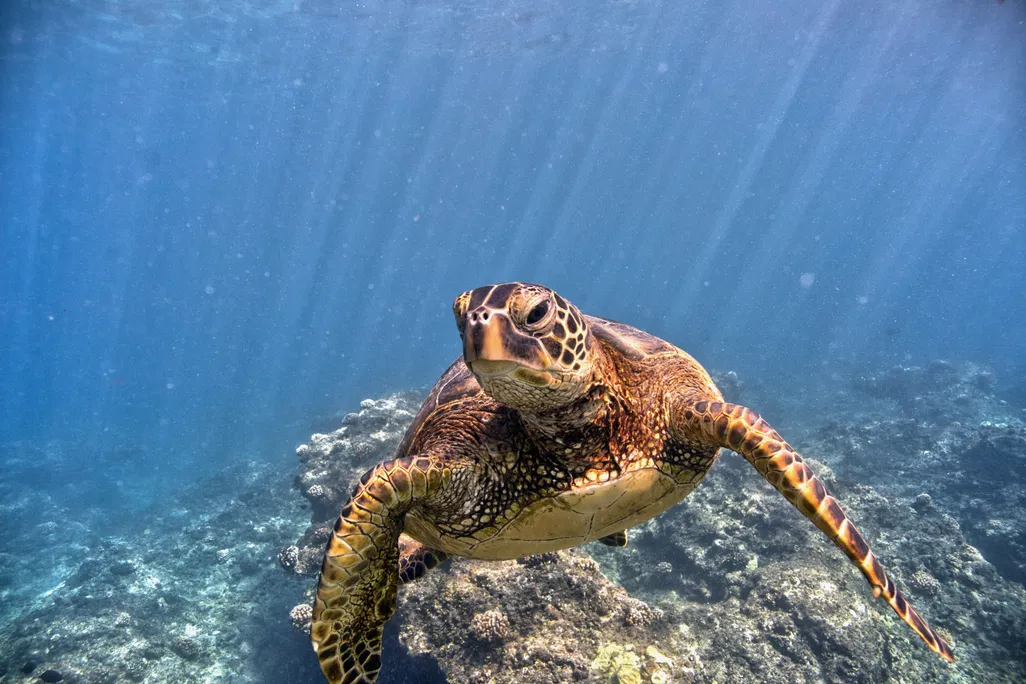
Green sea turtle swimming over a coral reef

Green turtles are the most commonly seen, alongside hawksbill, olive ridley, loggerhead, and the rare leatherback. Turtles use East African beaches for critical nesting, while reef and seagrass habitat supports their foraging, and witnessing a nesting female or watching hatchlings make their run to the ocean is a genuinely moving experience. Snorkeling encounters with foraging turtles happen regularly in good habitat.

Turtle Experiences We Offer
  • Seasonal nesting beach monitoring
  • Conservation managed hatchling releases, when in season
  • Snorkeling with foraging turtles
  • Turtle rehabilitation center visits
  • Conservation education sessions
Best LocationsMafia Island, Zanzibar beaches, Watamu, Diani
Nesting SeasonVaries by location, generally May to August
Conservation StatusEndangered to Critically Endangered depending on species

Manta Rays

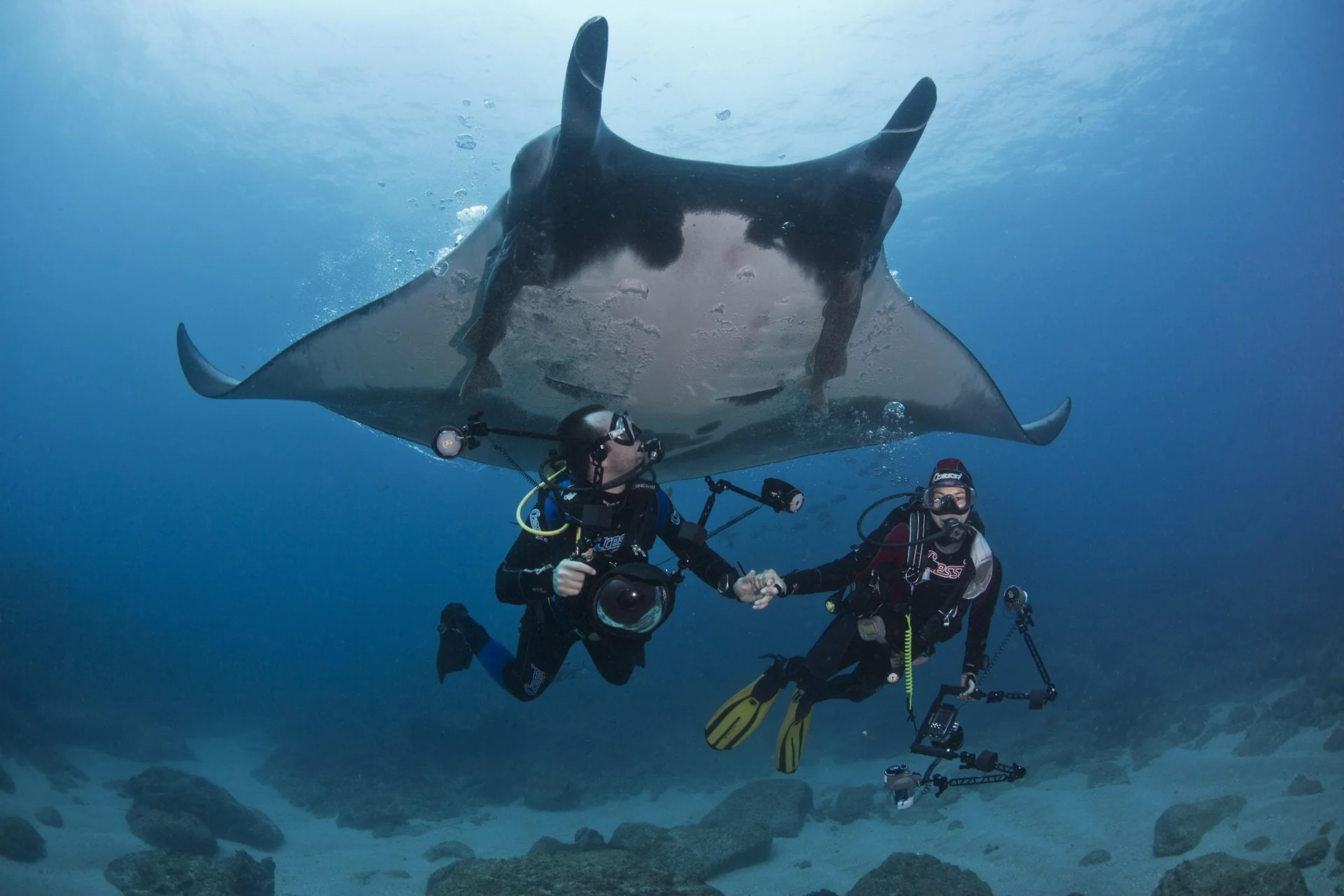
Manta ray at a cleaning station near Mafia Island

Reef manta rays are the coastal species most often seen, with the giant oceanic manta ray an occasional visitor, both reaching a wingspan of 3 to 7 meters. Mantas frequent cleaning stations where small fish remove parasites, and these predictable aggregation sites create reliable encounters. Their graceful swimming and apparent curiosity make the interaction feel genuinely mutual.

Cleaning stations need protection from disturbance, so ethical operators limit numbers and keep a distance that allows natural behavior to continue undisrupted. Photo identification contributions to manta research are a meaningful way to support ongoing conservation.

Best LocationsMafia Island, Zanzibar, northern Kenya
Best SeasonOctober to March
Conservation StatusVulnerable

Dugongs

Dugong dugon Seagrass meadow habitat where dugongs occasionally forage

A marine mammal related to the manatee, occurring sparsely in seagrass beds. Sightings are genuinely rare and depend on local knowledge as much as luck, and the species' vulnerable status makes any encounter feel especially precious rather than routine.

Best LocationsBazaruto Archipelago in Mozambique, accessible via Kenya; northern Kenya, rare
Best SeasonYear round when present
Conservation StatusVulnerable
Underwater Gardens

Coral Reef Diversity

Coral reefs are the ocean's rainforests, supporting exceptional biodiversity within complex three dimensional structures. East African reefs combine spectacular coral diversity with abundant fish life, creating underwater landscapes that rival any global diving destination, and accessible sites with warm water and excellent visibility make them rewarding for snorkelers and divers alike.

Hard Corals

  • Staghorn and table corals, Acropora species
  • Brain corals, Platygyra and Favia species
  • Mushroom corals, Fungia species
  • Lettuce corals, Turbinaria species
  • Porites, the massive boulder corals

Soft Corals

  • Dendronephthya, tree corals in varied colors
  • Leather corals, Sarcophyton species
  • Pulse corals, Xenia species
  • Gorgonian sea fans

Reef Fish Diversity

  • Butterflyfish, over 30 species and a useful indicator of reef health
  • Angelfish, including emperor, regal, and semicircle angelfish
  • Parrotfish, critical reef erosion and sand producing species
  • Surgeonfish, including powder blue and yellow tangs among many others
  • Groupers, including giant, potato, and coral grouper
  • Snappers, including yellowback, blueline, and midnight snapper
  • Triggerfish, including titan, clown, and orange lined triggerfish
  • Wrasses, including Napoleon, bird, and cleaner wrasse
  • Damselfish, including clownfish among numerous other species
  • Moray eels, including giant, honeycomb, and undulated moray
"Coral reef diversity peaks in protected marine parks, where fishing restrictions allow the natural community structure to develop fully. Dawn and dusk dives often bring the most fish activity, and night diving reveals an entirely different set of species, including hunting octopus and sleeping parrotfish."
Where to Base a Marine Trip

Prime Marine Destinations

Strategic destination choice makes a real difference to a marine trip, and the best itineraries often pair two complementary coastal areas rather than settling for just one.

Mafia Island, Tanzania

Whale sharks, diving, pristine reefs. Whale shark season October to March, diving worthwhile year round. Chole Bay reef at Mafia Island Marine Park

Mafia Island is East Africa's premier marine destination. Predictable whale shark aggregations draw specialists, exceptional diving satisfies a wide range of interests, and the island's relative remoteness means a genuinely uncrowded experience compared to busier alternatives.

Key Sites
  • Seasonal whale shark aggregation areas
  • Chole Bay diving and snorkeling
  • Outer reefs with exceptional coral diversity
  • Mangrove channels

Zanzibar, Tanzania

Accessible diving, dolphins, varied marine activities. Rewarding year round. Coral reef at Mnemba Atoll near Zanzibar

Zanzibar offers world class diving at Mnemba Atoll alongside dolphin encounters at Kizimkazi, and its accessibility and infrastructure suit varied budgets and experience levels. Combining marine activities with Zanzibar's cultural attractions makes for a genuinely well rounded stay.

Key Sites
  • Mnemba Atoll, exceptional diving and snorkeling
  • Kizimkazi, dolphin encounters
  • Menai Bay conservation area
  • Tumbatu Island diving

Pemba Island, Tanzania

Advanced diving, pristine reefs, real seclusion. Best October to March. Dramatic coral wall dive site off Pemba Island

Pemba is quieter and more remote than Zanzibar, protecting exceptional reefs including dramatic walls and genuinely challenging drift dives. Strong currents drive spectacular coral growth and frequent pelagic encounters, making Pemba a strong fit for experienced divers looking for more adventurous conditions.

Key Sites
  • Misali Island marine conservation area
  • Fundu Gap, a challenging drift dive
  • Manta Point, seasonal manta aggregations
  • Various wall and deep sites

Watamu, Kenya

Marine national park, sea turtles, seasonal whale sharks. Rewarding year round, with whale sharks possible November to March. Coral reef and turtle habitat at Watamu Marine National Park

Watamu Marine National Park protects Kenya's finest coral reefs alongside critical turtle habitat, and its community based conservation model is a genuine example of balancing protection with sustainable use. Mangrove forest and Mida Creek add further ecosystem diversity to a visit here.

Key Sites
  • Marine National Park reefs
  • Mida Creek mangrove kayaking
  • Seasonal turtle nesting beach monitoring
  • Ocean Village turtle rehabilitation center

Diani Beach, Kenya

Accessible diving, Kisite Mpunguti Marine Park, dolphins. Rewarding year round. Kisite Mpunguti Marine Park near Diani Beach

Diani serves as the base for reaching Kisite Mpunguti Marine National Park, a protected area with exceptional reef diversity and frequent dolphin encounters. Diani's developed infrastructure means comfortable accommodation and easy access alongside the marine experience.

Key Sites
  • Kisite Mpunguti Marine Park day trips
  • Chale Island diving
  • Shimba Hills National Reserve as a terrestrial complement
Getting in the Water

Marine Activities

Snorkeling

No certification required. Best for families, casual observers, and shallow reef exploration.

Ideal Locations

Mnemba, Watamu, Diani, Mafia Island.

Snorkeling needs minimal equipment and training, and shallow reef areas hold exceptional diversity visible right from the surface. A guided tour makes the most of the time in the water while keeping things safe.

Scuba Diving

Certification required, though courses are widely available locally.

Experience Levels

Beginner through technical diving, at all major coastal destinations.

Certification Options
  • Discover Scuba, an introduction
  • Open Water Diver, the entry certification
  • Advanced Open Water
  • Specialty courses, including Nitrox, deep diving, and wreck diving

Boat Based Whale Watching

No requirement beyond boat access. Best season July through November for humpback whales.

Ideal Locations

Zanzibar Channel, Kenya coast.

Responsible whale watching keeps a distance that avoids disturbance, and contributing sighting reports supports ongoing research.

Kayaking and Stand Up Paddleboarding

Basic swimming ability required. Best for calm exploration of mangrove channels and lagoons.

Ideal Locations

Mida Creek, Zanzibar mangroves, protected bays.

Non motorized exploration is a peaceful way to encounter marine life, reaching shallow waters that boats simply cannot access.

Timing Your Visit

Seasonal Marine Wildlife Calendar

October to March

Peak Marine Season

  • Whale shark season at Mafia Island
  • Optimal diving visibility
  • Manta ray aggregations
  • Sea turtle nesting begins in March
  • Calmer seas and ideal conditions overall

April to May

Long Rains Transition

  • Sea turtle nesting continues
  • Noticeably fewer visitors
  • Variable weather
  • Reduced visibility in some areas

The wet season brings real challenges, including reduced visibility and occasional rough seas, but dedicated marine enthusiasts find genuinely excellent value pricing and exclusive experiences, since marine life itself remains abundant year round.

June to October

Dry Season and Whale Migration

  • Humpback whale migration
  • Visibility returning to good conditions
  • Sea turtle nesting continues
  • Southern migration patterns underway

This period combines whale season with recovering visibility, and pairs well with optimal safari conditions inland for a combined trip.

Protecting the Ocean

Marine Conservation

Marine ecosystems face genuinely escalating threats, and understanding both the challenges and the solutions helps visitors appreciate why protection matters as much as it does.

Threats to Marine Biodiversity

  • Overfishing, depleting stocks and disrupting food webs
  • Destructive fishing, including dynamite and poison, damaging reef structures
  • Climate change, causing coral bleaching from rising temperatures
  • Plastic pollution, harming marine life through ingestion and entanglement
  • Coastal development, destroying critical habitat
  • Unsustainable tourism, when activities are poorly managed

Conservation Initiatives

  • Marine protected areas restricting exploitation in critical zones
  • Community conservation engaging local people as genuine stakeholders
  • Turtle protection, monitoring nesting sites and reducing bycatch
  • Coral restoration through active rehabilitation of damaged reefs
  • Sustainable fisheries promoting responsible practices
  • Plastic reduction through beach cleanups and waste management

How You Can Help

  • Choose responsible operators who follow ethical guidelines
  • Avoid touching or standing on coral
  • Use reef safe sunscreen
  • Take part in beach cleanups when the opportunity comes up
  • Support conservation organizations working in the region
  • Report violations you witness
  • Help spread awareness of what you learn

Every marine experience we run contributes through park fees, partnerships with protection organizations, and community benefits, and we can connect interested guests with volunteer opportunities directly.

Marine Questions Answered

Frequently Asked Questions

Do I need diving certification for marine wildlife encounters?

No, many of the most spectacular encounters need only snorkeling ability. Whale shark swimming, dolphin watching, and reef snorkeling all require no certification, though diving certifications are readily available locally through excellent dive centers if you'd like to pursue one.

When is the best time for whale shark encounters?

October through March is peak whale shark season at Mafia Island, with November through February the most reliable window. Individual animal movements still create real variability, so it's worth holding realistic expectations rather than treating a sighting as guaranteed.

How do marine experiences combine with a safari?

Safari and beach combinations are genuinely popular. A 7 to 10 day safari followed by 4 to 7 days on the coast creates a satisfying pacing contrast, and positioning beach time after the safari gives you room to recover and reflect while keeping the overall trip feeling continuous.

Are East African waters safe for swimming and snorkeling?

Generally yes, with the normal precautions you'd take anywhere. Marine parks offer protected, monitored areas well suited to water activities, and following your guide's advice on currents, tides, and marine life keeps things both safe and rewarding.

What marine life can children enjoy safely?

Snorkeling shallow reefs, beach exploration, dolphin boat trips, and tide pool discovery all suit families well. Many children find marine wildlife just as captivating as terrestrial safari animals, and gentle conditions with warm water make for a genuinely comfortable family introduction to the ocean.

How does marine tourism support ocean conservation?

Marine park fees fund protection patrols and management directly. Tourism also demonstrates the ocean's real economic value, giving a concrete incentive for conservation over exploitation, and the employment it creates gives local communities a genuine stake in protection. Awareness built through travel experiences like these tends to create conservation advocates well beyond the trip itself.

Complete Planning FAQ โ†’
Stay Informed

Seasonal Marine Updates

Whale shark presence, humpback timing, and turtle nesting all shift a little each year. Subscribe for seasonal updates on marine conditions across the coastal areas we work in.

Beneath the Waves, a Different Kind of Wild

Begin Your Marine Adventure

Whether you dream of swimming with whale sharks, exploring vibrant coral gardens, or watching humpback whales from the deck of a boat, we design the itinerary around what draws you to the water.

Let's Plan Your Marine Adventure

Tell us your experience level and what draws you to the water, and we will build the itinerary around it.

REQUEST A QUOTE FOR SAFARI

Traveler details

So we know who we are planning for.


Travel dates

On the calendar, pick your arrival date, then your departure date.


Group size

If travelling with children, please note their ages in the message box below.


Design your experience

Select as many as apply; this is how we tailor your itinerary.


Tell us more


Prefer to reach us directly? Email africa@rydersignature.com or message us on WhatsApp at +255 784 759 796.