Kenya's Oldest
Port Town
Vasco da Gama anchored here in 1498 and left a coral stone pillar that still stands on the headland, a thousand year old Swahili trading port that is also one of East Africa's finest deep sea fishing grounds.
A Port That Has Been Trading for a Thousand Years
Kenya's oldest documented coastal town layers medieval Swahili trade, a genuine Portuguese era monument, and an Italian influenced resort strip onto one sheltered bay, alongside deep sea fishing grounds that draw serious anglers from around the world.
The Vasco da Gama Pillar
Erected in 1498 to mark Vasco da Gama's anchorage, this coral stone monument is one of the oldest surviving Portuguese era structures anywhere in Africa.
Internationally Renowned Deep Sea Fishing
Black marlin and sailfish draw serious anglers from around the world between November and April, supported by one of Kenya's oldest sport fishing clubs.
A Thousand Years of Swahili Trading History
Documented since at least the twelfth century and in diplomatic contact with China by 1415, Malindi's Old Town preserves a working Swahili community alongside its historical layers.
Old Town, Reef, and a Quiet North
Malindi's character shifts noticeably between its historic core, its offshore reef, and the quieter, less developed coast to the north.
Where the History Lives
The working harbour, fish market, mosque, and dhow building yard sit within a short walk of each other, a compressed but genuine cross section of a living Swahili coastal town.
The Reef Offshore
Reef directly offshore from the town, its clarity shaped by seasonal turbidity from the Galana River to the north, at its best in the dry season.
The Quiet North
North of town, the Sabaki River mouth and the small Swahili settlement of Mambrui offer a quieter, less developed side of the coast, one of Kenya's finest wader birding sites among them.
What Sets Malindi Apart

The Vasco da Gama Pillar
Standing on the headland where da Gama's fleet anchored in 1498, near contemporary with Columbus's first Atlantic crossing, this coral stone monument is one of Africa's most historically significant surviving Portuguese era structures, and the view along the bay explains why every Indian Ocean maritime power took an interest in this harbour.
 Reef Snorkelling
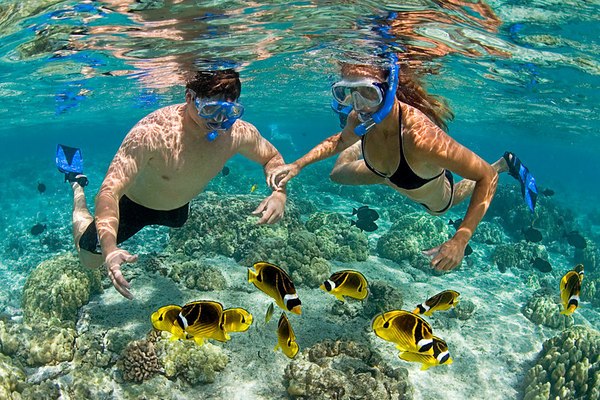
 Malindi Marine National Park Snorkelling
Reef shark, moray eel, grouper, and a good diversity of coral fish are accessible by glass bottomed boat or guided snorkelling from the reef flat, at their clearest during the dry season when Galana River runoff is at its lowest.

Deep Sea Game Fishing
Black marlin from November through April and sailfish peaking January through March have drawn serious anglers here for more than half a century, supported by one of Kenya's oldest sport fishing clubs and an annual international billfish tournament.

Malindi Old Town and Museum
A walk from the museum through the Old Town to the waterfront fish market, past the Jama mosque and the traditional dhow building yard, compresses centuries of Swahili coastal life into a single, genuinely lived in itinerary.

Falconry Kenya
One of East Africa's more unexpected attractions, this collection of African birds of prey, Verreaux's eagle and African fish eagle among them, offers close range demonstrations that engage non birders as readily as dedicated ornithologists.
 Sabaki River Mouth
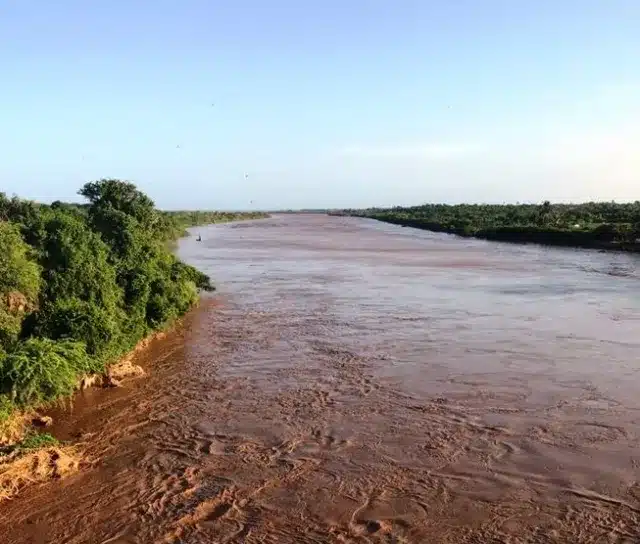
 Sabaki River Mouth Birding
Where the Galana River meets the ocean, roughly eight kilometres north of town, large concentrations of Palearctic and Afrotropical waders, gulls, and terns gather between October and April, greater sand plover and Terek sandpiper among the specialities.
How You'll Spend Your Days
Marine Park and Snorkelling
Excursions depart the waterfront by glass bottomed boat, travelling south to the park’s reef sections for guided snorkelling on the main reef flat and, when clarity allows, the outer reef edge. July through October gives the clearest water, once Galana River turbidity has eased and the trade winds have settled the offshore current. Combining a Malindi and a Watamu marine park visit suits guests spending two or more nights on this stretch of coast.
Deep Sea Fishing
Full day offshore charters from the harbour’s established fleet work the Malindi Bank and the deep water drop off, trolling for billfish and jigging for yellowfin tuna, a tradition of offshore fishing excellence that has drawn specialist anglers to this stretch of coast for more than fifty years.
Cultural Heritage Visits
A sequenced visit covers the Malindi Museum for archaeological context, the Vasco da Gama pillar for the Portuguese era moment, the Jama mosque and Old Town waterfront for living Swahili culture, and the fish market at first light for the working maritime community whose daily rhythms reach back to the pre colonial coast.
Sabaki River Birding
The Sabaki River mouth, about eight kilometres north, rewards a morning on foot along the sandbar and estuary, greater sand plover, Mongolian plover, Terek sandpiper, and gull species uncommon elsewhere on the Kenya coast all findable between October and April.
Mambrui Heritage Visit
Mambrui, a small Swahili town eight kilometres north of Malindi, preserves a traditional pillar tomb within its mosque enclosure and a simplicity Malindi itself has partly lost to resort development, one of the coast’s most authentic and least visited heritage sites.
Reef Clarity or Billfish, Pick Your Priority
Malindi's two strongest windows trade marine park clarity and cultural comfort against the peak of the billfish season.
Peak Season
Jul to Oct (Dry)
The southeast monsoon minimises Galana River turbidity, giving the marine park its clearest water of the year, alongside comfortable beach conditions and the peak of the Sabaki River wader season. This is our primary recommendation for first time visitors wanting the full marine park experience.
Secondary Season
Nov to Apr, Peaking Jan to Mar
The northeast monsoon brings Malindi’s best deep sea fishing, black marlin and sailfish season runs November through April and peaks within this window, alongside excellent Sabaki River birding as Palearctic migrants reach full numbers. Water temperatures are at their warmest, around 28 to 29 degrees Celsius, and beach conditions are calm.
Getting to Malindi
Malindi Airport sits within the town itself, minimising transfer time. It receives daily scheduled domestic flights from Wilson Airport in Nairobi, around one hour, on AirKenya, Fly540, and Safarilink, with connections from Mombasa’s Moi International Airport taking around 30 minutes. Charter flights connect Malindi directly to the Maasai Mara, Amboseli, and the coast’s other airports.
- Malindi AirportWithin the town itself, minimal transfer time
From Mombasa, allow two to two and a half hours north on the A7 coastal highway, crossing Kilifi Creek by ferry or bridge and continuing through Watamu, 15 km south of Malindi. From Watamu itself, the drive north takes around twenty minutes.
“By the time Vasco da Gama anchored here in 1498, Malindi had already been trading with Arabia and India for centuries, and had reportedly sent a live giraffe as far as the Ming court in China decades earlier.”On a Port That Predates Its Most Famous Visitor
Arab geographers were already describing Malindi as a prosperous trading port by the twelfth century, receiving goods from the African interior and dispatching them to Arabia and India for cloth, ceramics, and metal. By the early fifteenth century the town was confident enough in its diplomatic reach to send a delegation, and reportedly a live giraffe, as a gift to the Ming court in China, an episode that speaks to how far Malindi’s trading and political relationships already extended before any European ship reached this coast.
Vasco da Gama’s arrival in 1498 brought Malindi into the European historical record and, through the town’s alliance with Portugal against its regional rival Mombasa, defined its political position for the following century. The coral stone pillar he left behind, and the small Portuguese chapel beside it, remain the physical evidence of that encounter. Malindi’s twentieth century added a further layer entirely, an Italian expatriate and tourist community whose presence dates from the 1970s beach tourism boom, still visible today in the town’s restaurants and the language spoken along its waterfront. Few towns on this coast compress medieval Swahili trade, a documented Portuguese encounter, and a modern Italian resort culture into one place the way Malindi does.
A Reef Shaped by a River as Much as by People
Malindi Marine National Park has been under Kenya Wildlife Service protection since 1968, within the wider Malindi Watamu Marine National Reserve. Unlike Watamu’s reef further south, Malindi’s is shaped as much by a natural process as by protection status, seasonal turbidity from the Galana River affects clarity during high rainfall periods regardless of how well the reef itself is managed, a genuine ecological constraint rather than a conservation failure.
Community fishing management programmes within the reserve zone work with Malindi’s fishing community on sustainable harvesting practices that protect fish populations, and RYDER Signature coordinates only with dive and fishing operators who follow catch and release protocols for billfish species and responsible reef contact guidelines.
Duration and Combinations
Two nights covers a marine park morning, a deep sea fishing charter or a Vasco da Gama cultural morning, an afternoon at Falconry Kenya, and evening time in the Old Town. Three nights adds the Sabaki River birding morning and a Mambrui heritage excursion.
Malindi + Watamu
The definitive northern Kenya coast combination, Malindi's historical depth and deep sea fishing alongside Watamu's superior reef and turtle conservation experiences, most guests spend two nights at each.
Malindi + Lamu
The classic northern Kenya coast cultural circuit, connecting Malindi's Portuguese era heritage with Lamu's perfectly preserved Swahili old town, by daily scheduled flight or by road.
Malindi + Safari (Maasai Mara or Tsavo)
Malindi Airport's domestic connections make the safari to coast transition efficient from either the Maasai Mara or Tsavo.
Travellers Malindi Rewards
History and Heritage Enthusiasts
The Vasco da Gama pillar, the Malindi Museum, and the Old Town offer more concentrated historical interest than anywhere else on the Kenya coast except Lamu.
Deep Sea Fishing Specialists
Malindi's billfish season is internationally recognised, dedicated anglers often plan multi week stays during the January to April peak.
Coastal Combination Travellers
Sitting between Watamu, fifteen kilometres south, and Lamu, a short flight north, Malindi is the natural hub for a northern Kenya coast itinerary.
What to Pack
Clothing
- Lightweight, breathable natural fabrics, the coastal climate is warm and humid year round
- Modest clothing for Old Town visits, covered shoulders and knees, this is a working Muslim community
Fishing Gear
- Personal rods and reels for serious anglers, charter operators provide equipment but specialist gear is always preferable
Health
- DEET based insect repellent and antimalarial prophylaxis, Malindi carries a year round malaria risk
Malindi FAQ
Its deep sea game fishing, the Vasco da Gama pillar, one of the oldest Portuguese monuments in Africa, Malindi Marine National Park snorkelling, and a layered Swahili and Portuguese historical heritage found almost nowhere else on this coast.
Black marlin and sailfish run November through April and peak January through March. Wahoo and yellowfin tuna are available year round with the strongest runs in the dry season months.
Fifteen kilometres north by road, around twenty minutes. The two towns are naturally combined in a northern Kenya coast itinerary.
Malindi’s reef clarity is generally lower than Watamu’s due to Galana River turbidity, though conditions can be excellent during the July to October dry season. For dedicated snorkelling, Watamu is typically the stronger choice, for historical heritage and fishing, Malindi is superior.
By daily scheduled domestic flight from Wilson Airport, around one hour, or by road via Mombasa, around six to seven hours.
Yes, year round. Antimalarial prophylaxis and DEET based insect repellent are recommended.
Begin Planning Your Malindi Coast Extension
Every Malindi itinerary we design pairs its historical depth with the deep sea fishing and marine park time that make this coast worth staying for.