โ˜…โ˜…โ˜…โ˜…โ˜… Excellent โ€” TripAdvisor & Google

Try: Serengeti ยท Kilimanjaro Lemosho ยท Zanzibar ยท Family Safari

-->
Birding

The East Africa Birding Guide

Tanzania and Kenya together protect over 1,400 recorded bird species, from secretary birds striding across open plains to flamingo flocks that turn entire lakes pink. Here is how to find them.

One of the World's Premier Birding Destinations

A Guide for Serious Birders and Curious Newcomers Alike

East Africa's avian diversity reflects its habitat variety, savanna, wetland, montane forest, coastline, and alpine zone, each supporting its own specialized bird community. Seasonal Palearctic migrants arriving from Europe and Asia add to resident populations, and a genuine handful of endemic and near endemic species make this region essential for birders chasing range restricted specialties.

You do not need to be an expert to enjoy it. Spectacular, unmistakable species like secretary birds, flamingos, and lilac breasted rollers reward casual observers just as much as serious listers, and our guides adjust the depth of what they share to match your interest, from basic identification to genuinely nuanced behavioral detail.
Exceptional Diversity Across Varied Habitats

Why East Africa Ranks Among the World's Premier Birding Destinations

Habitat variety spanning sea level to the 5,895 meter summit of Kilimanjaro creates an elevation gradient that supports specialized birdlife throughout, and the region's position where Afrotropical and Palearctic zones meet produces exceptional diversity between residents and seasonal migrants.

~1,150

Species recorded in Tanzania

~1,136

Species recorded in Kenya

1,400+

Combined species across both countries

300+

Species possible in a single day at top locations

Endemic and Near Endemic Species

Tanzania's Eastern Arc Mountains hold an exceptional concentration of endemics, including the Usambara eagle owl and Udzungwa partridge. Kenya's Arabuko Sokoke Forest protects Clarke's weaver and the Sokoke scops owl among its forest specialists, and highland endemics such as the Aberdare cisticola and Jackson's francolin require specific elevations reachable only through deliberate planning.

Palearctic Migrants

Northern hemisphere winter brings a substantial influx of Palearctic migrants escaping European and Asian cold. From November through March, swallows, warblers, raptors, and many other species join resident populations, and watching familiar European birds in an African setting is part of what makes this season genuinely fascinating for visiting birders.

Different Habitats, Different Bird Communities

Habitat Specific Birding

Understanding habitat associations is the fastest way to target specific species, since each ecosystem supports a genuinely distinct bird community.

Secretary bird walking across the Serengeti plains

Savanna Grasslands

Serengeti, Maasai Mara, Tarangire
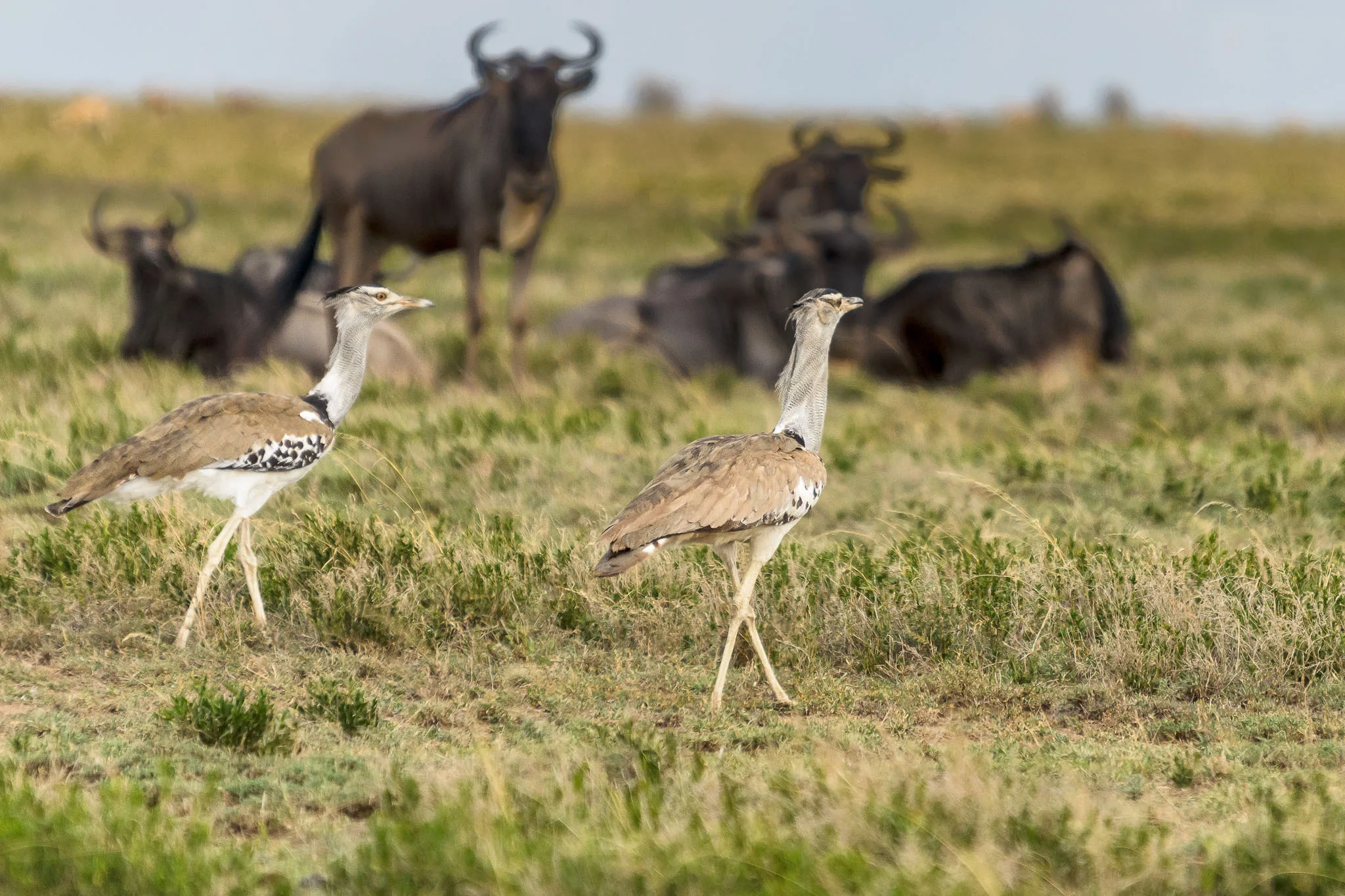
  • Secretary bird, kori bustard, ostrich
  • Yellow throated sandgrouse, Fischer's lovebird
  • Rufous tailed weaver

Open terrain gives excellent visibility for ground dwelling species and soaring raptors alike. Mixed herds of mammals attract cattle egrets and oxpeckers, and scattered acacia trees serve as favored raptor perches.

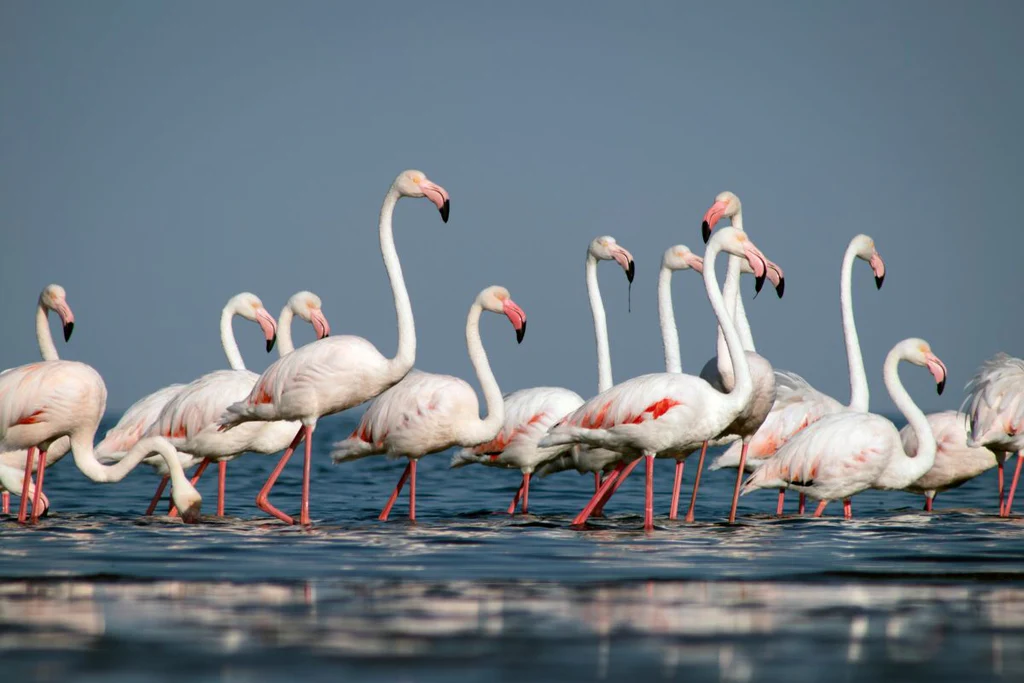
Lesser flamingo flock on an alkaline lake

Wetlands and Lakes

Lake Manyara, Lake Nakuru, Ngorongoro Crater, Amboseli
  • Lesser and greater flamingo, African fish eagle
  • Goliath heron, saddle billed stork
  • African spoonbill, malachite kingfisher

Wetland edges concentrate exceptional diversity among waterbirds, waders, and waterfowl, and species present shift with the seasons as migration timing and water levels change. Lake Manyara and Lake Nakuru can host millions of lesser flamingos, creating pink masses visible from miles away, though numbers fluctuate with water chemistry and food availability from one visit to the next.

Hartlaub's turaco perched in montane forest canopy

Montane Forests

Arusha National Park, Kilimanjaro, Mount Kenya, Aberdare, Ngorongoro Highlands
  • Hartlaub's turaco, silvery cheeked hornbill
  • Bar tailed trogon, mountain buzzard
  • Tacazze sunbird, various greenbuls

Forest birding rewards patience and good ears, since dense canopy conceals as much as it reveals. Mixed species flocks moving through the mid story offer concentrated viewing, and the dawn chorus produces the most vocal activity to aid identification. The Eastern Arc ranges, including the Udzungwa and Usambara Mountains, hold endemics found nowhere else, though reaching them usually means a dedicated birding itinerary beyond a typical safari circuit.

Mangrove kingfisher perched near the Kenya coast

Coastal and Marine Habitats

Zanzibar, Mafia, the Kenya coast, mangrove systems
  • Mangrove kingfisher, crab plover
  • Greater and lesser crested tern
  • Fischer's turaco, various waders and seabirds

Coastal habitats support a completely different set of species from anywhere inland. Mangrove forest, tidal mudflat, and coral island each hold their own specialized community, and combining coastal birding with time in the water makes for a genuinely well rounded trip.

Red and yellow barbet perched on a woodland branch

Woodland and Bush

Tarangire, Ruaha, Tsavo
  • Red and yellow barbet, ashy starling
  • Yellow collared lovebird, various hornbills
  • Mousebirds, go away birds

Woodland supports the highest overall diversity of any single habitat type across many parks. Fruiting trees draw concentrations of barbets, hornbills, and starlings, and mixed vegetation provides strong general birding to complement the habitat specialists found here.

Timing Shapes What You See

Seasonal Birding Considerations

Wet Season Birding

November through May.

Advantages
  • Palearctic migrants at their peak, November through March
  • Breeding plumage and breeding behavior on display
  • Abundant food creating concentrations of birds
  • Lush, flowering vegetation and reduced dust improving visibility
Species Highlights

European bee eaters, rollers, and cuckoos; weavers actively building nests; intra African migrants like the white stork; and raptors on active nests.

Considerations

Dense vegetation can obscure birds and rain can quiet activity, though dedicated birders often prefer this season for peak diversity, breeding behavior, and noticeably fewer general tourists.

Dry Season Birding

June through October.

Advantages
  • Reduced vegetation improving visibility
  • Water concentration reliably drawing in species
  • Excellent pairing with general safari wildlife viewing
  • Reliable weather and easier access throughout the parks
Species Highlights

Waterbirds concentrated at shrinking water sources, raptors hunting concentrated prey, and resident species generally easier to spot.

Considerations

Palearctic migrants are absent, which reduces overall diversity, but reliable conditions and strong general wildlife viewing make this season popular for a combined trip.

Migration Timing

November to DecemberPalearctic migrants arriving
December to FebruaryPeak migrant presence
March to AprilMigrants departing northward
Intra African movementsVarious species shift within the region following the rains
Where to Base a Birding Safari

Priority Birding Destinations

Strategic destination selection makes the biggest difference to a birding trip's success, and a well built itinerary usually combines more than one of the following.

Serengeti National Park, Tanzania

500+ species recorded, best season year round with November through March strongest for migrants Secretary bird and kori bustard on the Serengeti plains

Vast open plains create ideal conditions for spotting ground dwelling species and soaring raptors alike, kopjes host breeding raptors and rock loving specialists, and riverine zones add woodland species on top of the grassland diversity. Target species include kori bustard, secretary bird, Fischer's lovebird, grey breasted spurfowl, and rufous tailed weaver.

Lake Manyara National Park, Tanzania

400+ species recorded, best season November through March for peak diversity Flamingos and waterbirds at Lake Manyara

A compact park that concentrates exceptional diversity: groundwater forest near the entrance supports montane species, the lakeshore hosts waterbirds and seasonal flamingos, and the escarpment adds raptors including the African hawk eagle. Target species include lesser flamingo, silvery cheeked hornbill, crowned hornbill, Schalow's turaco, and Verreaux's eagle.

Tarangire National Park, Tanzania

550+ species recorded, best season June through October for dry season concentrations Ashy starling in Tarangire baobab woodland

Home to the ashy starling, a near endemic found nowhere else on a typical safari circuit. Baobab woodland and riverine forest create varied habitat, and raptor density is high, including martial eagle and bateleur. Target species include ashy starling, red and yellow barbet, yellow collared lovebird, northern pied babbler, and Donaldson Smith's nightjar.

Lake Nakuru National Park, Kenya

450+ species recorded, rewarding year round Flamingos and pelicans at Lake Nakuru

Historically home to millions of flamingos, though numbers fluctuate with water conditions from year to year. Surrounding woodland supports diverse passerines, and the park's compact size allows thorough coverage in a short visit. Target species include both flamingo species, African fish eagle, Verreaux's eagle owl, white backed vulture, and martial eagle.

Maasai Mara National Reserve, Kenya

500+ species recorded, best for migrants November through March and general wildlife July through October Grassland birds in the Maasai Mara

Rolling grassland ecology mirrors the Serengeti and supports similar birdlife, with riverine forest and wetland adding further diversity. The Mara also serves as a critical migration corridor for soaring raptors, creating genuinely spectacular concentrations at the right time of year. Target species include secretary bird, kori bustard, Jackson's widowbird, red throated tit, and rosy throated longclaw.

Arabuko Sokoke Forest, Kenya Coast

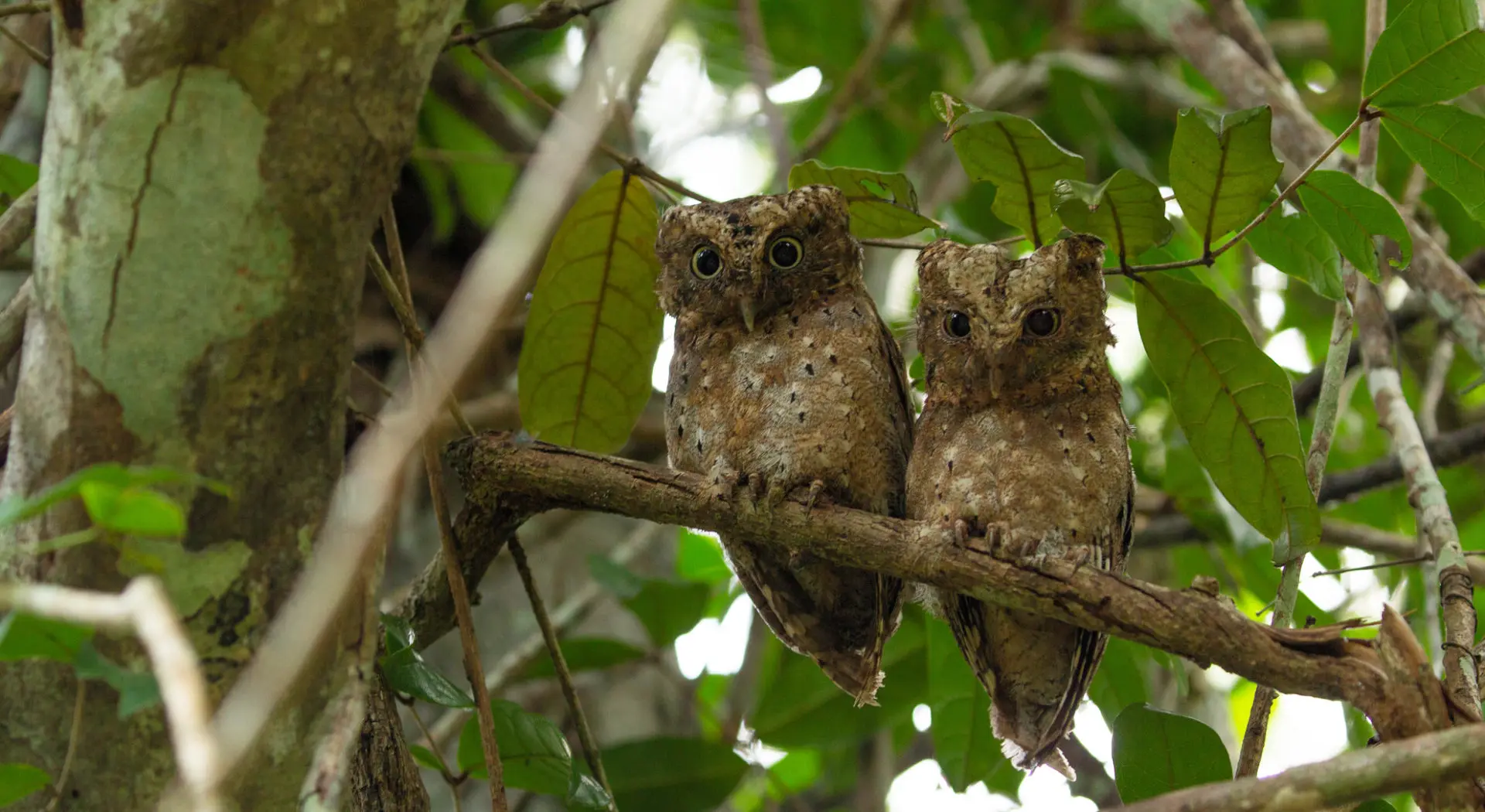
260+ species recorded, rewarding year round Sokoke scops owl in Arabuko Sokoke Forest

This coastal forest protects exceptional endemics and near endemics unavailable anywhere else, and birding here is specialized, aimed squarely at specific range restricted species. Combining a stay here with coastal relaxation makes for a well paced trip. Target species include Clarke's weaver, Sokoke scops owl, East Coast akalat, Sokoke pipit, and Amani sunbird.

Birds of Prey

Raptor Diversity

East Africa protects an exceptional range of raptors, from massive vultures to tiny falcons, and dedicated raptor watching is a rewarding specialty within the broader hobby.

Vultures

  • White backed vulture, the most common
  • Ruppell's griffon vulture
  • Lappet faced vulture, the largest
  • White headed vulture, hooded vulture
  • Egyptian vulture (a migrant)

Vultures concentrate at large mammal carcasses, and a soaring kettle of vultures often leads directly to a predator kill. Declining populations make sightings increasingly precious, connecting every observation to a real conservation story.

Eagles

  • African fish eagle, common near water
  • Martial eagle, Africa's largest
  • Tawny eagle, Verreaux's eagle
  • Long crested eagle, African hawk eagle

Size, plumage pattern, habitat preference, and behavior all help with identification, and eagles frequently perch prominently, giving extended time for a careful look. Our guides handle the trickier identifications.

Kites, Buzzards, and Hawks

Numerous medium sized raptors occur across varied habitats. Black kites scavenge near human settlement, augur buzzards patrol open grassland, and migrant steppe buzzards add to resident numbers seasonally.

Wetland Avifauna

Waterbird Diversity

East Africa's lakes, rivers, and wetlands support spectacular diversity, from diminutive kingfishers to massive pelicans, and wetland birding often produces the highest daily species counts of any habitat.

Herons, Egrets, and Bitterns

  • Goliath heron, the world's largest heron
  • Grey heron, black headed heron
  • Great egret, little egret, cattle egret
  • Squacco heron, various night herons

Storks and Ibises

  • Saddle billed stork, Africa's tallest
  • Yellow billed stork, marabou stork
  • White stork (a Palearctic migrant)
  • African sacred ibis, hadada ibis, glossy ibis

Kingfishers

  • Giant kingfisher, pied kingfisher
  • Malachite kingfisher, a genuine jewel
  • Woodland kingfisher, grey headed kingfisher
  • Mangrove kingfisher, a coastal specialist

Flamingos

Lesser and greater flamingo create pink spectacles at alkaline lakes. Populations fluctuate dramatically with water chemistry and food availability, and witnessing a flock in the hundreds of thousands ranks among the most memorable sights in birding.

Range Restricted Specialties

Endemic and Near Endemic Species

Endemic species drive dedicated itineraries for serious life list builders, and reaching most of them requires deliberate planning beyond a standard safari circuit.

Usambara Eagle OwlTanzania, found only in the Usambara Mountains
Udzungwa PartridgeTanzania, found only in the Udzungwa Mountains
Rufous Winged SunbirdTanzania, Southern Highlands
Ashy StarlingCentral Tanzania, accessible from Tarangire
Yellow Collared LovebirdSouthern Tanzania
Clarke's WeaverKenya, Arabuko Sokoke Forest
Sokoke Scops OwlKenya, Arabuko Sokoke Forest
Hinde's BabblerCentral Kenya
Sharpe's LongclawKenya Highlands
Williams' LarkCentral Kenya
Fischer's LovebirdNear endemic, northern Tanzania
Grey Crested Helmet ShrikeNear endemic, the Kenya and Tanzania border region
Taveta Golden WeaverNear endemic, southeast Kenya and northeast Tanzania
Red Throated TitNear endemic, northern Kenya
Matching the Trip to the Traveler

Birding Safari Styles

Dedicated Birding Safaris

Duration: typically 10 to 21 days.

Focus

Maximizing species counts and targeting endemics.

Pace

Extended stays that allow thorough coverage, with early starts and full day birding.

Guides

Specialist bird guides with comprehensive knowledge, suited to serious birders seeking specific target species.

Birding and Wildlife Combination

Duration: typically 7 to 14 days.

Focus

Balancing birding with general wildlife viewing.

Pace

Moderate, with mornings emphasizing birding when activity peaks and midday through afternoon focused on mammals.

Guides

Generalist guides with solid bird knowledge, suited to birders traveling with non birding companions.

Casual Birding Enhancement

Duration: any safari length.

Focus

Appreciating spectacular species without the pressure of a dedicated list.

Pace

Relaxed and opportunistic.

Guides

General guides who highlight remarkable birds during ordinary game drives, giving enough identification to enhance appreciation without overwhelming a casual observer.

Getting Ready

Birding Equipment and Preparation

Optical Equipment

  • Binoculars: 8x42 or 10x42 is generally recommended for birding
  • A spotting scope, valuable for distant waterbirds and raptors, though optional
  • A camera with a telephoto lens of 400mm or longer for serious bird photography

Field Guides

Widely Used References

  • Birds of East Africa, by Stevenson and Fanshawe
  • Birds of Kenya and Northern Tanzania, by Zimmerman and colleagues
  • Field Guide to the Birds of Tanzania, by Neil and Elizabeth Baker

Digital Resources

  • The Merlin Bird ID app
  • eBird, for species lists and recent sighting locations

Recording Equipment

A voice recorder or smartphone app that captures bird song is genuinely useful for later identification. Recordings also help guides pin down challenging species by voice, and building a personal sound library improves your own identification skills over time.

Preparation

Familiarizing yourself with common East African bird families before you travel improves field identification considerably, and understanding habitat associations helps predict which species you are likely to encounter where. Some birding locations involve hiking or extended standing, so basic fitness helps, and montane destinations in particular benefit from a bit of altitude acclimatization.

How Birding Supports Protection

Conservation and Birding

The Economic Value of Birding Tourism

Birding tourism generates real revenue for parks and communities, and demonstrating that living birds have measurable economic value is a genuinely powerful conservation incentive. Endemic species in particular attract international visitors, creating location specific benefits that encourage habitat protection.

Threats Facing East African Birds

Habitat loss from agricultural expansion, deforestation, and wetland drainage; climate change altering rainfall patterns that affect breeding and migration; invasive species competing with or preying on native birds; pesticides reducing the insect populations that insectivorous species depend on; and hunting pressure on some species from trapping.

Conservation Success Stories

Expanding protected area networks, community conservancies that create genuine buffer zones for both birds and people, focused protection efforts for range restricted endemics, and long term monitoring programs that track population trends over time.

Supporting Conservation Through Birding

Every birding safari contributes through park fees, employment for local guides, and our own conservation partnerships. We help connect guests with organizations protecting specific habitats or species, and citizen science contributions through eBird feed directly into global monitoring efforts.

Birding Questions Answered

Frequently Asked Questions

How many bird species can I expect to see on a 10 day birding safari?

Dedicated birders with experienced guides typically record 300 to 450 species over 10 to 14 days across varied habitats. Counts vary with season, habitat coverage, effort, and a fair amount of luck, and November through March generally produces the highest totals as Palearctic migrants join residents.

Do I need to be an expert birder to enjoy East African bird watching?

Not at all. Spectacular species like secretary birds, flamingos, and colorful bee eaters captivate observers regardless of experience, and our guides adjust what they share to your level, from basic identification for beginners to nuanced behavioral detail for experts.

What is the best season for a birding safari?

November through March offers peak diversity, with Palearctic migrants, breeding activity, and lush conditions. Dry season, June through October, offers excellent resident birding with better visibility. The right timing really depends on whether you are chasing maximum diversity or optimal viewing conditions.

Can we combine birding with a traditional Big Five safari?

Yes. A balanced itinerary emphasizing morning birding with midday and afternoon mammal viewing suits most travelers well, and many of the best birding locations, including the Serengeti and Tarangire, also support spectacular mammal populations.

How important are endemic species for East African birding?

For serious listers, the endemics are essential targets. For everyone else, the region offers exceptional birding well beyond endemics, including massive concentrations like flamingo flocks and plenty of genuinely rare species. How much emphasis to put on endemics really comes down to your own priorities.

What equipment is essential for a birding safari?

Quality binoculars, 8x42 or 10x42, are the one essential. Field guides, a notebook, and a camera all enhance the experience, and a spotting scope helps with waterbirds specifically, though it isn't mandatory. Our guides help with identification regardless of what equipment you bring.

Complete Planning FAQ โ†’
Stay Informed

Seasonal Birding Updates

Migrant arrivals, flamingo movements, and breeding activity shift a little each year. Subscribe for seasonal updates on what is being seen where, across the parks we work in.

Find the Species That Matter Most to You

Begin Your Birding Adventure

Whether you are chasing range restricted endemics, building a life list, or simply want to appreciate spectacular birds alongside traditional safari wildlife, we design the itinerary around your priorities.

Let's Plan Your Birding Safari

Tell us your target species, timing, and experience level, and we will build the itinerary around it.

REQUEST A QUOTE FOR SAFARI

Traveler details

So we know who we are planning for.


Travel dates

On the calendar, pick your arrival date, then your departure date.


Group size

If travelling with children, please note their ages in the message box below.


Design your experience

Select as many as apply; this is how we tailor your itinerary.


Tell us more


Prefer to reach us directly? Email africa@rydersignature.com or message us on WhatsApp at +255 784 759 796.