The question of northern Serengeti vs southern Serengeti comes up for almost every traveller planning more than a few days in the park, and the honest answer is that the two zones are close to opposite experiences wearing the same name. They sit roughly 150 kilometres apart, they peak in different months, and a camp booked in the wrong one for your travel dates can mean the difference between watching a river crossing and watching an empty plain. This guide sets out what separates them so the choice is a deliberate one rather than a guess.
Where Each Zone Actually Sits
The southern Serengeti is the section nearest the Ngorongoro Conservation Area,reached through Naabi Hill Gate on the main road in from Arusha. It covers the short-grass plains around Ndutu and the Gol Kopjes, technically split between the national park itself and the neighbouring conservation area, though the wildlife moves across that administrative line without noticing it. The northern Serengeti sits at the opposite end of the park, hard against the Kenyan border, centred on Kogatende and the Lamai Wedge, with Lobo and Klein’s Camp marking its southern edge before the land drops into the central Seronera area. Getting between the two by road takes the better part of a day; most visitors combining both fly between them instead.
The Southern Serengeti: Calving Ground and Open Plains
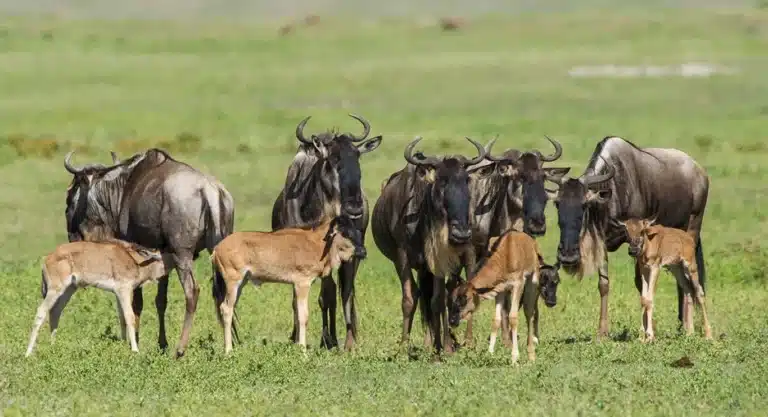
The southern plains exist for one event above all others. Between roughly late December and March, close to two million wildebeest, along with large numbers of zebra, gather on the short grass around Ndutu and the Gol Kopjes to give birth. Estimates put the number of calves born in this window at around half a million, with peak births concentrated in a few weeks in February. The grass here is short because the volcanic soil, fed by ash from Ngorongoro’s Ol Doinyo Lengai, supports nutrient-rich grazing rather than tall cover, which is exactly why the herds choose it and exactly why predators find hunting so productive during calving. The Gol Kopjes, a set of granite outcrops east of Ndutu, hold one of the highest concentrations of cheetah anywhere in Africa, using the open ground and termite mounds as vantage points to hunt gazelle and newborn wildebeest in daylight. Outside the calving window, from around June onward, the southern plains empty as the herds move north, leaving a quieter landscape with resident lion prides but far less of the drama that draws people to this end of the park in the first place.

The Northern Serengeti: Mara River and Remoteness
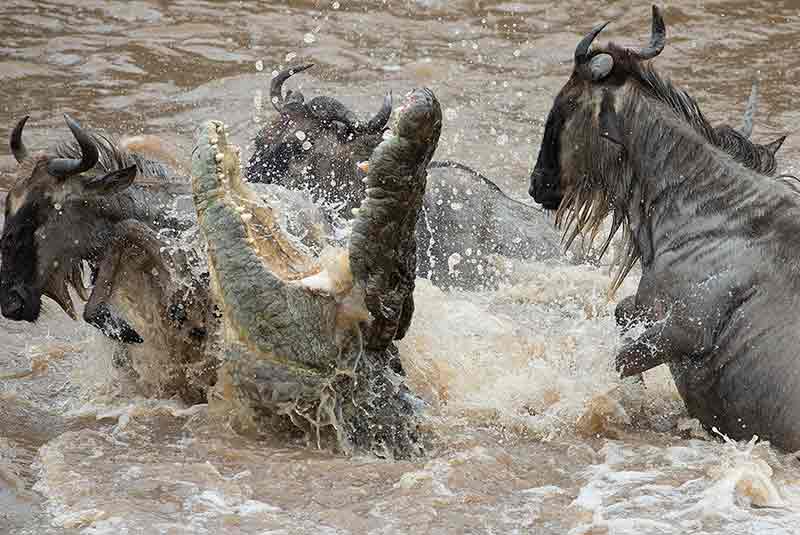
The northern Serengeti is built around a single natural obstacle: the Mara River, which the migrating herds must cross to reach the fresh grazing of Kenya’s Masai Mara and then cross again on the return journey south. The main crossing points cluster around Kogatende and the Lamai Wedge, a finger of Serengeti land that pokes north of the river itself, with the crossings typically running from July through October, though the exact dates shift with the rains each year and cannot be scheduled with certainty. Unlike the calving season, which happens somewhere on the southern plains every single day for weeks, a river crossing is a discrete event that may occur once or twice a day for a period, or not at all for several days if the herds are undecided about approaching the water. Vast, crocodile-holding stretches of the Mara run through this section, and the crossings themselves, with animals leaping from steep banks into fast water while Nile crocodiles wait below, are what most people picture when they imagine the Great Migration. The northern zone is also simply harder to reach. Roads are rougher, the Kogatende and Lamai airstrips see fewer scheduled flights than Seronera, and camps here operate seasonally, many closing outside the July to October window because there is little resident wildlife draw to justify staying open.
Wildlife Density Outside the Migration Events
Neither zone holds resident wildlife in the way the central Seronera area does, where permanent water keeps lion, leopard and elephant present all year. The southern plains have some resident lion prides around Ndutu and the Moru Kopjes further north, plus a genuinely strong year-round cheetah population, but general game density outside the December to March calving window drops noticeably. The northern Serengeti has resident lion prides in the Lamai Wedge and around Lobo, along with good leopard sightings in the riverine forest lining the Mara, but between crossing events the northern plains can feel comparatively quiet, since much of what draws people there is tied directly to the migrating herds rather than to permanent residents.

Access, Travel Time and Cost From Arusha
The southern Serengeti is the more accessible of the two by a wide margin. Ndutu sits close to the Ngorongoro Crater rim, meaning it is commonly combined with a crater visit on the same road circuit from Arusha, roughly four to five hours of driving depending on road conditions and stops. The northern Serengeti almost always requires flying. Kogatende and Lamai airstrips receive daily scheduled flights from Arusha and the Seronera hub, typically an hour to ninety minutes in the air, but driving the full length of the park to reach them from the south adds six hours or more on rough roads and is rarely done in a single day.This difference in access is reflected directly in cost: a northern Serengeti stay during the July to October crossing season, factoring in flights, tends to run noticeably higher per night than an equivalent southern plains stay in calving season, partly because of the flying and partly because northern camps are smaller, more exclusive, and command premium peak-season rates.
Crowds and the Vehicle Experience
Both zones draw crowds, but at different points and in different ways. The southern plains around Ndutu are busiest during peak calving weeks in late January and February, when vehicles cluster around active predator sightings, though the open terrain means sightings are usually visible from a distance even with several vehicles present. The northern Serengeti’s crowding is more concentrated: during a confirmed river crossing at Kogatende in August or September, dozens of vehicles can line the banks at the most reliable crossing points, and the wait for a crossing to actually happen can run to hours. Camps positioned with private access to specific stretches of riverbank, rather than relying on the public viewing areas, generally offer a materially different experience during peak crossing weeks.
Which Zone Fits a December 2026 or 2027 Trip
For travellers planning around December 2026 through the early months of 2027, the southern Serengeti is the natural choice. The short rains typically arrive in November, prompting the herds to move south out of the northern Serengeti and back toward the Ndutu plains, with the first calves usually appearing before Christmas and the main calving push building through January and February 2027. A December departure lands right at the start of this window, meaning early arrivals and building predator activity rather than the absolute peak, which is a reasonable trade against the lower crowds and lighter rates December in the south tends to carry compared with the frantic booking pressure of peak February. The northern Serengeti in December, by contrast, is largely empty of both migrating herds and open camps, since the crossing season finished months earlier and most camps in that zone have already closed for the year.
How Long to Stay in Each Zone
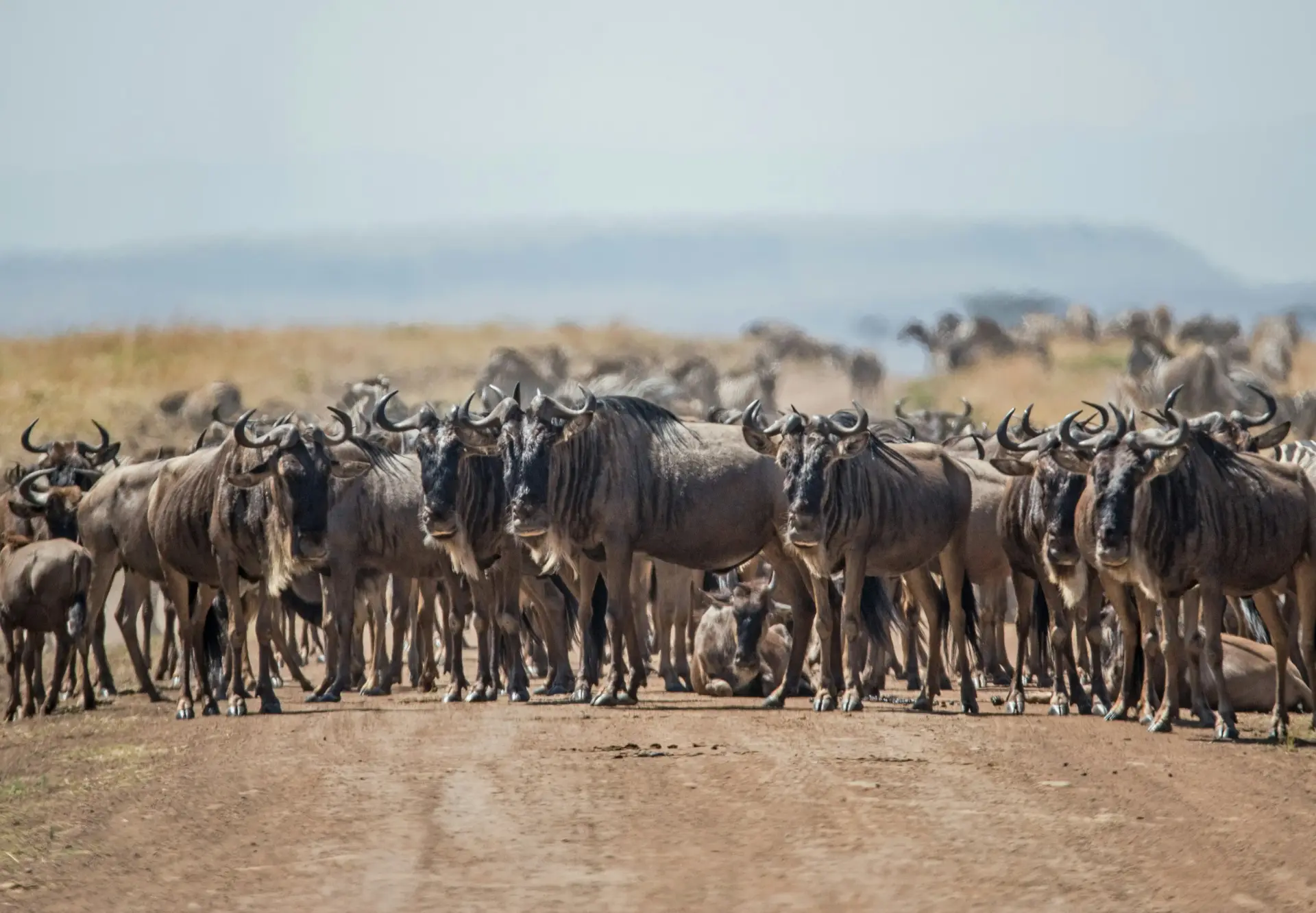
Three nights is generally treated as the minimum to give either zone a fair chance, since a single afternoon on the southern plains or a single morning at Kogatende is rarely enough to see a genuine highlight, and both areas reward patience over a rushed itinerary. For the southern plains during calving season, three to four nights allows time for both the wide-open predator action around Ndutu and a side trip to the Gol Kopjes for cheetah, without needing to move camp. For the northern Serengeti during crossing season, four nights is closer to the realistic minimum, since crossings are unpredictable by nature and a shorter stay carries a genuine risk of leaving without seeing one at all, however good the resident wildlife around Lobo and the Lamai Wedge might be in the meantime.
Landscape and Photography Differences
The two zones photograph in noticeably different ways. The southern plains are flat and open almost to the horizon, broken only by the granite kopjes rising out of the grass, which gives wide-angle images of herds against big skies and dramatic storm light, particularly in the late afternoon as rain builds over Ngorongoro to the east. The light on the Ndutu plains during calving season is also unusually good for action photography, since newborn wildebeest and the predators hunting them are active through the middle of the day rather than only at dawn and dusk, a rarity on safari. The northern Serengeti is a more textured landscape: riverine forest lines the Mara, the land around Lamai and Kogatende rolls into low hills rather than staying flat, and the river crossings themselves demand a different photographic approach entirely, with long lenses, a fast shutter and a considerable amount of patience needed to capture the moment animals commit to the water rather than pace the bank and turn back.
Weather and What to Expect on the Ground
Temperatures across both zones follow the same broad Tanzanian dry season and rainy season pattern, but the practical experience differs. The southern plains during calving season, from roughly December through March, sit within the short rains and the start of the long rains, meaning afternoon showers are common and some camps use raised walkways or accept that certain tracks become impassable after heavy rain, though mornings are usually clear. The northern Serengeti during the July to October crossing season sits firmly in the dry season, with dust rather than mud the main practical concern, clear skies for most of the day, and cooler mornings that make an early departure to the riverbank considerably more comfortable than a January game drive on the southern plains.
Combining Both in a Single Safari
Visitors with eight days or more, and a willingness to fly rather than drive the full length of the park, can combine both zones on a single itinerary, most commonly built around the central Seronera area as a base with excursions or repositioning flights to whichever zone matches the calendar. Doing this well means accepting that the two halves of the trip will look and feel different: open plains and newborn wildlife in the south, dense riverine bush and the tension of a pending crossing in the north. Attempting to see both zones properly in under a week usually means sacrificing enough time in each that neither delivers what made it worth visiting in the first place, so the choice between north and south is often better framed as a choice about how much time is genuinely available rather than which zone is objectively better.