Three days in the Serengeti is enough time for a genuinely satisfying safari, provided the itinerary is built around a single zone rather than an attempt to cover the whole park. Most three day trips fly in and out of Seronera airstrip in central Serengeti, spend two full nights on the ground, and structure the visit around four game drives: an arrival afternoon drive, a full second day split into dawn and dusk sessions, and a final morning drive before the return flight. What follows sets out what that structure actually delivers, where it falls short, and how to get the most out of a stay this short.
Why Central Serengeti Is the Right Base for Three Days
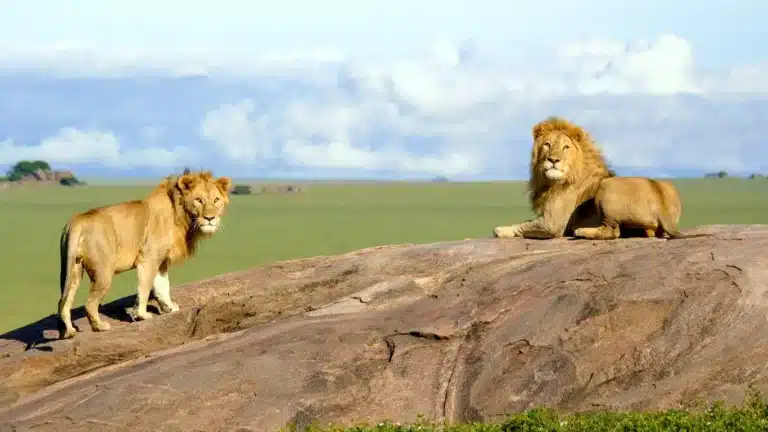
Seronera sits at the heart of the park and holds resident wildlife year round, independent of where the migratory herds happen to be. This matters enormously for a three day trip, because it removes the single biggest risk of a short Serengeti visit: arriving in the wrong zone for the season and finding the plains largely empty. The Seronera Valley and the riverine woodland that follows the Seronera River hold some of the highest lion densities anywhere in the park, along with consistent leopard sightings along the tree lines and reliable cheetah activity on the more open ground to the south and east. A three day trip based here is not a compromise version of a longer safari; it is the itinerary most experienced guides would build anyway if migration timing were not a factor.
Getting There: Fly In or Drive
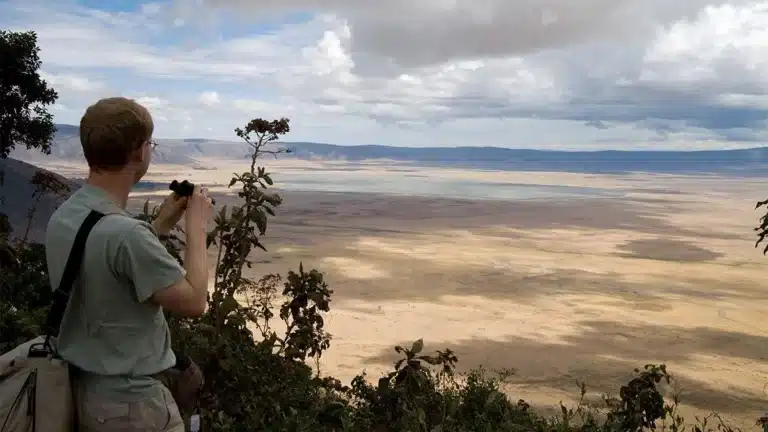
Two realistic options exist for reaching central Serengeti in three days, and the choice affects how much of those three days is actually spent looking at wildlife. Flying from Arusha or Kilimanjaro International Airport to Seronera airstrip takes roughly an hour on a light aircraft, typically seating between fifteen and forty passengers depending on the operator and the day’s bookings. Baggage on these flights is restricted to around fifteen kilograms per person in a soft sided bag, which is a real planning constraint for anyone used to packing for a longer trip. Driving from Arusha covers the same distance in five to six hours by road, descending through the Ngorongoro Highlands and often stopping at the crater rim viewpoint along the way. For a three day trip specifically, flying is the better choice for most travellers, since a six hour drive each way on a three day itinerary consumes a third or more of the total time available on transport rather than game viewing.

Day One: Arrival and First Game Drive
Flights from Arusha typically land at Seronera airstrip in the late morning, where a driver guide meets arriving guests and transfers them directly to camp, often with time for lunch before the first activity. The first game drive usually departs in the early afternoon and runs through to sunset, giving a new arrival three to four hours in the vehicle on day one alone. Guides tend to use this session to establish where prides, leopards and any resident cheetah coalitions have been active in the days prior, working from radio reports shared between camps and guides working the same section of the valley. It is common for a first afternoon drive to produce a lion sighting, given how consistently prides are found along the Seronera River corridor, though nothing in the Serengeti is ever guaranteed on a single drive.

Day Two: The Full Day
The second day is the only full day most three day itineraries allow, and it is worth using deliberately rather than defaulting to two identical half day drives. A common and effective structure is an early departure before sunrise, when predators returning from a night hunt are still active and light is at its best for photography, followed by a mid morning return to camp for breakfast and a rest through the hottest part of the day, then a second drive from mid afternoon into dusk. Some camps and guides prefer a single continuous full day drive with a packed lunch taken in the bush instead, which covers more ground and allows the vehicle to follow a specific sighting, such as a hunt in progress, for longer than a split schedule permits. Either structure works; the choice usually comes down to a guest’s preference for rest during the heat of the day against maximising total time in the vehicle.
Day Three: Final Drive and Departure
The last day typically allows one further game drive, most often at dawn, before a return to the airstrip for the flight back to Arusha. Because flight schedules are fixed and shared with other camps’ guests on the same aircraft, this final drive is usually shorter and more tightly timed than the sessions on day one and two, and guides will generally stay closer to the airstrip than they would on a day with no onward travel to plan around. Some travellers choose to skip this final drive in favour of a slower morning and an earlier arrival at the strip, particularly if flight delays are a possibility during the wetter months, though most guides will encourage using every available hour given how little time a three day trip provides overall.
What Three Days Realistically Delivers
A well run three day trip based in Seronera will very likely deliver strong lion sightings, a reasonable chance at leopard, and good odds on cheetah depending on the current location of the resident coalitions in that part of the park. Elephant and buffalo are common throughout the year in this zone. Black rhino, by contrast, are concentrated almost entirely around the Moru Kopjes to the south of Seronera and are not a realistic target on a three day itinerary unless a dedicated excursion to that specific area is built into day two, which will come at the cost of time elsewhere. Travellers whose primary goal is completing the Big Five within three days should discuss this trade off with their operator before booking, since it changes how the second day is best spent.
What a Three Day Trip Cannot Do
Three days is not enough time to combine a meaningful stay in more than one Serengeti zone, and it is not enough to chase a specific migration event unless that event happens to be occurring in central Serengeti at the time of travel, which is only reliably the case for part of the year. The wildebeest migration spends roughly December through March in the far south around Ndutu, May into July in the Western Corridor near the Grumeti River, and July through October in the north near Kogatende and the Mara River. A three day trip based in Seronera during any of those windows will likely see some migratory animals passing through or resident year round wildlife rather than the specific spectacle of a river crossing or the calving season proper, both of which require basing the trip in the zone where that event is actually taking place.
Combining Three Days in the Serengeti with Ngorongoro
A frequent variation on this itinerary extends the trip to include the Ngorongoro Crater, either as an add on day at the start or end of the Serengeti portion or as a drive through stop on the way between Arusha and Seronera. Since the crater rim sits directly on the road route between Arusha and the Serengeti, this combination adds relatively little extra travel time compared with a Serengeti only fly in trip, while giving access to the crater’s exceptionally dense wildlife and its more reliable rhino sightings. Travellers with only three days available specifically for the Serengeti itself, rather than three days total including Ngorongoro, should be clear with their operator about which version of the itinerary they are booking, since the two are priced and structured differently.

Packing and Practical Notes for a Short Trip
Because most three day itineraries fly rather than drive, the fifteen kilogram baggage allowance on light aircraft is the binding constraint on packing rather than anything specific to the length of the trip itself. A soft sided duffel bag rather than a hard shell suitcase is required by most charter operators, since hard luggage does not stack efficiently in the small cargo holds used on these aircraft. Neutral coloured clothing, a wide brimmed hat, sun protection and a light layer for early morning drives, when temperatures at altitude can sit in the low teens Celsius even during the warmer months, cover the essentials for a trip this short without needing the fuller kit list a longer, multi zone safari would require.
What a Three Day Serengeti Trip Costs
Pricing for a three day, two night Serengeti trip varies enormously by accommodation tier and whether the trip is flown or driven. Budget road based options using mid range lodges or tented camps and shared group transport can run from around 1,200 US dollars per person, while a fly in itinerary using a premium camp in or near Seronera moves into the 2,500 to 4,500 US dollar range per person, before international flights. Park entry fees, generally between 70 and 83 US dollars per adult per day depending on the season, are typically included in quoted package rates but worth confirming directly, along with which meals, drinks and laundry are covered. Charter flights between Arusha and Seronera are usually priced separately from the ground package and should be added to any budget comparison rather than assumed as included.
The single biggest cost driver on a three day trip is the choice between flying and driving. A charter flight seat from Arusha to Seronera typically costs between 150 and 300 US dollars each way depending on the operator and how far in advance it is booked, which for a couple can add 600 to 1,200 US dollars to the total trip cost compared with a road transfer. Most travellers who have the budget find this a reasonable trade given how much of a three day itinerary a six hour drive each way would otherwise consume, but it is worth pricing both options explicitly rather than assuming the fly in route is always the better value choice.
Who Three Days in the Serengeti Suits Best
This length of trip works best for travellers who are combining the Serengeti with another major stop, most commonly Zanzibar, Kilimanjaro or the Ngorongoro Crater, and who cannot or do not want to dedicate a full week or more to the Serengeti alone. It also suits first time safari travellers testing whether the format appeals to them before committing to a longer, more expensive trip in future, and travellers on a tighter overall holiday budget who would rather spend three excellent days in one well chosen zone than stretch a longer itinerary across several parks at a lower standard of accommodation in each. It suits less well anyone whose primary motivation is a specific migration event outside central Serengeti’s calendar, or anyone determined to see all of the Big Five including rhino on a single trip without building in a dedicated excursion to the Moru Kopjes.
Is Three Days Enough?
For a first exposure to the Serengeti, three days based in Seronera is a genuinely worthwhile trip rather than a rushed compromise, largely because central Serengeti’s wildlife does not depend on catching a specific seasonal event to be worth seeing. Travellers whose priority is a specific migration spectacle, a full Big Five checklist including rhino, or exploring more than one zone of the park should treat three days as a starting point rather than a complete plan, and should be honest with themselves about which of those goals matters most before choosing where within the Serengeti to base a trip this short.