Serengeti in rainy season covers two genuinely different periods, the short rains of November and December and the long rains of March, April and May, and treating them as a single block obscures more than it explains. Both bring lower rates, thinner crowds and a transformed, green landscape, but they differ enough in intensity, duration and effect on roads that a traveller weighing a rainy season trip needs the specific period rather than a generic wet season summary to make a genuinely informed decision.
The short rains, November and December, are the gentler of the two
The short rains arrive unpredictably sometime between late October and December, and when they do come, they tend to fall as brief, often dramatic afternoon downpours rather than settling in for a whole day. A traveller can generally expect several hours of clear skies either side of a storm, and game drives are rarely cancelled outright, more often adjusted around the timing of a shower. Because this period sits so close to the dry season’s end, roads have not yet had months of accumulated rainfall to soften, and driving conditions remain considerably better than during the long rains that follow a few months later.
The long rains, March through May, are the wettest and least predictable
March, April and May bring the heaviest and most sustained rainfall the Serengeti sees all year, and while it still seldom rains for a full twenty four hours, storms during this period last longer, arrive with less warning and occur on more days of the month than the short rains do. This is genuinely the low season for tourism, and camps, prices and crowd levels all reflect it more heavily than the short rains do, but it is also the period when road conditions deteriorate most, with several tracks across the park’s black cotton soil sections becoming genuinely difficult even for well-prepared four wheel drive vehicles.
What the rain actually does to the landscape
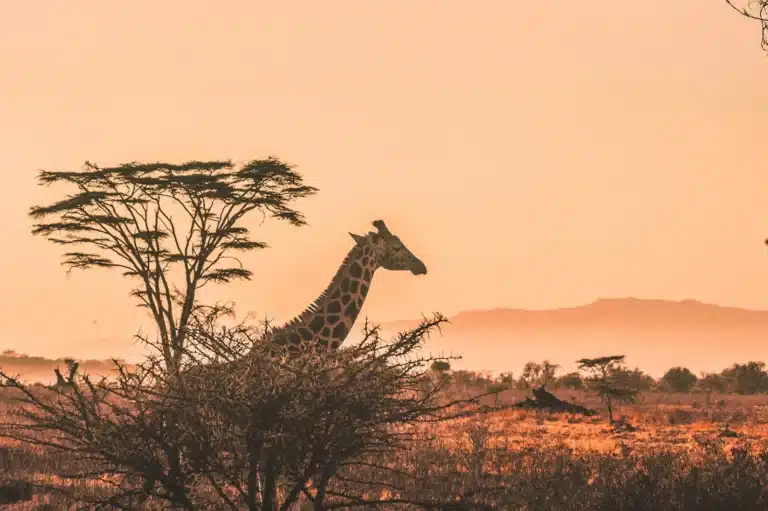
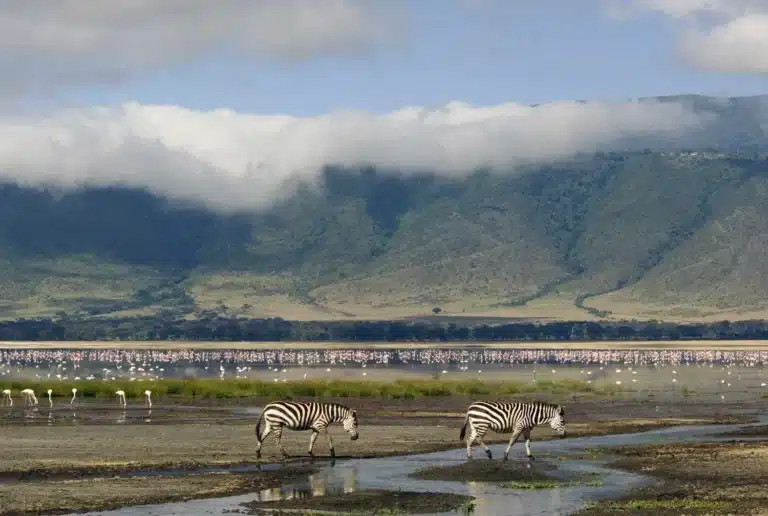
Both rainy periods transform the Serengeti’s colour palette entirely, turning the parched golden grass of the dry season into a deep, saturated green within a matter of weeks. This is not simply an aesthetic change. The new grass growth draws grazing herds back across the southern and eastern plains, particularly ahead of and during the calving season that follows the short rains, and the landscape’s transformation is one of the most striking, if least advertised, reasons experienced repeat visitors specifically choose to return during a wetter month rather than the classic dry season.
Wildlife viewing does not stop, but it does change in character
Dense vegetation during both rainy periods makes spotting animals in tall grass genuinely harder than during the dry season, when short grazed grass and concentrated water sources make wildlife easier to locate. What the rains lose in ease of spotting, they gain in behaviour and density elsewhere. Migratory herds spread more widely across the plains rather than concentrating around a handful of dry season water points, birdlife increases substantially with the arrival of migratory species from Europe and elsewhere, and newborn animals, both wildebeest calves following the short rains and a wider range of species timing births to the rains generally, are considerably more visible than at any other point in the year.

Photography during the rains has its own distinct appeal
The dramatic skies that accompany a rainy season storm, heavy cloud, shafts of light breaking through, and the saturated green of the plains against a darkening horizon, produce a genuinely different photographic result than the flat, dusty light of the dry season. Photographers who specifically seek out this atmosphere, rather than treating the rains as an obstacle to work around, often describe the rainy months as producing their most memorable images of the whole year, precisely because so few visitors are travelling with this specific goal in mind.

Pricing and availability shift substantially in both periods
Camps and lodges across the Serengeti reduce rates meaningfully during both rainy periods compared with the June to October peak, and the long rains specifically see the steepest discounts of the entire year, since this is the period operators consider genuine low season rather than simply quieter. A traveller with genuine flexibility on timing can secure the same camps and rooms that command premium rates in July and August for a considerably lower price during April or May, and availability at short notice, difficult to find during peak months, is generally straightforward during the long rains.
What the rains mean for a specific December trip
A traveller planning around the current December and into the coming year should expect the short rains to be active or just easing, an unpredictable window where a trip can land on either side of the rain depending on the specific year’s pattern. December itself often sits toward the tail end of the short rains, with the dry spell that typically separates the two rainy periods, January and February, generally arriving shortly after. This makes a December Serengeti trip a genuine gamble on timing within the month, but one where the downside, an afternoon shower rather than a washed-out day, is considerably milder than the same gamble taken in April. Looking further ahead to the following year’s long rains, a traveller weighing March, April or May 2027 against the short rains window should treat the long rains as the higher-risk, higher-reward choice: greater discounts and quieter camps, set against a genuinely higher chance of road disruption than a December booking carries.
Roads and logistics during each period
Self-drivers and operators alike treat the two rainy periods differently for logistics planning. During the short rains, most routes remain passable with standard care, and a well-prepared four wheel drive vehicle rarely encounters more than temporary delays. During the long rains, several of the park’s black cotton soil sections become genuinely hazardous, and local knowledge of which specific tracks are currently passable matters considerably more than a map showing a route as technically open. Fly-in itineraries largely sidestep this issue, since light aircraft schedules are affected by rain far less than road conditions are, which is one reason a rainy season safari built around fly-in transport between camps carries less logistical risk than a road-based one during the long rains specifically.
Packing differently for the rains
A genuine waterproof layer, rather than a merely water-resistant one, is worth prioritising for either rainy period, since an open-sided game drive vehicle offers limited shelter from a sudden downpour. Quick-drying fabrics fare considerably better than heavier cotton, which can stay damp for a full day in high humidity. A dry bag or a large ziplock for cameras and phones protects electronics specifically from the sudden, sometimes heavy showers that arrive with little warning during both rainy periods, and this is worth carrying even on a day that starts clear.
Health considerations that intensify during the rains
Malaria risk, present in the Serengeti year round, increases during both rainy periods as standing water expands mosquito breeding habitat, and this is worth factoring into how strictly bite prevention and prophylaxis are followed during a rainy season trip specifically, rather than assuming the general year-round advice covers a wetter month equally well. Humidity also rises noticeably, which can make evenings feel closer and more uncomfortable than the drier months, though most permanent camps manage this well with proper tent ventilation and mosquito netting.
How the rains affect specific sectors differently
Rainfall is not distributed evenly across the Serengeti, and this matters more during the wetter months than it does in the dry season. The northwest, toward the Kenyan border and the Mara River, receives considerably more annual rainfall than the dry southeastern plains, meaning a traveller based in the far north during either rainy period experiences a wetter, muddier trip than one based around Ndutu or the southern plains in the same week. The southeast’s comparatively lower rainfall is also precisely why this area is favoured for the calving season that follows the short rains, since the ground dries and firms up faster here than in the wetter northern sectors, supporting the newborn calves that gather there in enormous numbers.
Combining a rainy season Serengeti trip with Ngorongoro
The Ngorongoro Crater floor drains well regardless of season, since its enclosed, bowl-shaped geography channels rainfall away rather than allowing it to pool across game viewing tracks the way parts of the Serengeti’s flatter plains do. This makes a combined Serengeti and Ngorongoro itinerary during either rainy period a sensible hedge, since a day lost to poor road conditions on the Serengeti leg can often be offset by a still-productive day on the crater floor. The crater rim itself, sitting above two thousand two hundred metres, sees its own separate rainfall pattern and can be genuinely cold and foggy during the wetter months, which is worth factoring into what a traveller packs for this specific leg of a combined trip.
What experienced operators actually do differently during the rains
Guides working the Serengeti through both rainy periods generally adjust routes day by day based on which tracks are currently passable, rather than following a fixed itinerary regardless of conditions, and this flexibility is one of the genuine advantages of a private vehicle and guide over a fixed shared schedule during a rainy season trip specifically. Camps in flood-prone areas near seasonal rivers are typically closed or offer reduced access during the height of the long rains, and a reputable operator will factor this into which specific camps a rainy season itinerary uses, rather than booking a property that becomes difficult to reach for weeks at a time.
Trip insurance and flexible booking terms matter more during the rains
A rainy season booking carries a genuinely higher chance of a specific day’s plan changing at short notice, whether that means a rerouted game drive or, in a more serious case, a delayed light aircraft transfer during a particularly heavy storm system. Confirming that a booking’s cancellation and rescheduling terms account for weather-related disruption, and that travel insurance covers this specifically rather than only medical emergencies, is worth doing before a rainy season trip in a way that matters less during the more predictable dry season months.
Who genuinely benefits from choosing a rainy season safari
A traveller prioritising lower cost, fewer vehicles at every sighting, dramatic light for photography and a genuine interest in the ecosystem’s calving and breeding cycle is well served by either rainy period, with the short rains offering a gentler introduction to the trade-offs involved and the long rains offering the deepest discounts and quietest camps for anyone able to accept the more serious logistical uncertainty that comes with them. A first-time visitor whose primary goal is guaranteed, easy wildlife spotting with minimal weather disruption is generally better served by the June to October dry season, and choosing a rainy month specifically requires accepting that trade honestly rather than hoping for dry season conditions during a period defined by their absence.