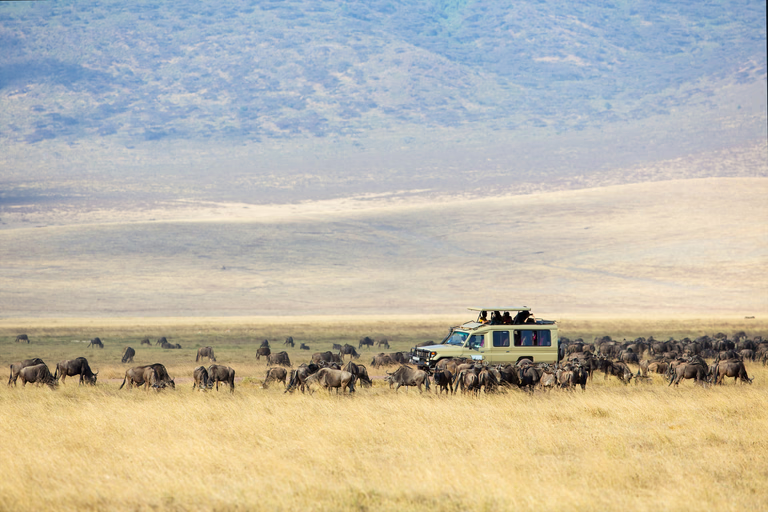
Serengeti in April is the wettest month of the year in the park, and that single fact shapes almost everything else worth knowing about visiting during it. Rather than treat that as a reason to avoid the month outright, it is more useful to lay out honestly what April trades away and what it offers in return, because for the right traveller the trade is a genuinely good one.
Weather in April, Precisely
April holds the highest rainfall total of the year, typically around 130 to 140 millimetres spread across roughly twenty to twenty one rain days, more rain days than any other month on the calendar. Daytime temperatures sit slightly below March, generally 27 to 28 degrees Celsius, with overnight lows around 16 degrees Celsius, and sunshine hours drop to among the lowest of the year, averaging around seven hours a day rather than the eight or more typical of the dry season. Storms can build for longer stretches than the shorter afternoon showers of earlier months, and in the wetter northern reaches of the ecosystem, rain can occasionally persist for a full day rather than clearing by evening.
Where the Herds Are in April
April marks the point at which the wildebeest genuinely begin their move north rather than merely dispersing across the southern plains. Herds that spent March loosening their concentration around Ndutu now push toward the Moru Kopjes, Simba Kopjes and the central Seronera area, with the front of the herd beginning to reach toward the Western Corridor by the second half of the month. The exact timing shifts year to year depending on rainfall, and operators tracking the migration closely can offer a far more current read than any fixed calendar, but April is reliably the transition month between the southern plains and the corridor rather than a settled location in its own right.

The Case Against April
Honestly stated, April is the hardest month of the year to guarantee comfortable, uninterrupted game drives. Roads across the black cotton soil of the southern and central Serengeti become genuinely difficult, with some routes impassable after a heavy storm until they dry out, and vehicle transfers can take considerably longer than the distance alone would suggest. Some camps close entirely for part of April, particularly smaller mobile operations without the infrastructure to manage the wettest weeks. Wildlife itself is present and active, but visibility across the plains is reduced by taller, denser grass following weeks of consistent rain, and animals have less need to concentrate around limited water sources when water is abundant everywhere.
The Case For April
Set against those genuine drawbacks, April offers the lowest rates and the thinnest crowds of the entire Serengeti calendar. Camps that charge peak season prices in July or February often drop to their lowest annual rates in April, and the parks themselves feel close to empty by comparison, with popular sightings unlikely to draw more than one or two other vehicles. The landscape itself is at its most visually striking, with saturated green plains, dramatic cloud formations and excellent conditions for landscape and storm photography that the dry season cannot offer. Birdlife is also at its richest in April, as migratory species arrive to take advantage of the abundant insect life following the rains, making the month genuinely appealing for birders in a way it is not typically marketed.
Booking Lead Times
April requires no meaningful advance booking pressure. Most camps have open availability even a few weeks ahead, and travellers with flexible dates can often negotiate favourable rates directly, since operators are actively trying to fill beds during the quietest stretch of the year. This is the opposite booking dynamic to July through October or the February calving peak.
Photography Conditions
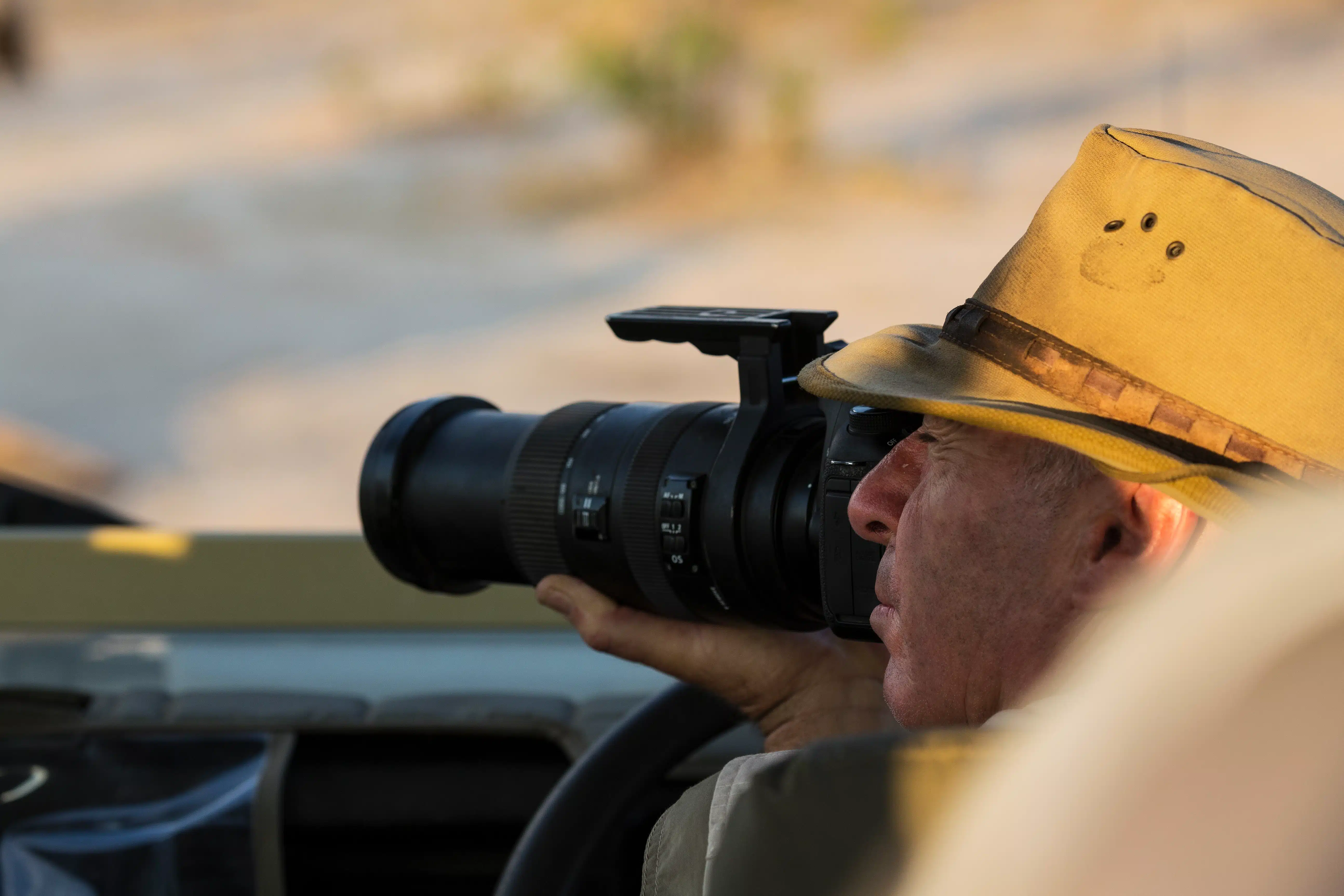
For a photographer comfortable working around interruptions, April rewards patience with genuinely dramatic light: heavy cloud, shafts of sun breaking through storms and saturated colour in the landscape that flatter wide shots in particular. Wildlife photography is more challenging given denser vegetation and the possibility of a session being cut short by rain, so April suits a photographer prioritising atmosphere and landscape over guaranteed close range wildlife action.
What to Pack for April
A proper waterproof rain layer is not optional in April, and travellers should pack it as a genuine expectation rather than a precaution. Quick drying clothing, waterproof footwear or boots rather than trainers, and a dry bag for electronics and camera gear are all worth prioritising. Given the reduced sunshine hours, a warmer layer for overcast mornings is also worth including alongside the usual warm weather clothing.
Combining April With Other Destinations
Because road conditions are at their most difficult in April, travellers combining a Serengeti visit with Ngorongoro Crater or Tarangire should build extra transfer time into any itinerary rather than assuming dry season driving times. Fly-in transfers between airstrips are the more reliable option during this month specifically, avoiding the longer, less predictable road journeys between parks.
Who Should Choose April
April suits budget conscious travellers willing to accept a genuine chance of rain disrupting part of a day, photographers drawn to dramatic storm light and lush green landscapes, and birders keen to catch migratory species during their most active feeding period. It suits repeat visitors who have already experienced the Serengeti in a drier month and want a genuinely different version of the same park at a fraction of the cost. It suits poorly anyone on a short trip who cannot absorb a lost afternoon to weather, anyone specifically chasing dense wildlife concentrations, and anyone unwilling to accept that some smaller camps may simply be closed for part of the month. Approached with the right expectations, April is not the Serengeti’s weakest month so much as its most misunderstood one, offering genuine value and visual drama in exchange for a level of unpredictability that suits some travellers far better than others.