Eastern Serengeti rarely appears on a first-time visitor’s itinerary, which is precisely why the guides who do work this part of the park tend to describe it as underrated rather than unknown. Bordering the Loliondo Game Controlled Area and stretching toward the Ngorongoro Highlands and the active volcano Ol Doinyo Lengai, this section holds the highest concentration of cheetah anywhere on the continent, and sees a fraction of the vehicle traffic found in the park’s more famous zones.
Where the Eastern Serengeti Sits
The eastern section of the park extends from around Naabi Hill Gate and the Gol Mountains outward to the boundary with the Loliondo Game Controlled Area, an enormous open expanse sometimes quoted at around 3,200 square miles running from Naabi Hill to the Ngorongoro Highlands. Unlike the riverine western corridor or the forested northern Serengeti, this is dry, short-grass country for most of the year, dramatically transformed by rain when the wet season arrives. The Soit Le Motonyi region, on the eastern side toward Loliondo, is a particularly remote and lightly developed subsection that reopened to visitors only in 2014 after two decades closed for cheetah conservation work.
The Gol Kopjes: Africa’s Cheetah Capital
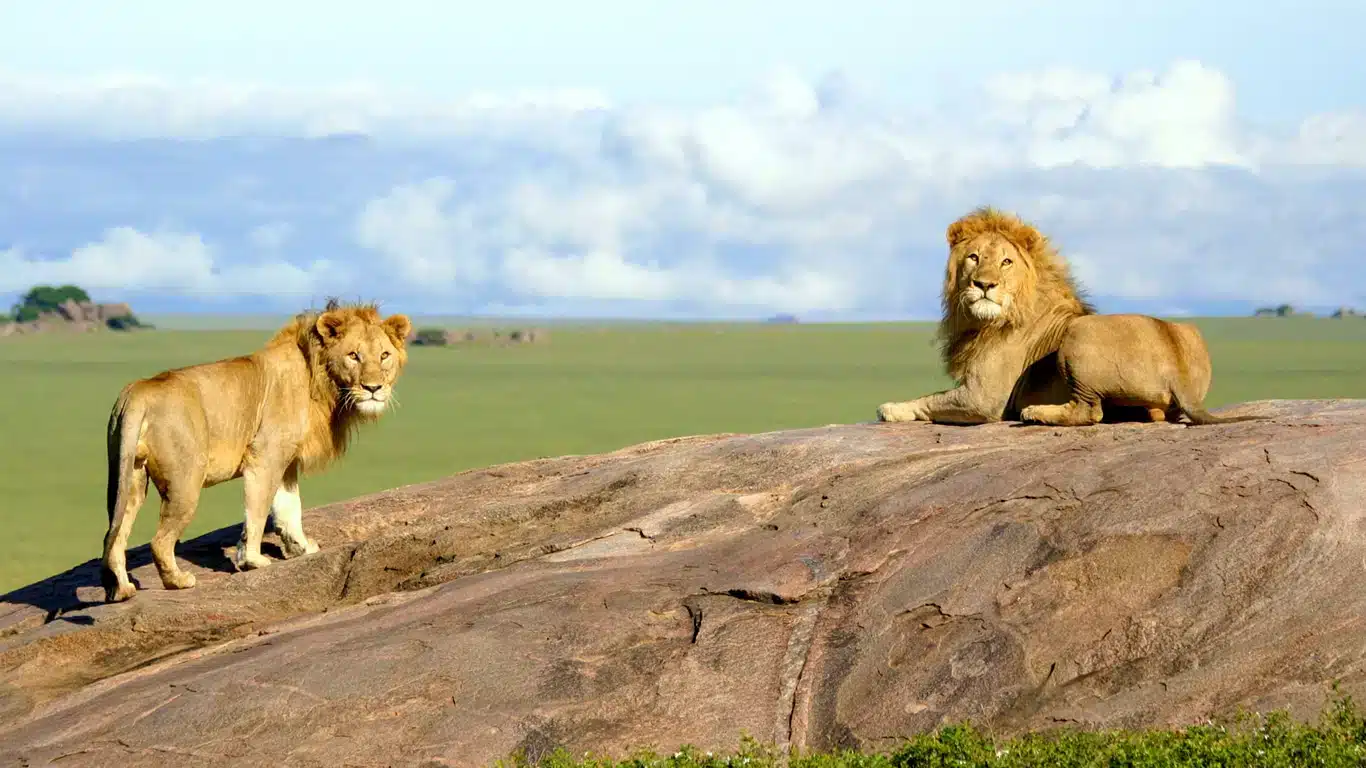
The Gol Kopjes are the eastern Serengeti’s best known landmark and the area’s clearest reason to visit. These ancient granite outcrops, sometimes described by guides as resembling a vast natural rock garden, rise from open, short-grass plains that hold the highest concentration of cheetah found anywhere in Africa. The open terrain here is exactly what cheetah need to hunt using their speed rather than stealth, and the short grass around the kopjes gives both predator and prey excellent visibility, producing hunts that are genuinely easier to witness from a vehicle than in denser habitat elsewhere in the park. Lion and leopard are present around the Gol Kopjes too, using the rocks for shade and vantage points in the same way predators do at Moru and Simba further west, though cheetah remain the area’s defining draw.
Seasonal Transformation and the Green Season
The eastern Serengeti’s character changes more dramatically with the seasons than almost anywhere else in the park. Through the dry months, the plains take on what some guides describe as a semi-desert, moonscape appearance, parched and largely bare. The arrival of the short rains in November triggers a rapid transformation, and by the green season, running roughly from December through May, the plains turn lush and support a genuine explosion of wildlife activity, drawing grazing herds and the predators that follow them. This makes the eastern Serengeti fundamentally a seasonal destination in a way that Seronera, with its permanent water, is not; visiting in the wrong months means arriving to considerably less wildlife than the peak season delivers.

The Migration’s Relationship With the Eastern Plains
The eastern Serengeti is not a primary migration corridor in the way the northern Mara River crossings or the southern Ndutu calving grounds are, but the herds do move through it. Roughly November through February, as the wildebeest travel south out of the northern Serengeti and toward the southern calving plains, a portion of the migration passes across the eastern plains, particularly the Soit Le Motonyi area, adding a seasonal wildlife density on top of the resident cheetah and lion population already present. This transitional period, rather than the crowded peak of a dedicated crossing event, is generally the best window to combine migration sightings with the area’s usual quiet. Guides who track the herds closely note that the exact route across the eastern plains shifts from year to year depending on where the short rains fall first, so a specific camp’s proximity to the herds in any given season is genuinely a matter of luck as much as planning, another reason this part of the park suits travellers with realistic expectations rather than those chasing a guaranteed spectacle.
Walking Safaris and Night Drives in Loliondo
Because significant portions of the eastern Serengeti border, and in places overlap with, concession areas outside the strict national park boundary, this section of the park offers activities unavailable in the core protected area. Guided walking safaris are more widely available here than in central or southern Serengeti, taking advantage of the open terrain and lower vehicle density to offer a genuinely different pace of wildlife encounter. Night game drives, prohibited inside the national park itself, are permitted within certain Loliondo concession areas, giving access to nocturnal species such as aardvark, porcupine and genet that daytime drives rarely encounter.

Cultural Access to Maasai Communities
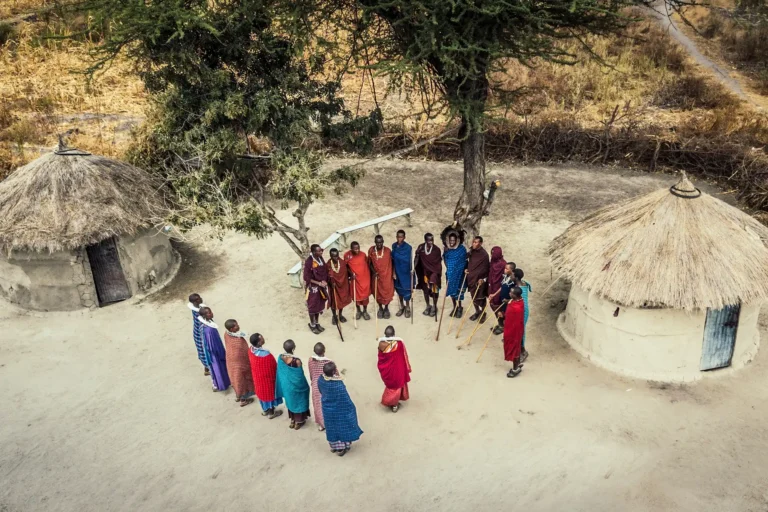
The eastern Serengeti’s proximity to the Loliondo Game Controlled Area also brings it closer to Maasai communities than the more tourist-dense central and northern zones, and cultural visits arranged through community-based tourism initiatives in this region tend to feel less staged than similar visits organised as brief add-ons elsewhere on a standard circuit, largely because the communities here are less saturated by daily tourist traffic. This is not the primary reason most visitors come east, but it is a genuine additional dimension available to travellers with the time and interest to include it.

Access and Why So Few Vehicles Make the Trip
The eastern Serengeti sits under a two-hour drive from central Serengeti for the closer sections around the Gol Kopjes, making it more accessible than the true remoteness of the western corridor or northern Serengeti might suggest, yet visitor numbers remain low. Much of this comes down to marketing momentum rather than genuine difficulty: most standard itineraries default to Seronera, Ndutu or Kogatende depending on season, and the eastern plains simply do not feature in the majority of pre-built packages, leaving the area disproportionately quiet relative to how reachable it actually is from a central base.
Fitting the Eastern Serengeti Into a December 2026 or Early 2027 Trip
December 2026 sits close to ideal for a visit to this part of the park. The short rains will have arrived by then, beginning the green season transformation, and the earliest southbound migration herds are often crossing the eastern plains during this exact window on their way toward the Ndutu calving grounds, meaning a December or January 2027 visit can combine strong resident cheetah viewing at the Gol Kopjes with a genuine chance of transitional migration sightings, all with a fraction of the vehicle density found on the southern plains themselves during the same weeks.
Combining the Eastern Serengeti With Ndutu and the Southern Plains
Because the eastern Serengeti sits close to both Naabi Hill Gate and the southern calving grounds around Ndutu, it pairs naturally with a southern plains itinerary rather than requiring a separate trip of its own. A common pattern among guides working this region is to base a group in the south for the calving season proper, then use a day or two at the start or end of the stay to push east toward the Gol Kopjes specifically for cheetah, rather than treating the eastern plains as a standalone multi-night destination. This approach suits travellers who want the reliability of the southern plains alongside a genuine taste of the quieter eastern ground, without committing extra travel days to a full relocation.

Practical Considerations Before Adding the Eastern Serengeti
Accommodation options here remain limited compared with the rest of the park, generally consisting of a small number of seasonal camps and mobile setups rather than the dense lodge concentration found around Seronera, so booking further ahead than a typical central Serengeti stay is advisable. Water sources are also more limited than in the permanently wet central valley, meaning wildlife concentrations, when they occur, tend to cluster tightly around the few reliable seasonal pans and waterholes, which experienced guides use as a starting point when the open plains themselves appear quiet. The remoteness that keeps vehicle numbers low also means longer transfer times to reach specific sightings if wildlife has moved further from camp than expected, and travellers accustomed to the density of central Serengeti should adjust expectations toward a slower, more deliberate style of game viewing rather than the near-constant sightings that a Seronera-based drive typically delivers.
Wildlife Beyond the Cheetah
Cheetah understandably dominate the eastern Serengeti’s reputation, but the area’s varied habitat, short-grass plains giving way to acacia woodland and scattered kopjes further from Gol itself, supports a broader range of species than the headline predator suggests. Elephant and giraffe move through the woodland margins in good numbers, particularly once the green season is underway, and the open plains support large herds of Thomson’s and Grant’s gazelle, the primary prey base that draws the resident cheetah population in the first place. Bat-eared foxes, a species easy to overlook elsewhere in the Serengeti’s denser habitats, are more frequently spotted on the open eastern ground, along with black-backed jackal hunting the same short grass the cheetah favour.

The Geology Behind the Landscape
The eastern plains’ distinctive short grass owes its character to the same volcanic geology that shapes the southern Ndutu plains, with ash from Ol Doinyo Lengai, the active volcano visible on the horizon from parts of the eastern Serengeti and the Ngorongoro Highlands beyond, having enriched the soil across this entire stretch of country over thousands of years. This volcanic soil supports the nutrient-dense but short-growing grass species that both the resident gazelle population and the migrating wildebeest herds specifically favour, tying the eastern Serengeti’s ecology directly to the same geological processes responsible for the more famous Ndutu calving grounds further south.
Photography Conditions on the Open Plains
The combination of flat, open terrain and low vehicle density makes the eastern Serengeti a genuinely strong choice for photographers, particularly those focused on predator behaviour rather than landscape. Cheetah hunts around the Gol Kopjes typically unfold in full daylight, since cheetah rely on sight and speed rather than the low light favoured by nocturnal hunters, giving photographers workable light throughout the middle of the day in a way that lion and leopard photography, concentrated around dawn and dusk elsewhere in the park, generally does not. The scarcity of other vehicles at a sighting also allows far more flexibility in positioning a vehicle for the best angle and light than is realistic at a crowded central Serengeti sighting.

Who Should Prioritise the Eastern Serengeti
This section suits experienced safari travellers who have already spent time in the Serengeti’s more visited zones and want genuine solitude, dedicated cheetah enthusiasts for whom the Gol Kopjes represent close to the best single location in Africa to pursue that interest, and anyone travelling in the November to February window who wants a quieter alternative to the crowded southern calving grounds while still catching the edge of the migration’s southward movement. For everyone else, the eastern plains reward a willingness to spend a day away from the park’s headline sightings in exchange for the kind of open, uncrowded wilderness that first drew people to the Serengeti before it became one of the most visited parks in Africa.