The western corridor Serengeti sector is the narrow arm of the park that reaches out toward Lake Victoria, and it remains the section most visitors know least about, despite hosting one of the migration’s genuinely dramatic river crossings. This guide sets out what the western corridor actually offers, where its boundaries sit, and when it earns a place on an itinerary.
The Shape and Boundaries of the Western Corridor
The western corridor stretches roughly fifty kilometres westward from the central Serengeti toward Lake Victoria, narrowing as it goes, bordered by hills on either side and flanked by the unfenced Grumeti Game Reserve, a 138,000 hectare private concession that functions as an extension of the same ecosystem rather than a separate destination. Two rivers define the landscape here, the Grumeti and the smaller Mbalageti, running roughly parallel and maintaining a band of evergreen riparian forest along their banks even through the dry season, in contrast to the open plains that dominate the southern and eastern parts of the park. The corridor’s western end meets Ndabaka Gate, the park’s least used entrance, connecting toward Mwanza and Lake Victoria rather than back toward Arusha.
The Grumeti River Crossing
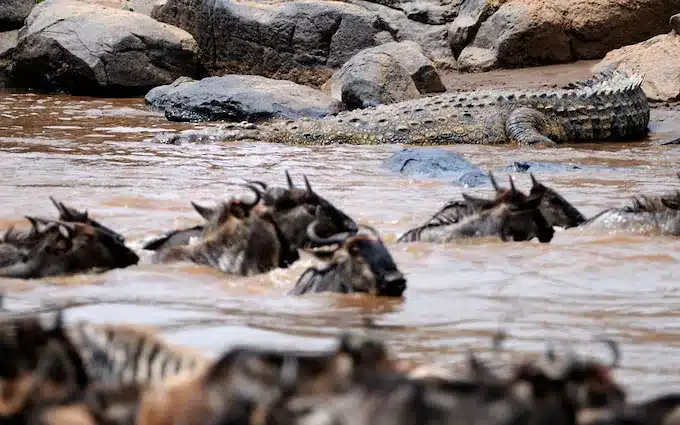
The western corridor’s signature event is the Grumeti River crossing, when the northbound wildebeest migration reaches the river on its way toward the Grumeti Reserve and, eventually, the Masai Mara. The crossing typically happens within a one to two week window somewhere between May and July, most commonly clustering in late May through June, though as with every migration event the exact timing follows the rains rather than the calendar and cannot be guaranteed in advance. What makes the Grumeti crossing distinct from its better known counterpart on the Mara River further north is scale: this is a smaller, more intimate crossing, with far fewer vehicles gathered on the banks, often around half the number typically seen at a Mara River crossing during peak season, and the Grumeti itself holds some of the largest Nile crocodiles in the Serengeti ecosystem, giant, ambush predators that make the crossing every bit as tense despite the reduced crowds.

Wildlife Beyond the Migration
The western corridor supports a genuinely strong year-round resident population, distinct from the seasonal drama of the crossing itself. Elephant herds move through the riverine forest and woodland in numbers that rival anywhere else in the park, giraffe are common on the more open ground, and hippo pods occupy pools along both the Grumeti and Mbalageti in significant numbers. The area also holds the Serengeti’s most reliable population of black and white colobus monkeys, a forest specialist rarely seen elsewhere in the park, along with the localised kongoni antelope, a subspecies of hartebeest found in this corridor and few other places in the ecosystem. Leopard and lion populations here are healthy though less concentrated than in central Serengeti, benefiting from the cover the riverine forest provides.

Birdlife in the Western Corridor
The mix of open savanna, woodland, floodplain and dense riverine forest gives the western corridor a bird list that rivals or exceeds other parts of the Serengeti, with forest species uncommon elsewhere in the park appearing alongside the more familiar savanna birds. The riverine canopy along the Grumeti supports species that depend specifically on closed forest cover, a habitat type in short supply across the rest of the largely open Serengeti, making this corridor a genuine draw for visitors with a specific interest in birding rather than only the migration.

Access and Why the Western Corridor Stays Quiet
Remoteness is the defining practical fact of this part of the park. Reaching the western corridor by road from central Serengeti takes several hours across rougher tracks than the main Naabi Hill to Seronera route, and while a Grumeti airstrip serves scheduled flights during the crossing season, service is thinner than at Seronera or Kogatende, with fewer flights per week outside the peak May to July window. This combination of distance and limited flight access is precisely why the corridor sees a fraction of the vehicle traffic found elsewhere in the Serengeti, even during the crossing itself, and why visitors who do make the effort to reach it consistently describe having sightings largely to themselves.
Accommodation in the Corridor
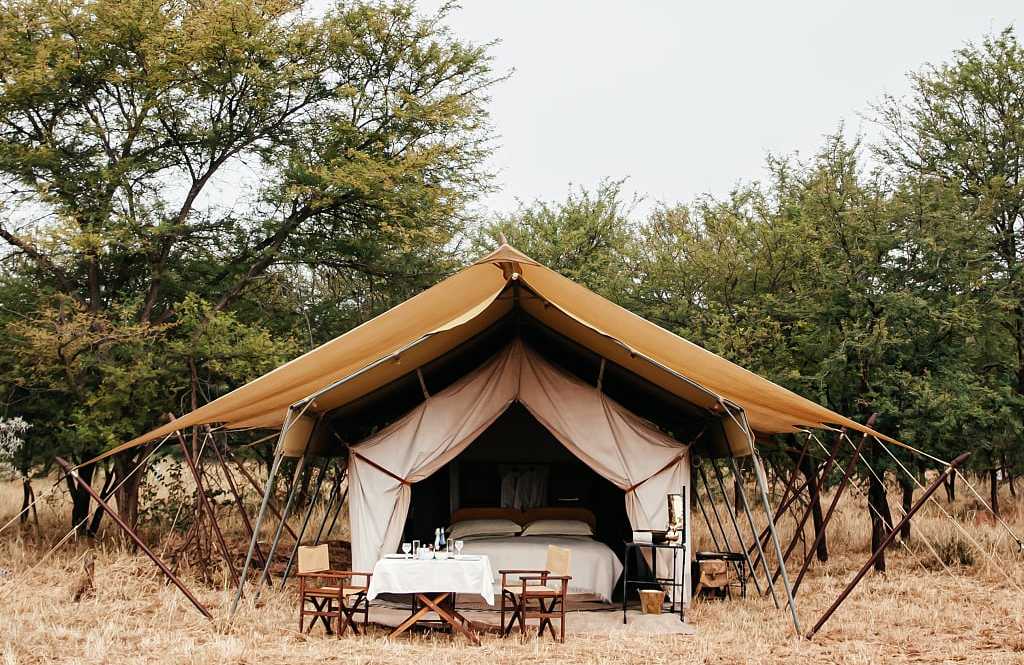
Lodging in the western corridor splits sharply by budget. At the accessible end, a public campsite sits near Ndabaka Gate itself, along with a modest lodge-affiliated site nearby, both aimed at overland travellers passing through toward Lake Victoria rather than at those seeking a dedicated corridor stay. At the other end, the sector is known for a small number of exclusive permanent lodges positioned along the Grumeti River, including properties within the private Singita Grumeti concession, plus seasonal mobile camps that relocate into the Kirawira area specifically to track the crossing each May through July before closing for the rest of the year. There is very little in the middle ground; travellers on a moderate budget are generally better served basing themselves in central Serengeti and treating the western corridor as a shorter excursion rather than a multi-night stay, unless the crossing itself is the primary reason for the trip. Mobile camps that follow the migration into the corridor each May tend to offer the most direct crossing access of any accommodation type, since their position shifts with the herd rather than staying fixed at a single permanent site, though this comes with fewer of the amenities a permanent lodge can offer.
Best Months to Visit the Western Corridor
May through July covers the crossing window and is the obvious peak, but the corridor rewards visits outside this period too. September and October still hold good numbers of the remaining herds moving through on their way further north, with noticeably lighter crowds than the peak crossing weeks. The dry season generally, running from around June through October, concentrates resident wildlife more tightly around the two permanent rivers as surrounding water sources dry up, which can produce strong general game viewing even without the migration present. The wetter months from November through April see the corridor at its greenest and quietest, appealing to visitors more interested in birdlife, scenery and solitude than in the crossing spectacle itself. April in particular brings the heaviest of the long rains, which can make some of the corridor’s rougher tracks genuinely difficult to pass and prompts a handful of the smaller camps to close entirely until the ground firms up again in late May, so travellers set on this month specifically should confirm road conditions and camp operating dates before finalising a booking.
Activities Not Permitted Inside the National Park Boundary
A practical distinction worth understanding before booking is that the Grumeti Reserve, though ecologically continuous with the national park’s western corridor, is privately managed land rather than part of Serengeti National Park itself, which means activities normally restricted inside the park, including night game drives and off-road driving to follow a specific sighting, become available to guests staying within the concession. This is a genuine practical advantage for travellers whose primary interest is closer wildlife encounters or nocturnal species, since national park regulations keep vehicles on formed tracks and off the roads after dark regardless of how good a sighting might be developing nearby.
Fitting the Western Corridor Into a December 2026 or 2027 Itinerary
For travel centred on December 2026 or the first months of 2027, the western corridor sits well outside its migration peak, since the herds will be concentrated on the southern calving plains rather than anywhere near the Grumeti at that time of year. This does not make the corridor a poor choice for that window, only a different kind of visit: expect strong resident elephant, hippo and colobus sightings, quiet green-season scenery, and considerably lower rates at the handful of permanent lodges that stay open year-round, without the crossing itself as part of the experience. Visitors specifically wanting to witness the Grumeti crossing need to plan for the following May or June instead, roughly five to seven months after a December 2026 departure.
Walking Safaris in the Corridor
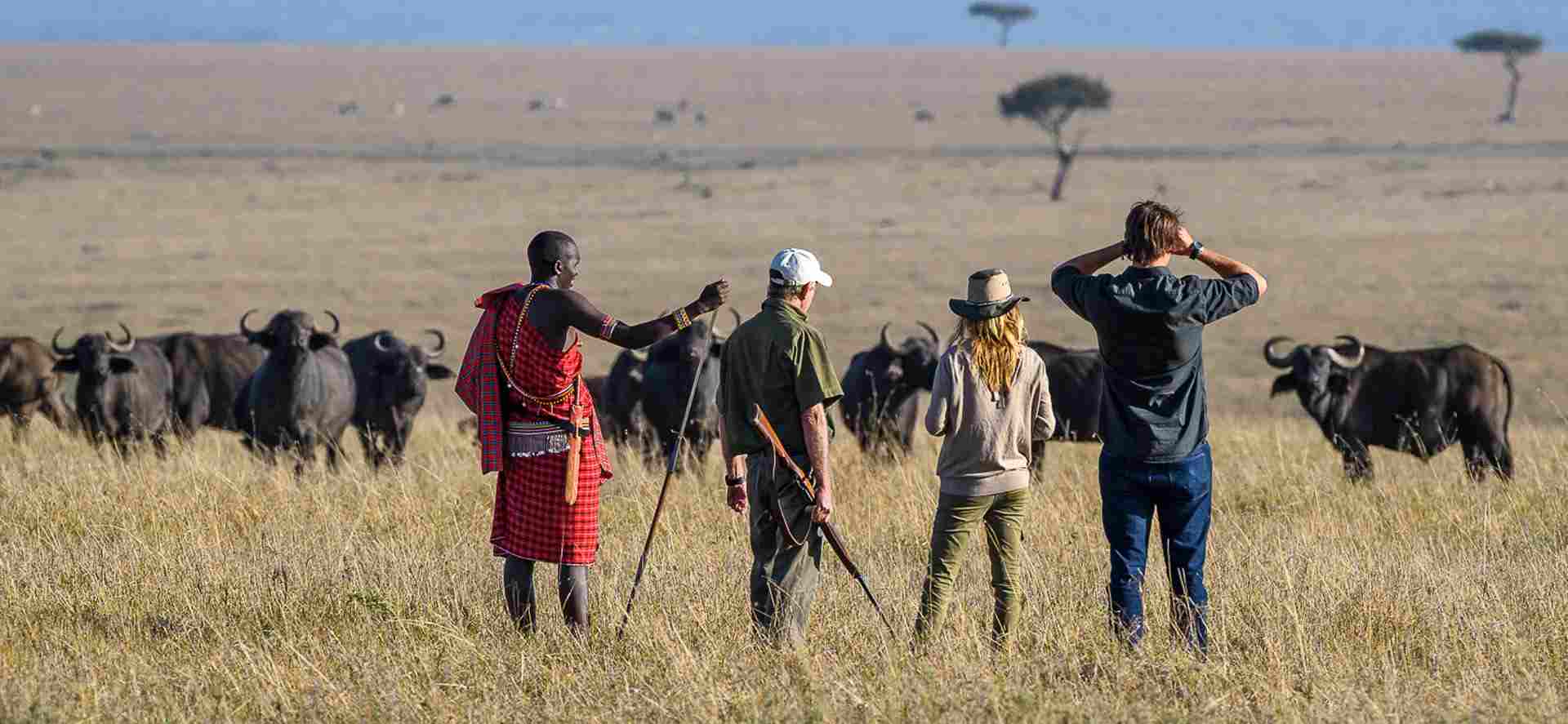
The Grumeti Reserve, bordering the western corridor’s northern edge, is one of the few areas within the wider Serengeti ecosystem where guided walking safaris on foot are permitted for guests staying at reserve properties. Walking here differs meaningfully from a vehicle-based game drive, focused on tracking, smaller species, and the sounds and smells of the bush that a vehicle engine masks entirely, led by armed guides trained specifically for foot safaris in an area with resident lion and elephant. This activity is generally reserved for guests of the private concession lodges rather than available to visitors staying in central Serengeti and driving out for the day, which is one further reason a dedicated stay in the corridor appeals to travellers who want more than a single game drive through the area.
Getting to Lake Victoria From the Corridor
Ndabaka Gate, at the western corridor’s far end, is the Serengeti’s link toward Lake Victoria and the city of Mwanza, a route used far more often by travellers connecting through to Rwanda or heading onward into western Tanzania than by those on a standard northern circuit itinerary. Few visitors combine a western corridor stay with a Lake Victoria extension, given the additional travel time involved, but the option exists for anyone building a longer, less conventional route through the region rather than the typical Arusha-based northern circuit loop.
Photographing the Grumeti Crossing
The Grumeti crossing rewards a different photographic approach than the open-plain calving season further south. The riverine forest lining the banks means shooting positions are often more confined, with less flexibility to reposition a vehicle for better light than on the open Ndutu plains, and the crossing point itself can require a longer lens to capture the crocodile activity in the water safely and clearly from the permitted viewing distance. Patience matters here as much as anywhere else in the migration story: the herds frequently gather at the water’s edge for hours, retreating and regathering, before a crossing actually begins, and guides experienced with this specific stretch of river tend to read the herd’s behaviour well enough to position guests before the moment arrives rather than after.
Who the Western Corridor Suits
This sector is best suited to travellers who have already experienced the more accessible parts of the Serengeti and want a genuinely quieter, more remote alternative, to keen birders drawn by the forest species unavailable elsewhere in the park, and to anyone specifically targeting the Grumeti crossing as a lower-crowd alternative to the Mara River spectacle further north. It is a poor fit for first-time visitors on a short trip or a limited budget, given the access difficulty and the concentration of accommodation at the luxury end of the market, but for the right traveller and the right dates it delivers one of the most genuinely uncrowded wildlife experiences the Serengeti has to offer.