Ngorongoro crater rim lodges vs floor Experience is a choice most visitors never realise exists, since the overwhelming majority of accommodation options sit on the crater rim and the alternative, a genuine overnight stay down on the crater floor itself, is a rare, tightly restricted category available at only a small handful of properties. Understanding the real difference between the two matters more for shaping expectations than for choosing between two equally available options, since one is the default and the other is a genuine exception that most itineraries never seriously consider until they learn it exists.
Why the Rim Is the Default Choice
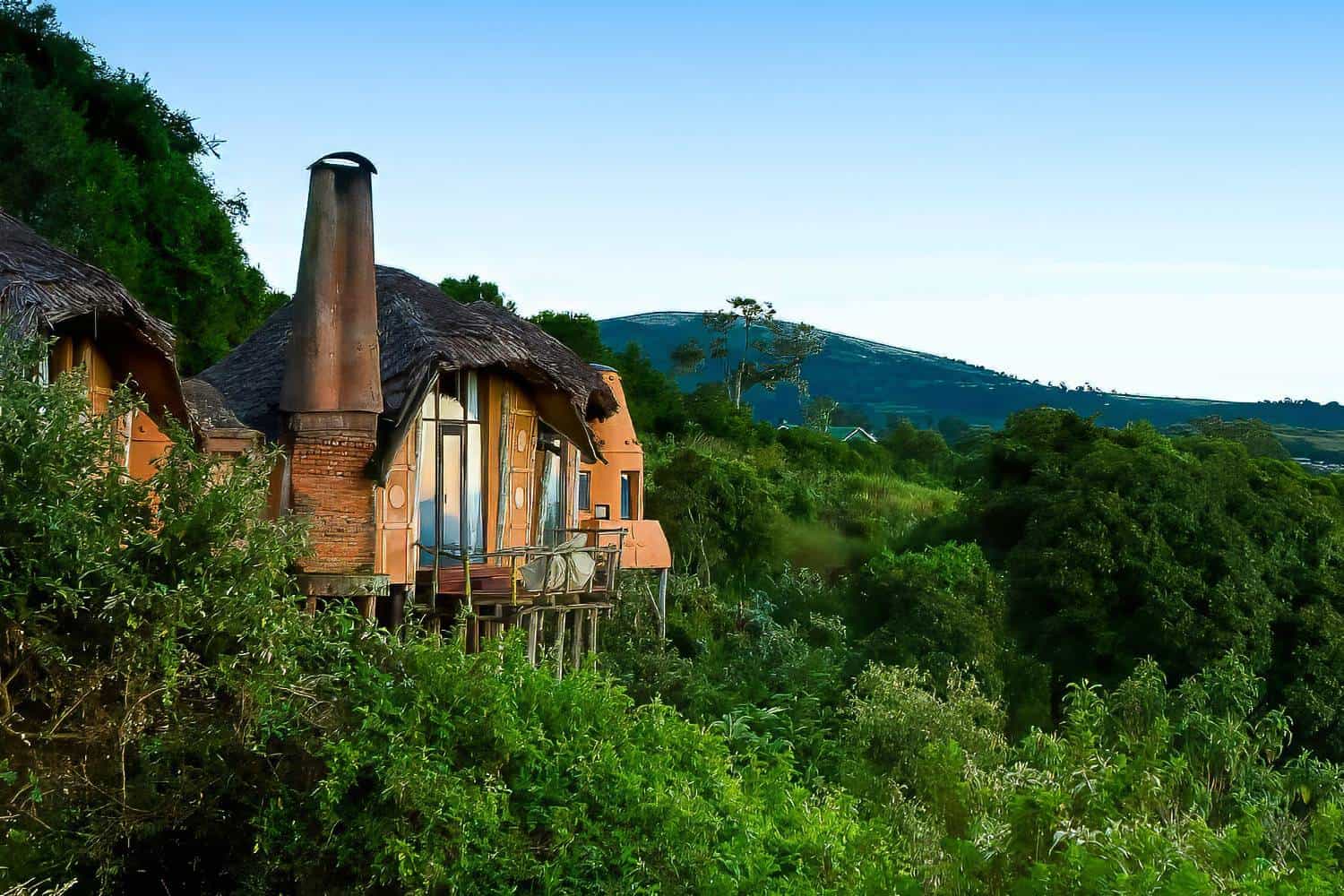
Nearly every lodge and camp built to serve the Ngorongoro Crater sits on the forested rim above the caldera, at an altitude of roughly 2,300 metres, rather than on the floor 500 metres below. This is the practical result of decades of conservation policy that has deliberately kept permanent structures off the ecologically sensitive floor, concentrating development instead along a rim that offers sweeping views down into the crater without disturbing the wildlife or grazing land below. Properties such as Ngorongoro Serena, Sopa Lodge and Lemala Ngorongoro all sit within this rim category, offering direct crater views, a short drive to the descent road and the ability to be among the first vehicles onto the floor each morning, an advantage that becomes particularly valuable during the crowded peak months of July through September.

What a Genuine Floor Stay Actually Is
A small number of specialist operators run exclusive, highly restricted tented camps that place guests overnight on or very close to the crater floor itself, operating under special permits from the Ngorongoro Conservation Area Authority that are not available to the wider market. These floor camps are few in number, extremely limited in capacity, and priced well above even the most expensive rim lodges, reflecting both the exclusivity of the permit and the genuine novelty of waking up among the wildlife rather than looking down on it from above. Travellers considering this option should expect to book many months in advance through a specialist operator, since availability is a fraction of what exists across the wider rim.
The Case for Staying on the Rim
For the vast majority of travellers, the rim delivers everything that matters most about a crater visit: proximity to the descent road, allowing an early start ahead of the bulk of the day’s vehicles, and a view down into the caldera that few other places in Africa can match. A rim stay also offers a genuine range of budgets, from the comparatively simple rooms at Rhino Lodge or Ngorongoro Wildlife Lodge through to the considerably more polished Serena and Sopa properties and the top tier Ngorongoro Crater Lodge, all sharing the same essential advantage of a short pre dawn drive to the gate.
The Case for a Floor Camp
A floor stay suits a narrower type of traveller specifically, one for whom the novelty and exclusivity of sleeping within or immediately beside the crater ecosystem outweighs both the considerably higher cost and the far more limited choice of dates and operators. The immersion is genuinely different from a rim stay, since the sounds of the crater at night, distant lion calls, the movement of grazing herds, are audible in a way they simply are not from a lodge perched 500 metres above on the rim. This immersion comes with real trade offs beyond cost, including a more restricted range of activities and a far smaller selection of available nights each year given how few permits exist across the entire conservation area.
Access and the Morning Descent
A rim lodge stay allows most guests to be at the descent gate by around six in the morning, reaching the crater floor well ahead of vehicles making the considerably longer drive up from Karatu or elsewhere in the wider conservation area. A floor camp, by its nature, removes this consideration entirely, since guests are already within or immediately adjacent to the ecosystem they came to see, without any morning drive required at all. This remains arguably the single clearest practical advantage a genuine floor stay offers over even the best positioned rim lodge anywhere on the entire circuit.
Cost Comparison
Rim lodges span a genuinely wide price range, from budget conscious properties charging a few hundred US dollars per night through to five figure sums at the very top end, giving most travellers a workable option regardless of budget. Floor camps, by contrast, sit almost exclusively at the very top of the market, reflecting both the cost of operating within such a tightly regulated permit system and the sheer scarcity of available nights, and travellers should expect floor camp rates to sit well above even the most expensive rim lodge on a like for like basis, often by a wide margin rather than a modest premium.
Wildlife Experience Compared
Wildlife sightings during the day are identical regardless of where a visitor sleeps the night before, since every vehicle descends onto the same enclosed floor and shares access to the same resident population of roughly 25,000 large mammals. The genuine difference lies entirely in what happens outside the standard game drive hours, since a floor camp offers the possibility of hearing and sensing the crater’s nocturnal activity directly, an experience no rim lodge, however close to the descent road, can replicate. Neither option changes the underlying rules governing the game drive itself, since every vehicle, regardless of where its passengers slept, is subject to the same speed limits, the same six hour floor time restriction and the same descent and ascent road network shared by every other visitor that day.
Practical Considerations for Booking Either Option
Rim lodges can generally be booked through any established tour operator with reasonable lead time outside the July to September peak, while floor camps require booking through a small number of specialist operators, often many months or even a year in advance given how few nights exist across the entire calendar. Anyone specifically interested in a floor stay should raise the idea with an operator early in the planning process rather than assuming it can be added as a late addition to an existing itinerary, since the specialist operators involved typically allocate their limited nights well ahead of the season itself.
Weather and Comfort Differences
The rim’s altitude means genuinely cold nights and frequent morning mist, conditions that most rim lodges are well equipped to handle with heating, fireplaces or simply well insulated tented rooms. A floor stay, at the considerably lower altitude of the crater floor itself, tends to be milder overnight, though this comes with its own considerations around proximity to wildlife that a rim lodge, set back and fenced, does not need to address in the same way, and any operator running a floor camp will brief guests thoroughly on movement restrictions after dark for exactly this reason.
Environmental Regulation Behind the Rarity
The scarcity of floor camps is not a marketing device but a direct consequence of Ngorongoro Conservation Area Authority policy, which restricts permanent and semi permanent structures on the crater floor far more tightly than on the rim itself, precisely because the floor supports such a dense concentration of resident wildlife within a comparatively small area. Any operator running a floor camp does so under a specific, closely monitored agreement, and the number of such agreements in existence at any one time is genuinely small, which is the underlying reason floor camps remain so much harder to book and so much more expensive than any rim alternative.
Food, Service and Facilities Compared
Rim lodges, particularly at the mid range and above, generally offer a full range of facilities, including proper dining rooms, bars, spa services at the top end and reliable electricity, since they sit within an established, well serviced part of the conservation area. Floor camps, given their restricted and temporary nature, tend to offer a more pared back experience by comparison, prioritising the immersive location itself over the breadth of amenities a larger, permanent rim property can support, and travellers should set expectations accordingly rather than assuming a floor camp simply replicates a rim lodge in a different location.
Family and Group Suitability
Rim lodges are considerably better suited to families and larger groups, since the wider range of room configurations, on site facilities and generally more flexible booking terms make it easier to accommodate children, multiple generations or a larger travelling party than the tightly capped, adults oriented nature of most floor camps. Floor camps, given their scarcity and premium positioning, are typically better suited to couples or small groups specifically seeking an exclusive, once in a lifetime experience rather than a family friendly base for a broader trip.
Who Should Choose the Rim
The rim suits the overwhelming majority of travellers, including first time visitors, families, and anyone building a broader northern circuit itinerary that also includes the Serengeti or Tarangire, since it offers a genuinely wide choice of properties, budgets and availability without the planning lead time a floor stay demands.
Who Should Choose a Floor Camp
A floor camp suits experienced safari travellers on a special occasion trip, with the budget and planning flexibility to book far in advance, who specifically want an experience that goes meaningfully beyond what any rim lodge, however well positioned, can offer. It is a poor fit for a first Tanzania safari or for anyone whose itinerary and budget are already tightly constrained elsewhere.
How to Decide
The honest answer for most travellers planning a Ngorongoro visit is that the rim question resolves itself quickly, since availability, budget and the sheer rarity of floor camps mean the vast majority of visitors will stay on the rim regardless of preference. The decision genuinely worth deliberating is which specific rim property fits a given budget and itinerary, rather than whether to pursue the floor option at all, unless a floor stay was already a firm priority before planning began, in which case it needs to be raised with an operator at the very start of the process rather than treated as an optional upgrade later on.
Looking Ahead to the 2026 and 2027 Seasons
The balance between rim and floor accommodation is not expected to shift meaningfully across the 2026 to 2027 travel calendar, since the conservation policy restricting floor development has remained stable for years and shows no sign of loosening. Travellers planning a December 2026 or any 2027 date who want the rare floor experience should raise it with a specialist operator well in advance, given how limited the relevant permits remain regardless of the calendar year in question, and should build in a realistic fallback to a top rim property in case a floor booking cannot be secured for the specific dates required.


