Ngorongoro Crater in June marks the start of the dry season, the point on the calendar where the long rains finally give way to clear skies, cooler mornings and the first real uptick in visitor numbers ahead of the July to September peak. It is a genuinely useful month for travellers who want dry, reliable conditions without paying peak season rates or competing with peak season crowds for the same sightings, and it tends to reward travellers who can be flexible about which week of June they book rather than fixing on a single date regardless of the calendar.
Weather on the Floor and the Rim
June brings a sharp change from May, with rainfall dropping to a fraction of the previous month’s totals and most days passing with no rain at all. Daytime temperatures on the crater floor typically hold around 19°C, similar to May, but the character of the weather shifts noticeably, with consistently clear skies replacing the mix of sun and shower typical of the preceding months. Nights turn genuinely cold from June onward, with rim temperatures commonly dropping to 7°C or below, and travellers should expect a properly cold, sometimes frost tinged pre dawn descent for the first time in the year. The clear skies that define June also mean sharper temperature swings between the coolest part of the night and the warmest part of the afternoon than during the wetter months.
Wildlife on the Crater Floor
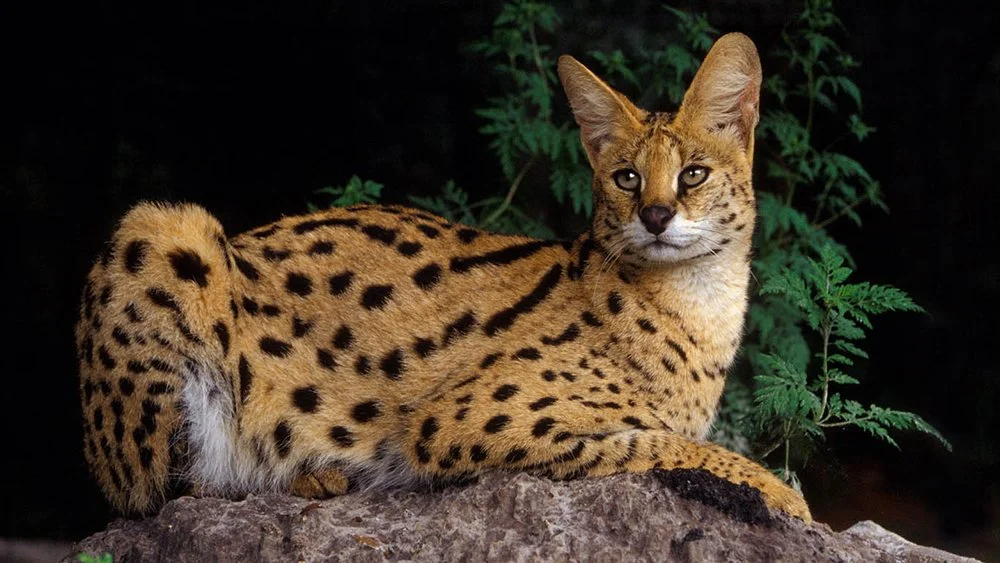
The crater’s resident population of roughly 25,000 large mammals remains unaffected by the change in season, but the shorter, drier grass that begins to establish itself through June makes spotting many species noticeably easier than during the taller grass of the rains. Cheetah and serval, both harder to locate when grass is tall, become more visible as June progresses, and the black rhino population, numbering around 30 individuals, is typically easier to pick out against the shorter grass around the Lerai Forest. Lion prides holding territory near Lake Magadi remain a near certain sighting, and buffalo herds begin to concentrate more visibly around the crater’s permanent water sources as the smaller seasonal pools that were present in May start to dry out.
Moderate Crowds Before the Peak
June sits in a genuine sweet spot between the low season of April and May and the high season that begins in earnest toward the end of the month. Crowds are noticeably higher than May but still well short of the congestion that defines July and August, and game drives generally proceed smoothly on drier roads without the queue of vehicles at popular sightings that becomes common later in the dry season. Travellers who want dry conditions and easy wildlife spotting without the crowding of peak season often find June, particularly the first three weeks, the most balanced choice available across the whole year. By the final week of June, the shift toward peak season becomes noticeable at the gate itself, with a longer queue of vehicles waiting for the descent road each morning than earlier in the month, so travellers with flexibility in their dates may prefer to schedule the crater portion of a longer trip earlier in June rather than later.
Water Levels and Grazing Patterns
Lake Magadi begins a steady decline through June as the dry season takes hold, though it typically still holds a reasonable volume of water compared with the driest months later in the year. The Gorigor Swamp starts to dry at its margins, and the smaller seasonal pools that supported dispersed grazing in May largely disappear by the end of June, pushing herds to begin concentrating around the crater’s handful of permanent water sources, principally Lake Magadi itself and the springs near Ngoitokitok. This concentration makes June a genuinely good month for reliable sightings, since animals are increasingly predictable in where they can be found even though the full dry season crowding effect at those same locations has not yet arrived. Hippo pods, largely confined to the deeper pools around Lake Magadi and the Ngoitokitok springs throughout the year, become a particularly reliable sighting from June onward as surrounding shallow water disappears and the remaining pools hold a higher concentration of animals within a smaller, more easily observed area.

Crowds and Rates
Rates at rim lodges begin climbing through June as properties transition from the low season pricing of April and May toward the peak rates that apply from late June onward. Early June still offers reasonably favourable pricing at properties such as Ngorongoro Serena and Sopa Lodge, but travellers hoping to catch the tail end of low season value are better served booking for the first two weeks of the month rather than the final week, when peak season demand typically begins in earnest.
Road Conditions and Practical Notes
The Seneto descent road and the Lerai ascent road are consistently in their best condition of the year by June, with the mud of the long rains fully dried out and dust not yet built up to the levels seen later in the dry season. This makes June one of the more comfortable months for the drive itself, without either the slick surfaces of April and May or the thick dust of August and September. Malaria risk drops somewhat as standing water disappears, though prevention measures remain sensible year round in this region.
Combining June With Kilimanjaro and the Serengeti
June is a popular month for travellers combining a Ngorongoro Crater visit with a Kilimanjaro climb, since the cooler, drier conditions that begin in June on the crater floor mirror improving conditions on the mountain at the same time. It is also the point at which the wildebeest migration in the Serengeti begins its move north and west out of the southern plains, which makes June a logical month to combine a crater visit with the early stages of that movement for travellers building a longer northern circuit itinerary.
Getting to the Crater in June
The road from Arusha to the Ngorongoro Conservation Area gate, a journey of roughly three to four hours through Mto wa Mbu and up the Rift Valley escarpment, is typically at its most comfortable in June, since the mud of the long rains has cleared and the heavy dust of the later dry season has not yet built up. Travellers flying in usually route through the Lake Manyara airstrip, and scheduled flight frequency on this route begins increasing through June as the season picks up, giving slightly more flexibility around timings than during the quieter months of April and May. A 4×4 vehicle remains standard for the final unpaved stretch along the rim regardless of month, though the driving itself is markedly easier in June than at almost any other point in the year.
Rim Lodges and Where to Stay
Properties along the crater rim, including Ngorongoro Serena, Sopa Lodge and Lemala Ngorongoro, begin filling up more quickly from mid June onward as travellers start booking ahead of the July to September peak. Rooms with direct crater views, which can be had with relative ease during April and May, become harder to secure at short notice as June progresses, so travellers with a fixed June travel date are better served booking further in advance than they might for a low season stay. Smaller camps that reduced operations during the quiet months typically resume full staffing by early June, restoring the full range of accommodation options across the rim.
Birdlife in June
Birdlife in June remains strong, though the elevated water levels and abundant insect activity of the wet season months begin to taper off as the dry season establishes itself. Resident species around Lake Magadi and the Gorigor Swamp continue to offer reliable sightings, and the clearer air and improved visibility of June generally make for easier birdwatching conditions than the more overcast months earlier in the year, even if overall species diversity trends slightly lower than during the peak of the rains.

How June Compares to May and July
June represents a clear step away from May’s wet, quiet character toward the dry, increasingly busy conditions of July and August. Compared with May, June offers drier roads, clearer skies and easier wildlife spotting, at the cost of higher rates and noticeably more vehicles at the gate, particularly from the middle of the month onward. Compared with July, June remains meaningfully quieter and slightly cheaper, while offering very similar weather and wildlife visibility, which makes June arguably the best value month for travellers who want dry season conditions without dry season crowding.
Photography in June
June’s consistently clear skies make for reliable, predictable photography conditions, with strong morning and evening light and none of the overcast uncertainty that can limit shooting windows during the rains. The shorter grass that develops through the month also improves the odds of a clean, unobstructed shot of smaller predators such as cheetah, which can be considerably harder to photograph well when grass is taller earlier in the year.
What to Pack for a June Visit
Warm layers become essential for a June visit given the sharp overnight temperature drop on the rim, and a proper down or fleece jacket is worth prioritising over a lighter layer that might have sufficed during the milder, cloud covered nights of the wet season months. Dust protection for camera equipment starts to become genuinely relevant from June onward, even though dust levels remain considerably lower than they will be by August and September later in the dry season.
Who Should Choose June
June suits travellers who want dry, reliable conditions and improving wildlife visibility without the full crowding and premium pricing of the July to September peak, particularly if they can travel during the first half of the month. It is a strong choice for anyone combining the crater with a Kilimanjaro climb or the early stages of the Serengeti migration, and for travellers who prioritise value over the absolute highest concentration of predictable dry season sightings that the later peak months provide. It is a less compelling choice for anyone whose primary goal is witnessing the height of dry season wildlife concentration around shrinking water sources, since that effect, while beginning in June, becomes considerably more pronounced by July and August.
Looking Ahead to June 2027
June’s role as the opening month of the dry season is set by the same East African weather pattern each year, so the guidance above holds as reliably for a June 2027 booking as for any recent year, even though the exact date the rains fully clear can shift by a week or two from one season to the next. Travellers planning for the 2026 to 2027 travel year who want dry conditions at a more moderate rate than the peak months that follow will generally find the first half of June delivers exactly that balance.


