Serengeti in June marks the start of the dry season proper, and with it the beginning of the busier, more predictable half of the Serengeti calendar. The rains have largely stopped, the migration is pushing hard toward the north of the ecosystem, and the park begins its transition from the quiet, green months into the more heavily booked crossing season that follows. June itself, though, still offers a genuine window of good value before that demand fully arrives.
Weather in June, Precisely
June brings a sharp drop in rainfall compared with May, typically down to around 20 to 25 millimetres across the month, with rain days falling into the single figures for the first time since the previous dry season. Daytime temperatures remain pleasant, generally 25 to 27 degrees Celsius, while overnight temperatures drop noticeably, often down to 13 or 14 degrees Celsius and occasionally lower in the higher altitude areas of the park, making June the first genuinely cool month of the year in terms of early morning game drives. Skies are typically clear, with the long rains’ cloud cover largely gone by this point.
Where the Herds Are in June
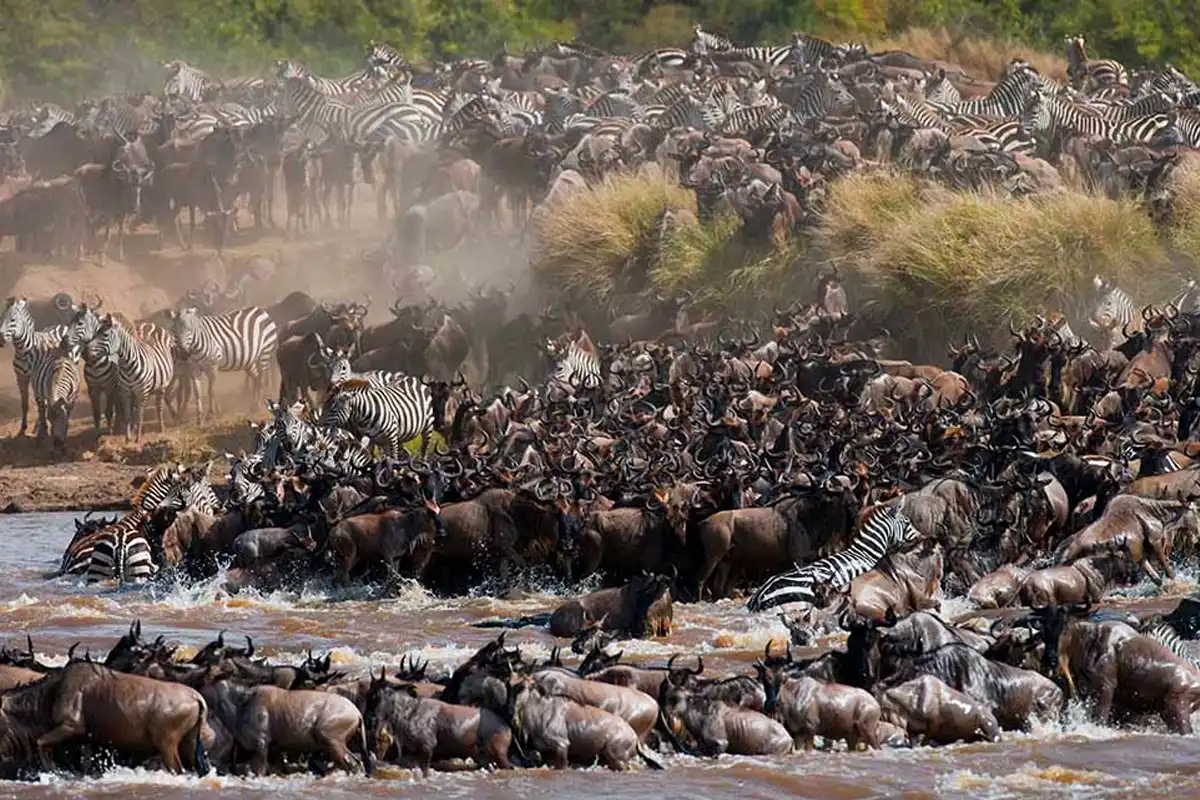
June sees the migration mass in the Western Corridor and push into the central Serengeti, with the front of the herd building toward the Grumeti River crossings that define the month. Unlike the more famous Mara River crossings later in the year, Grumeti crossings in June tend to draw considerably fewer vehicles, roughly half the numbers seen at the northern crossings from July onward, while offering a comparably dramatic spectacle given the size and aggression of the resident crocodile population. By the end of June, the leading edge of the herd typically begins reaching toward the northern Serengeti and the Kogatende area, ahead of the main body that follows through July.

Grumeti River Crossings
The Grumeti River crossings are the headline event of June for travellers specifically chasing migration drama. The river’s banks are lower and the crossings generally less chaotic than the Mara River equivalents, but the sheer size of some of the Grumeti’s crocodiles, among the largest found anywhere along the migration route, makes any crossing a genuinely tense and memorable sighting. Because the herd’s exact position depends on rainfall and grazing conditions, a camp with a guide tracking movement closely and positioned within reasonable range of the river offers considerably better odds than one relying on a fixed itinerary built weeks in advance.

Crowd Levels and Value
June sits at the start of the high season without yet carrying the full weight of July and August’s crowds. Camps in the Western Corridor specifically remain quieter than the northern Serengeti will be later in the season, and rates, while higher than the green season months, have not yet reached the peak levels of July through September. This makes June a genuinely appealing window for travellers who want dry season conditions and serious migration activity without the maximum crowds and pricing of the following months.
Booking Lead Times
June requires more advance planning than May, with the better positioned Western Corridor camps typically needing to be booked four to six months ahead for the best availability. This is a meaningfully shorter lead time than the nine to twelve months often required for peak July through September dates, making June a reasonable option for travellers who did not plan quite as far ahead but still want strong dry season wildlife viewing.
Photography Conditions
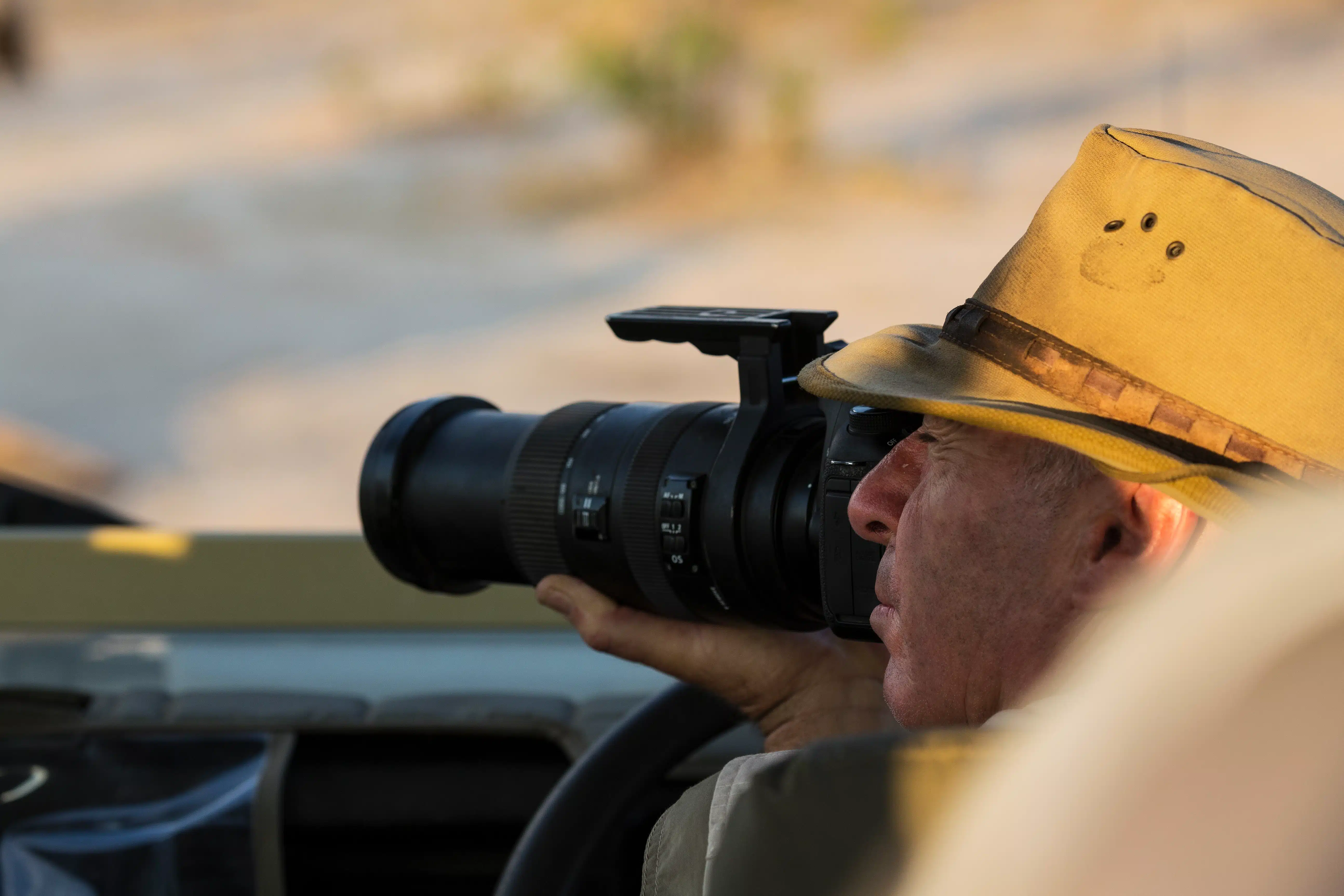
June offers excellent photography conditions: clear skies, strong light and the dramatic subject matter of the Grumeti crossings combine well, and the comparatively lower vehicle density at sightings means more space and better angles than the more congested northern crossings later in the season. The cooler, crisper mornings also produce attractive low light conditions for the first hour or two of a game drive, a quality that intensifies further into July and August.
What to Pack for June
June is the point at which a genuinely warm layer becomes essential for early morning and evening game drives, given the noticeably cooler nights compared with the preceding months. Layering remains the sensible approach, since daytime temperatures are still comfortably warm, but a proper fleece or down layer for dawn departures is worth prioritising over the lighter clothing suited to earlier in the year. Rain gear becomes far less of a priority by June, though a light layer is still sensible given occasional unseasonal showers.
Getting Around in June
Road conditions across the Serengeti improve substantially in June as the ground fully dries out from the long rains, and this is a reliable month for road transfers between the central Serengeti, Western Corridor and neighbouring parks. Fly-in access remains available and convenient for those wanting to save time, but June does not carry the same access risk that the wetter months earlier in the year present.
Combining June With the Northern Serengeti
Because the leading edge of the migration typically begins reaching the north by late June, travellers with a longer trip can structure an itinerary to follow the herd, spending the first part of a safari in the Western Corridor around the Grumeti crossings before repositioning toward Kogatende and the northern Serengeti in anticipation of the Mara River crossings that follow in July. This kind of structured, migration following itinerary requires careful planning with an operator tracking the herd’s actual position rather than a fixed route decided months in advance.
Who Should Choose June
June suits travellers who want serious dry season migration drama, specifically the Grumeti River crossings, without the maximum crowds and cost of the following months, and who are comfortable with cooler mornings and evenings as the trade off for clear skies and strong light. It suits less well anyone specifically committed to witnessing a Mara River crossing, since the herd has generally not yet reached the far north in meaningful numbers this early in the season, and anyone unwilling to pack properly for genuinely cold early mornings. June is best understood as the opening act of the Serengeti’s peak season, offering much of the drama of the months that follow with a noticeably gentler booking window and a quieter, less crowded version of the crossing spectacle in the Western Corridor.