Serengeti December closes the annual migration cycle, with the wildebeest herds arriving back on the southern short grass plains around Ndutu just as the earliest stirrings of the calving season begin to build toward its January and February peak. It is a month of transition and quiet build up rather than a single headline event, and it carries its own festive season quirks that a traveller weighing December against the rest of the calendar should understand clearly before booking.
Weather in December
December continues the short rains pattern established in November, with warm, humid conditions and regular afternoon showers that build through the day and typically clear within an hour or two. Daytime temperatures generally sit in the high twenties to low thirties Celsius, among the warmer months of the year, with correspondingly warm, mild nights compared with the cold mornings of the dry season further back. Rainfall in December tends to be somewhat heavier and less predictable than in November, as the short rains transition toward the sustained wet season that will run through into March, though genuinely disruptive downpours remain the exception rather than the rule for most of the month. The landscape by December is at its greenest, following two months of accumulated rainfall, and this lush, verdant backdrop against dramatic afternoon storm clouds is one of the more visually striking versions of the Serengeti available at any point in the year. Humidity climbs steadily through the month as the wet season deepens, and travellers who found November comfortable should expect December to feel noticeably closer to true tropical conditions by its final week.
Where the Migration Is in December
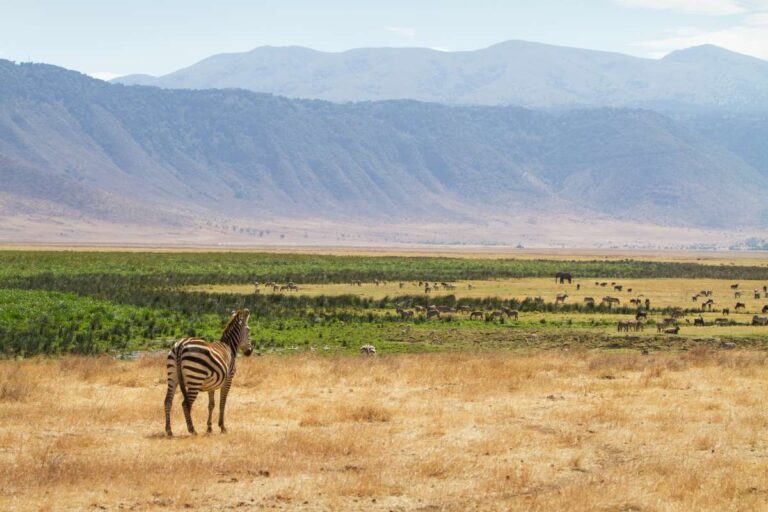
By December, the bulk of the wildebeest migration has arrived on the southern plains around Ndutu, Lake Masek and the northern reaches of the Ngorongoro Conservation Area, drawn by the mineral rich volcanic soil that produces the nutrient dense grass lactating and soon to give birth wildebeest specifically need. This is not yet the concentrated calving spectacle of February, when the majority of calves are born within a tight few week window, but December sees the herds settling into position and building toward it, with early births beginning to occur before the month is out in most years. A short lull typically falls around the Christmas and New Year period itself, both in terms of herd movement, which slows as the animals settle onto the plains, and in terms of accommodation rates, which rise briefly for the festive period before easing back toward the lower rates that characterise the wider calving season. Guides based around Ndutu often describe December as the month the plains audibly change character, with the constant background presence of newborn calves’ contact calls building steadily through the final weeks as the earliest births begin ahead of the main February peak.

Crowds and Booking
December is a genuinely mixed month for crowds and pricing, and the distinction matters for anyone planning around it. Outside the Christmas and New Year window specifically, December sits closer to the quieter, better value shoulder season that runs through November, with meaningfully lower rates and thinner crowds than the July to September peak. Around the festive period itself, roughly the third week of December through the first week of January, demand and pricing rise sharply, driven by families and travellers combining a safari with the holiday period, and the best positioned camps around Ndutu can sell out well over a year in advance for these specific dates. For anyone weighing a December 2026 trip, this distinction is worth planning around directly: dates outside the festive fortnight remain considerably easier to book, often within four to six months of travel, while the Christmas and New Year window itself increasingly needs the kind of lead time normally associated with July or August, frequently booked out twelve months or more ahead by returning guests securing the same dates year after year.
Wildlife Beyond the Migration
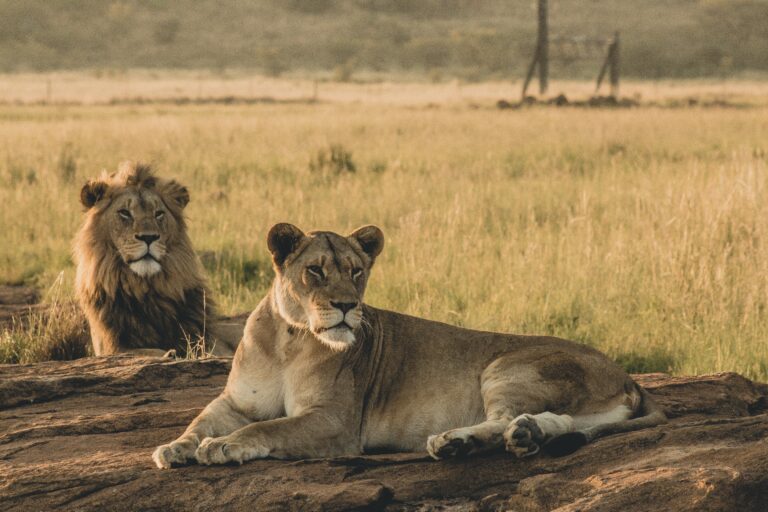
Ndutu and the surrounding southern plains are the clear focus for wildlife in December, with the concentration of wildebeest and zebra drawing strong predator interest even before the calving peak arrives in full force. Lion and cheetah sightings in the Ndutu area are consistently excellent through December, since the open, short grass plains offer little cover and considerable prey density. Central Serengeti’s resident wildlife, unaffected by the migration’s location, continues to deliver strong sightings around Seronera throughout the month, and the freshly green landscape supports healthy populations of resident antelope and their associated predators across the wider park. Birdlife remains strong following the rains, with the southern plains in particular drawing a good range of raptors that follow the concentrated herds, and December is also a rewarding month for spotting the many migratory bird species that pass through the region on their way further south for the northern hemisphere winter.

Named Camps for December
Ndutu area camps are the clear priority for travellers focused on the building calving season, with properties such as Ndutu Safari Lodge and a range of seasonal mobile camps operating specifically through this window before repositioning or closing outside the December through March calving period. Given the festive season pricing and demand spike, travellers targeting the Christmas and New Year fortnight specifically should expect to book considerably further ahead than the rest of December would otherwise require, and should budget for rates closer to peak season levels during that narrow window. Central Serengeti properties around Seronera remain a reliable, generally better value alternative for travellers whose December dates fall outside the festive period and who are happy to combine resident game viewing with a shorter, dedicated visit to Ndutu for the building calving activity.
December Compared with November and January
Against November, December sees the herds fully arrived and settling on the southern plains rather than still spread across the central and eastern sectors during their return journey, along with generally heavier and less predictable rainfall as the wet season deepens. Against January, December offers a genuine preview of the calving season without its full intensity or crowding, since the concentrated birthing peak does not properly arrive until late January and February. For a traveller planning a trip specifically timed around December 2026 with an eye toward the calving season that will follow into January and February 2027, December itself represents a reasonable middle ground: meaningful herd concentration on the plains, strong predator activity, and, outside the festive fortnight, considerably easier booking and lower rates than the peak calving weeks that follow in the new year.
Practical Considerations for December Travel
Lightweight, breathable clothing suited to warm, humid conditions is the priority for December, alongside proper rain protection for the regular afternoon showers. Given the festive season’s particular demand spike, travellers with any interest in a Christmas or New Year safari should treat that specific window as requiring the same advance booking discipline as July or August, rather than assuming December’s generally quieter reputation extends across the whole month. Roads on the southern plains can become soft after heavy rain, and camps in the Ndutu area typically operate a fleet of vehicles suited to these conditions, but travellers should expect some flexibility in daily routing depending on recent weather.
Combining December with Other Parks
December’s central and southern focus makes it a convenient month for a classic northern circuit itinerary, pairing a few nights in central Serengeti or at Ndutu with a stretch in Ngorongoro Crater, whose dense resident wildlife is unaffected by migration timing and whose highland climate offers a cooler contrast to the warm, humid plains below. Tarangire also works well as an addition to a December itinerary, since the rains have typically dispersed its dry season elephant concentrations into a wider, greener spread across the park by this point, offering a genuinely different character of visit compared with the tighter dry season gatherings. For travellers combining a festive season safari with a beach finish, Zanzibar sits within easy reach via Kilimanjaro International Airport or Arusha, and December falls within the islands’ own short rains period, so travellers should check specific dates against Zanzibar’s own weather pattern rather than assuming it mirrors the Serengeti’s exactly.
Photography in December
The lush, saturated green of the plains by December, set against the dramatic afternoon storm clouds typical of the deepening wet season, produces some of the most visually striking conditions available anywhere on the Serengeti’s calendar, particularly around Ndutu where the flat, open plains give unobstructed views of approaching weather. Early morning light before the day’s cloud builds tends to be the most reliable window for clear, well lit photography, with afternoon conditions becoming increasingly unpredictable as the rains approach. The concentration of predators around the southern plains, combined with generally lower vehicle numbers outside the festive fortnight, gives photographers strong opportunities to work a single sighting for an extended period without the competition typical of the crowded dry season months.

Common Planning Mistakes in December
The most consequential mistake is treating all of December as equally available, when in practice the Christmas and New Year fortnight behaves like a separate, high demand micro-season nested inside an otherwise moderate month; travellers targeting those specific dates who book on a normal December timeline frequently find the best Ndutu properties already full. A related mistake is expecting the concentrated calving spectacle itself in December; while herds are present and building toward it, the peak birthing window does not properly arrive until late January and February, and travellers specifically chasing that event should plan for those months rather than December. Finally, some itineraries underestimate how quickly conditions can shift through the month as the wet season deepens, and a camp with current local knowledge of road conditions is worth consulting close to travel dates, particularly for the later weeks of December.
Who December Suits
December suits travellers who want to witness the build up to the calving season without the full crowds of the February peak, and who are comfortable with warm, humid, occasionally showery conditions in exchange for a lush, green landscape and strong predator activity on the southern plains. It particularly suits families combining a festive season trip with a safari, provided the specific demand and pricing spike around Christmas and New Year is planned for well in advance, ideally with a December 2026 date secured many months out if the festive fortnight specifically is the target. For travellers outside that narrow window, December otherwise behaves much like a slightly wetter, warmer version of November, offering strong value and a genuinely rewarding transitional chapter of the Serengeti’s annual cycle heading into the new year. Anyone weighing a December 2026 booking specifically should decide early which version of the month they want, the settled, better value weeks either side of the holidays, or the festive fortnight itself, since the two carry meaningfully different pricing, crowd levels and booking timelines despite sitting inside the same calendar month.