Ngorongoro Conservation Area vs national park is a distinction that catches many first time visitors off guard, since the crater sits inside a protected area that is legally and functionally different from Tanzania’s national parks, despite looking and feeling like one on a standard safari itinerary. Understanding the difference matters practically, since it explains everything from why cattle occasionally cross the road on the way to the crater gate to why entry fees and permitted activities differ from a stop in the Serengeti, and it helps set realistic expectations before a combined itinerary begins.
Two Different Governing Authorities
Tanzania’s national parks, including the Serengeti, Tarangire and Lake Manyara, fall under the Tanzania National Parks Authority, commonly known as TANAPA, while the Ngorongoro Conservation Area is managed entirely separately by the Ngorongoro Conservation Area Authority, or NCAA. These are genuinely distinct institutions with their own fee schedules, regulations and management priorities, which is why a single multi park itinerary crossing from Ngorongoro into the Serengeti involves paying fees to two separate authorities rather than one combined park pass, a detail that genuinely surprises many travellers who assume all of northern Tanzania’s protected areas operate under one single unified system.
A Multiple Land Use Area, Not a Strictly Protected Park
Ngorongoro Conservation Area was established in 1959 specifically as a multiple land use area, a model designed from the outset to allow wildlife conservation, tourism and the traditional grazing practices of semi nomadic Maasai pastoralist communities to coexist within the same protected landscape. Tanzania’s national parks, by contrast, operate under a strictly protected model that excludes permanent human habitation and livestock grazing entirely, reserving the land solely for wildlife and tourism. This is the single most important structural difference between the two protected area categories, and it is the reason a visitor driving toward the crater will typically pass Maasai homesteads and grazing cattle along the way, a sight that would simply not occur inside a conventional strictly protected national park such as the Serengeti or Tarangire.

Why the Crater Floor Itself Is Different Again
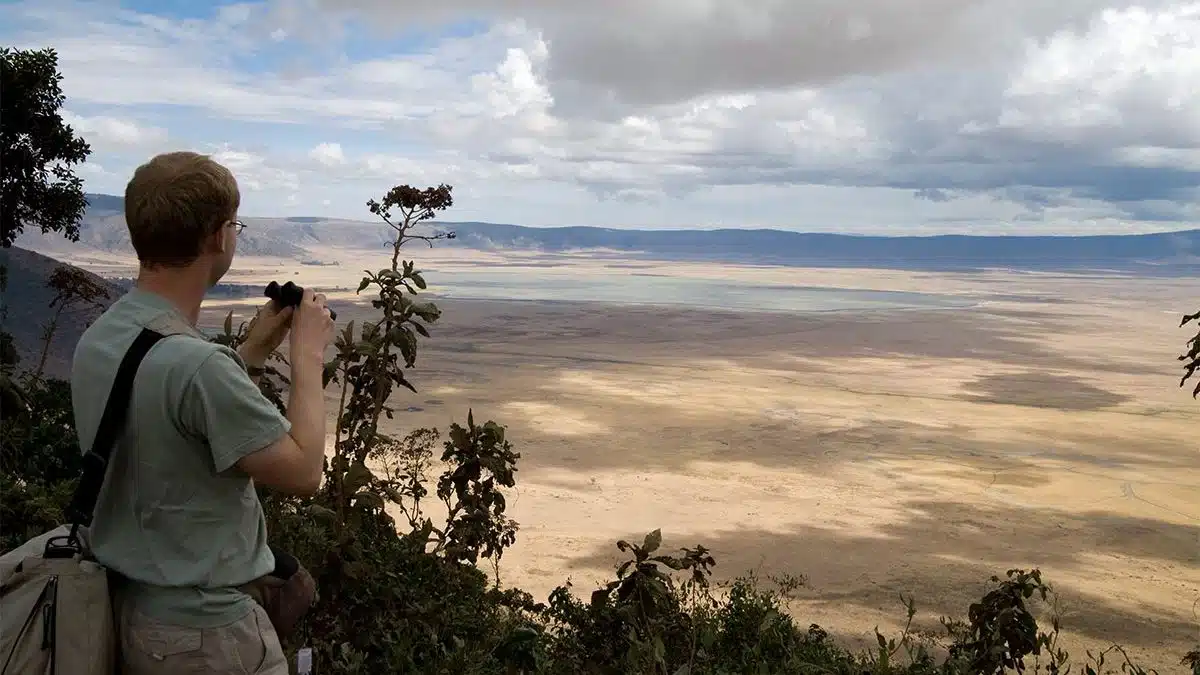
Within the wider conservation area, the crater floor itself is subject to considerably stricter rules than the surrounding multiple use landscape, since grazing and habitation are excluded from the enclosed caldera specifically due to its ecological sensitivity and dense wildlife concentration. This creates a layered system within a single protected area: the broader conservation area permits pastoralist activity, while the crater floor at its centre functions much like a strictly protected national park in practice, even though it remains under NCAA rather than TANAPA jurisdiction throughout, a nuance worth understanding before assuming the entire conservation area follows one uniform rule set.
UNESCO World Heritage Status
Ngorongoro Conservation Area holds UNESCO World Heritage status specifically as a mixed site, recognised both for its natural wildlife and geological significance and for its ongoing human cultural landscape, a designation that reflects its multiple use model directly. Most of Tanzania’s national parks do not carry this same mixed designation, since their strictly protected status excludes the kind of permanent human presence that qualifies a site for recognition on cultural as well as natural grounds, making Ngorongoro’s listing genuinely distinctive within the wider northern circuit of parks and conservation areas.
Wildlife Behaviour: Resident vs Migratory
The Ngorongoro Crater’s enclosed geography traps its large mammal population within the caldera year round, producing a genuinely resident, non migratory population of roughly 25,000 animals that never leaves regardless of season. The Serengeti and other national parks, by contrast, host the seasonal wildebeest migration, a fundamentally different pattern in which the same species move across vast distances following rainfall and grazing conditions. This difference matters directly for trip planning, since timing a Serengeti visit around the migration calendar is essential, while a Ngorongoro visit reliably delivers broadly consistent wildlife density in any given month of the year, removing much of the seasonal guesswork that a Serengeti itinerary otherwise requires.

Entry Fees and What They Cover
NCAA and TANAPA maintain separate, independently set fee schedules, and a visitor moving between Ngorongoro and a TANAPA administered park such as the Serengeti pays fees to each authority separately rather than a single combined charge. Ngorongoro also applies a distinct crater service fee specifically for descending onto the crater floor, a charge with no direct equivalent in the standard national park fee structure, reflecting the additional layer of management the enclosed caldera requires beyond the general conservation area entry fee that already applies to the wider landscape, a distinction worth clarifying with a tour operator before assuming a single quoted price covers every stage of a combined itinerary.
Camping and Accommodation Rules
Camping options differ meaningfully between the two categories, with Ngorongoro Conservation Area operating a single public campsite alongside a network of exclusive use special campsites, a considerably more limited setup than the broader range of public campsites available in several national parks. Lodge and camp development within Ngorongoro is also more tightly concentrated on the crater rim specifically, whereas national parks such as the Serengeti spread accommodation across multiple distinct sectors of a much larger protected area, giving visitors a wider geographic choice of where to base themselves for a multi day stay.
Activities Permitted in Each Category
Cultural visits to Maasai villages and bomas are a genuine, regularly available activity within the Ngorongoro Conservation Area precisely because the multiple land use model permits ongoing human settlement, an activity that has no direct parallel inside a strictly protected national park where no resident community exists to visit. Walking safaris in the Ngorongoro Highlands are similarly available in specific zones of the conservation area, reflecting a generally more varied set of permitted activities outside the crater floor itself compared with the more standardised game drive focus of most national parks elsewhere on the northern circuit.
Governance Challenges Unique to the Multiple Use Model
Balancing conservation, tourism and the needs of resident pastoralist communities within a single protected area has proven a genuinely difficult and, at times, contested policy challenge for the Ngorongoro Conservation Area Authority, a tension that simply does not arise in the same way within a strictly protected national park with no resident population to manage alongside wildlife and tourism. Visitors are unlikely to encounter this policy dimension directly on a standard safari, but it is a meaningful part of why Ngorongoro’s management model differs so fundamentally from that of a conventional park, and it is one reason the conservation area’s governance receives more ongoing scrutiny than that of a typical TANAPA park.
Geography and Scale Compared
Ngorongoro Conservation Area covers roughly 8,300 square kilometres in total, of which the crater itself accounts for only about 260 square kilometres, meaning the vast majority of the conservation area lies outside the caldera across highland plains, forest and the Ndutu plains that spill into the wider Serengeti ecosystem. The Serengeti National Park, by comparison, covers a considerably larger area again, close to 14,750 square kilometres, giving a sense of scale for why the two protected areas, despite sitting adjacent to one another, offer such different types of landscape and wildlife viewing experience across a typical multi day itinerary.
How Rangers and Guiding Differ Between the Two
Rangers and guides operating within Ngorongoro must be familiar with both the strict rules governing the crater floor itself and the more varied regulations covering the wider conservation area, including areas where pastoralist activity continues alongside tourism. A guide working exclusively within a TANAPA national park operates under a comparatively more uniform rule set throughout the park, since the entire protected area follows the same strictly protected model rather than the layered system Ngorongoro requires, which is one reason experienced Ngorongoro specific guides are genuinely valued within the wider northern circuit guiding community.
How This Affects a Combined Itinerary
Most northern circuit itineraries move between Ngorongoro and one or more TANAPA parks, typically the Serengeti and Tarangire, within the same trip, and travellers should expect this to mean separate fee payments, a change in the type of landscape and permitted activity, and a shift from the resident wildlife pattern of the crater to the migratory pattern of the Serengeti. None of this requires any special action from the traveller directly, since a competent tour operator handles the fee and permit differences transparently as part of a standard itinerary.
How Conservation Is Funded in Each Category
Tourism revenue plays a central role in funding both types of protected area, but the mechanics differ, since TANAPA pools park fee revenue across its entire national park network to support parks with lower visitor numbers, while the NCAA retains and reinvests fees specifically within the Ngorongoro Conservation Area itself. This difference reflects Ngorongoro’s status as a single, self contained authority rather than one park among many under a shared national umbrella, and it is part of why the conservation area’s fee structure has developed somewhat independently of the standard TANAPA schedule over the years.
Why the Distinction Rarely Affects the Visitor Experience Directly
For the average visitor moving through a well organised itinerary, the practical difference between Ngorongoro and a national park amounts mainly to what can be seen on the drive in, cattle and homesteads in the conservation area, none in a park, and the specific activities available beyond the standard game drive. The core safari experience, a knowledgeable guide, a well maintained vehicle and access to genuinely excellent wildlife viewing, remains consistent across both categories, since both are managed to a high standard within their respective mandates, and most travellers move seamlessly between the two without noticing the underlying administrative distinction at all.
Common Misunderstandings Worth Clearing Up
A frequent misconception is that Ngorongoro Crater is itself a national park, a label used loosely in casual conversation and even in some marketing material despite being technically inaccurate given its NCAA administration and multiple use designation. Another common assumption is that fees and rules are interchangeable between Ngorongoro and nearby TANAPA parks, when in practice each authority sets its own schedule independently, occasionally leading to confusion when a traveller expects a single combined park fee to cover both, particularly on a first visit without a tour operator managing the logistics directly.
Looking Ahead to the 2026 and 2027 Seasons
The structural distinction between Ngorongoro’s multiple land use model and Tanzania’s strictly protected national parks is a matter of long standing legislation rather than a policy detail likely to shift season to season, so the guidance above will remain accurate for travel planned across the 2026 and 2027 calendar years. Travellers building a combined itinerary for either year should continue to expect separate fee schedules and distinct permitted activities between the two categories, exactly as has been the case for decades, and should rely on a knowledgeable tour operator to navigate the practical differences rather than assuming the two systems can be treated identically.


