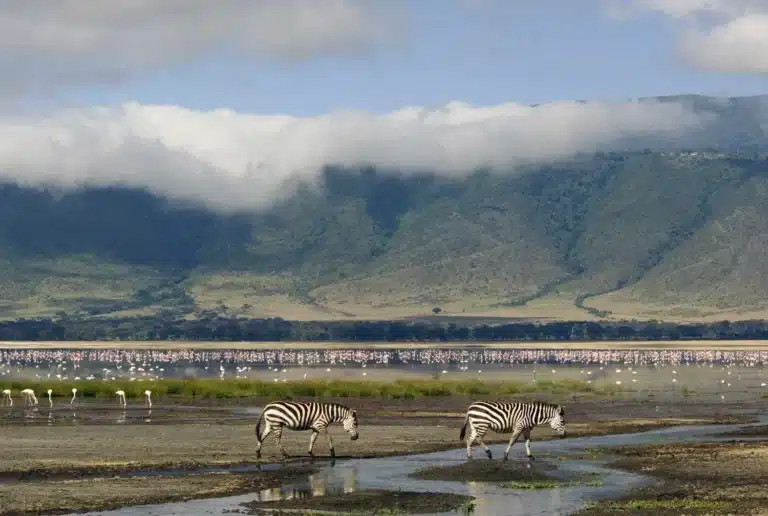
Serengeti in May is the month the long rains finally begin to ease, leaving behind a landscape that is lush, quiet and genuinely underrated. It sits in an odd position commercially, too late to be marketed as green season bargain territory the way April is, too early for the dry season crowds that begin building from June onward, and the result is a month that often gets skipped over in planning despite offering some of the best value and least crowded wildlife viewing of the entire year.
Weather in May, Precisely
May sees rainfall drop meaningfully from April’s peak, typically to around 60 to 70 millimetres across the month, with rain days falling to somewhere between twelve and fifteen. Daytime temperatures cool slightly further, generally 26 to 27 degrees Celsius, with overnight lows around 15 degrees Celsius, and by the second half of the month clearer skies become noticeably more frequent than the persistent cloud cover of April. This is best understood as a transition month rather than either a wet or dry one outright: the first half can still deliver a proper storm, while the final week or two often previews the dry, clear conditions that define June onward.
Where the Herds Are in May
May is when the wildebeest migration genuinely gets moving in earnest. Having spent April drifting through the central plains around Seronera, the herds begin funnelling toward the Western Corridor and the Grumeti River in columns that can stretch for many kilometres, among the more visually striking phases of the entire migration despite receiving far less attention than the Mara River crossings later in the year. This is also the peak of the rutting season, with males competing vigorously for mating rights, adding a layer of dramatic behaviour to sightings that is largely absent earlier in the year. The exact position of the main herd varies with rainfall, but the Western Corridor and the approach to the Grumeti are the areas to focus on through most of May.
The Grumeti River in May
While the most famous river crossings belong to the Mara River further north later in the year, the Grumeti River in the Western Corridor can see early crossing activity from May onward as the front of the herd reaches its banks. These crossings tend to be smaller and less predictable than the Mara equivalents, and the Grumeti’s resident crocodile population, some of the largest in the ecosystem, makes any crossing that does occur a genuinely dramatic sighting. Visitors specifically hoping for a crossing in May should treat it as a possibility rather than a certainty and set expectations accordingly.

Crowd Levels and Value
May remains one of the quietest months on the Serengeti calendar, with vehicle density at popular sightings still low and rates at most camps sitting well below the peak season figures that apply from June onward. This makes May a genuinely strong choice for travellers who want the dry season’s improving weather without the dry season’s crowds and pricing, particularly in the final two weeks of the month when conditions have largely cleared but demand has not yet caught up.
Booking Lead Times
Camps across the central Serengeti and Western Corridor typically remain easy to book two to four months ahead in May, with considerably more flexibility than the June through October window that follows. Travellers planning a 2027 season trip with some scheduling flexibility often find May delivers close to dry season conditions at green season availability and pricing.
Photography Conditions
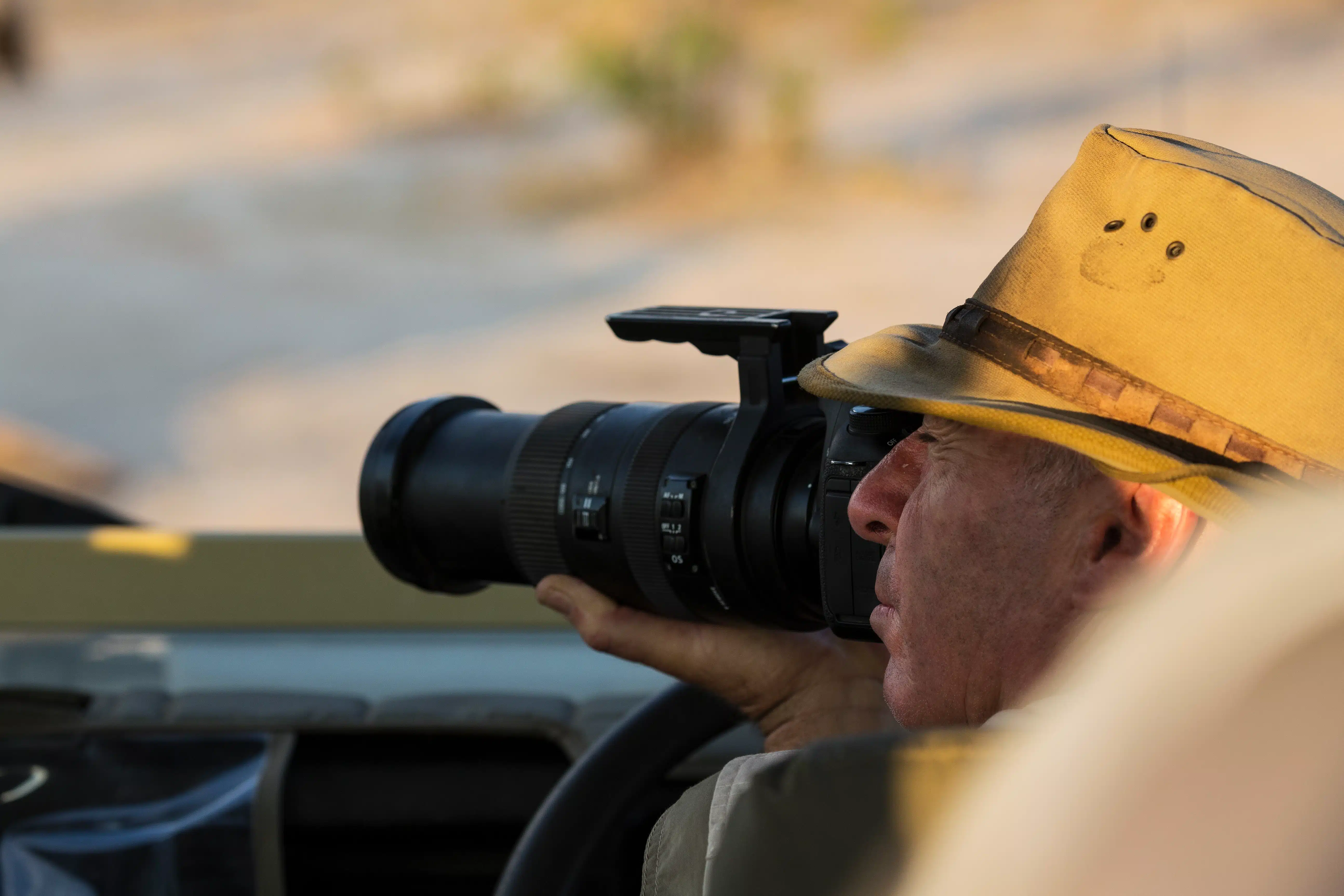
May offers a genuinely appealing middle ground for photography: enough residual cloud and green landscape early in the month to retain the dramatic quality of the rains, transitioning toward clearer skies and better visibility as the month progresses. The build up toward the Grumeti and the rutting behaviour among the wildebeest both offer strong subject matter, and the reduced vehicle density at sightings makes for less crowded, more considered photography than the busier months later in the year.
What to Pack for May
Early May still calls for a rain layer given the possibility of storms carrying over from April, while later in the month lighter layers become more appropriate as conditions dry out. Footwear that can handle both residual mud early in the month and drier ground later is a sensible middle ground, and overnight temperatures cool enough by this point that a proper warm layer for early morning game drives is worth prioritising over the lighter clothing suited to the warmer months earlier in the year.
Getting Around in May
Road conditions improve steadily through May as the ground dries out, though early in the month some routes across the central and western Serengeti can still be affected by residual mud from April’s rains. By the second half of May, road transfers are generally reliable again, and this is a reasonable month to consider a road safari between parks rather than relying exclusively on fly-in transfers.
Combining May With the Western Corridor
Because May places the main herd firmly in and around the Western Corridor, this is a strong month to base a portion of a trip specifically in that zone rather than the more commonly visited central Seronera area. Camps in the Western Corridor tend to be quieter year round, and in May specifically they sit close to the most significant wildlife movement in the park, offering a genuinely different Serengeti experience from the central plains.
Who Should Choose May
May suits travellers who want strong value and low crowds without accepting the wettest conditions of April, and who are specifically interested in the migration’s build up toward the Grumeti River and the dramatic rutting behaviour that accompanies it. It suits photographers who want dry season clarity without dry season crowds, particularly toward the end of the month. It suits less well anyone determined to witness a major river crossing, since May’s Grumeti activity is a possibility rather than a guarantee, and anyone travelling in the first half of the month who is unwilling to accept a residual chance of rain. Taken as a whole, May is arguably the most overlooked genuinely excellent month on the Serengeti calendar, offering serious wildlife drama at a fraction of the cost and crowding of the months either side of it.