★★★★★ Excellent — TripAdvisor & Google

Try: Serengeti · Kilimanjaro Lemosho · Zanzibar · Family Safari

Wildlife Identification Charts

Know What You're Looking At Before You Look Through the Binoculars

Field marks, behavior notes, and best sighting locations for the mammals, birds, and marine life you'll actually encounter across Tanzania and Kenya.

Recognition Turns Sightings Into Understanding

A Reference, Not a Replacement for Your Guide

Your guide will identify almost everything you see. This is here so you can meet that expertise halfway, recognizing a rosette from a solid spot, or a Grant's gazelle from a Thomson's, before someone has to explain it to you in the field.

It's organized by group: the Big Five, other predators, antelope, primates, birds, and coastal marine life. Skim the sections for wherever you're actually headed rather than trying to absorb all of it at once.

Safari's Original Icons

The Big Five

Named by hunters for how difficult and dangerous they were to track on foot, not for rarity. All five are now primarily observed, not hunted.

African Lion

African Lion

Panthera leo

Identification

  • Males carry a mane from blonde to black; females are smaller and maneless
  • Tawny to golden coat, white underparts, dark tail tuft
  • Cubs are spotted, fading to solid color with age

Behavior

Lions rest for most of the day, so an active hunt is a genuine privilege to witness. Prides are built around related females and their cubs, with a coalition of males holding territory.

Best odds: Serengeti's central and western corridors, Ngorongoro Crater floor, the Maasai Mara's open plains, Ruaha's river valleys.
African Leopard

African Leopard

Panthera pardus

Identification

  • Rosettes, rings of spots around a central spot, distinct from a cheetah's solid spots
  • Pale yellow to deep gold coat, white underbelly, muscular build

Behavior

Mostly nocturnal and solitary, so daytime sightings are usually a single animal resting in a tree, often with a cached kill nearby to keep it from lions and hyenas.

Best odds: Serengeti's Seronera Valley, Lake Manyara's groundwater forest, Samburu's acacia woodlands, Ruaha's rocky kopjes.
African Elephant

African Elephant

Loxodonta africana

Identification

  • Concave back distinguishes it from the (unrelated) Asian elephant
  • Large ears shaped roughly like the African continent
  • Both sexes can carry tusks, though size varies widely by individual

Behavior

Family groups follow a matriarch's lead. Males typically leave at adolescence to form bachelor groups or go solitary. Trunk dexterity allows remarkably precise feeding and drinking.

Best odds: Tarangire in the dry season, Amboseli with Kilimanjaro as a backdrop, Ruaha's populations.
Rhinoceros

Rhinoceros

Black and white species

Identification

  • Black rhino: hooked, prehensile lip for browsing on bushes
  • White rhino: wide, square lip for grazing grass
  • Both are actually gray; the names come from a translation mix up, not coat color

Behavior

Both species have poor eyesight but keen hearing and smell. Mothers are fiercely protective of calves. Both remain under serious poaching pressure, so a sighting is genuinely precious.

Best odds: Ngorongoro Crater (black rhino), Ol Pejeta Conservancy (both species), Lake Nakuru.
African Buffalo

African Buffalo

Syncerus caffer

Identification

  • Massive curved horns meeting at a central "boss" in mature males
  • Dark brown to black coat, large hair fringed ears

Behavior

Herds can number in the hundreds during dry season concentrations. Older males who've left the herd, sometimes called "dagga boys," are solitary and considered especially unpredictable, which is part of why buffalo have a fearsome reputation among guides.

Best odds: Serengeti's northern reaches, Katavi's large herds, Nyerere's river systems, the Maasai Mara.
Beyond the Big Five

Other Predators Worth Knowing

East Africa's carnivore cast runs from the world's fastest sprinter to a much misunderstood pack hunter.

Cheetah

Cheetah

Acinonyx jubatus

Identification

  • Solid black spots, not rosettes, and a distinctive black "tear line" from eye to mouth
  • Slender build with a small, high set head, built for speed rather than power

Unlike the mostly nocturnal leopard, cheetahs hunt by day, relying on acceleration rather than strength.

Spotted Hyena

Spotted Hyena

Crocuta crocuta

Identification

  • Sloping back, front noticeably higher than the rear
  • Large rounded ears, powerful jaw and neck

Clans are matriarchal, with females larger and dominant. They're accomplished hunters in their own right, not just scavengers, despite the reputation.

African Wild Dog

African Wild Dog

Lycaon pictus

Identification

  • Mottled black, white, and tan coat, unique to each individual
  • Large rounded ears, white tipped tail, four toes per foot

Africa's most endangered large carnivore. Estimates of hunting success vary by study and habitat, but pack coordination consistently makes them among the most effective hunters on the continent, well above lions.
Smaller Predators Worth Recognizing

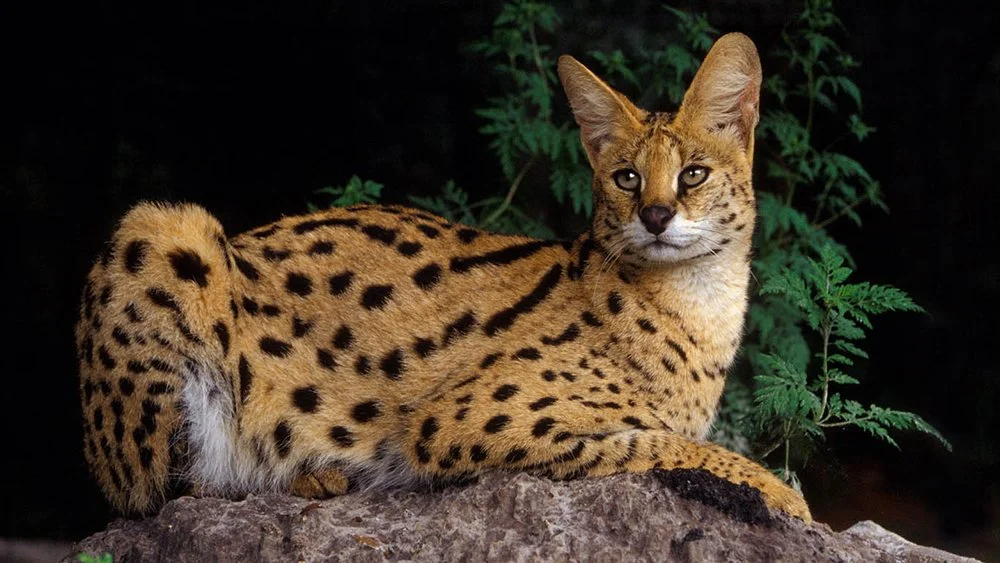
Serval
Servallong legged spotted cat of tall grassland, an excellent rodent hunter
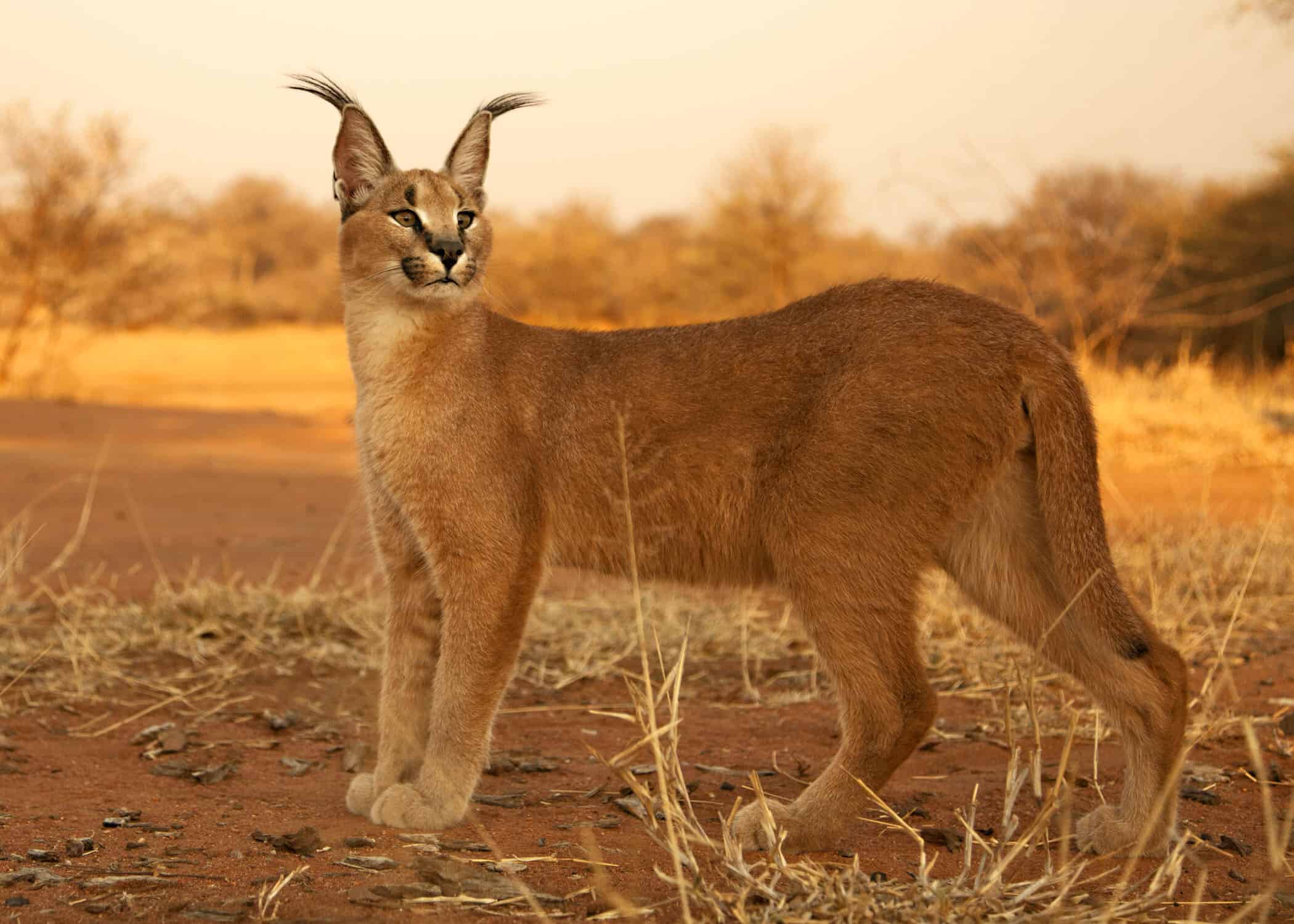
Caracal
Caracaldesert lynx with distinctive ear tufts and remarkable athleticism
African Wildcat
African Wildcatancestor of the domestic cat, often seen near settlements
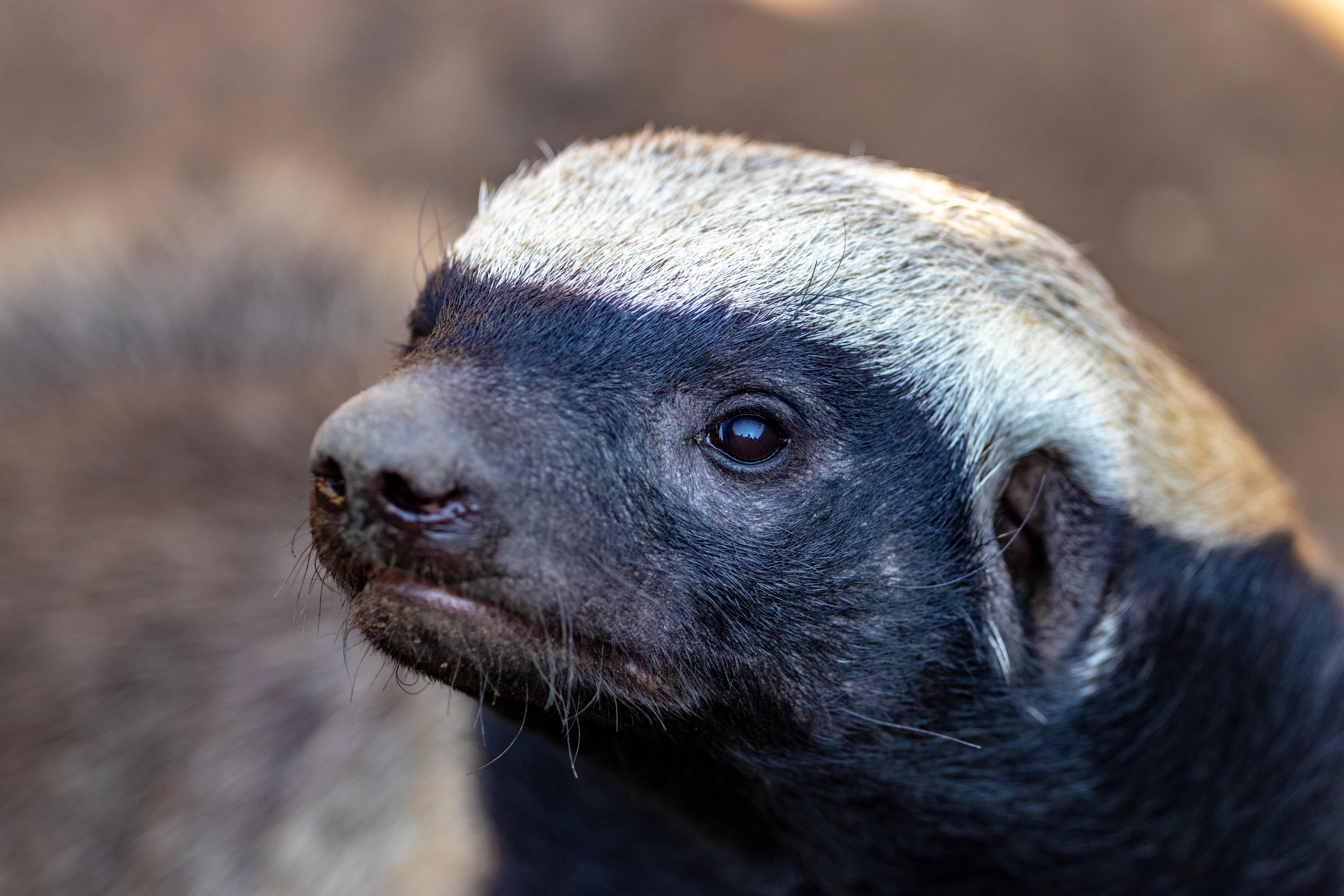
Honey Badger
Honey Badgersmall mustelid with an outsized reputation for fearlessness
The Most Diverse Group on Any Safari

Antelope and Gazelle

From an eland the size of an ox to a dik-dik you could carry under one arm, size alone tells you a lot before you even reach for the horns and markings.

Large Antelope

Common Eland
Common Elandthe largest antelope, ox like build, spiral horns, a heavy dewlap
Greater Kudu
Greater Kudumales carry magnificent spiral horns, striped sides, white facial chevron
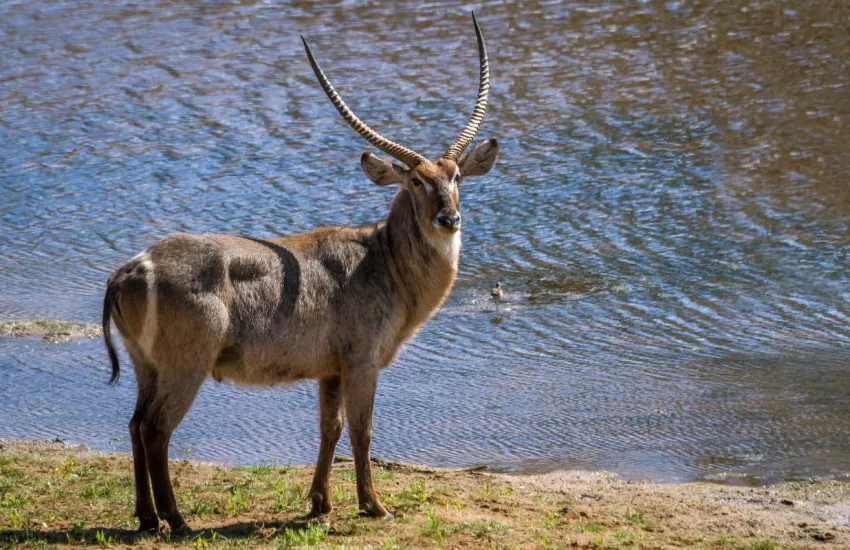
Waterbuck
Waterbuckshaggy gray brown coat with a distinctive white ring on the rump
Hartebeest
Hartebeestlong face, bracket shaped horns, reddish tan coat

Medium Antelope

Wildebeest
Wildebeestdark mane and curved horns, the main character of the migration
Impala
Impalareddish brown, black tipped ears, black lines on the rump, safari's most common antelope
Grant's Gazelle
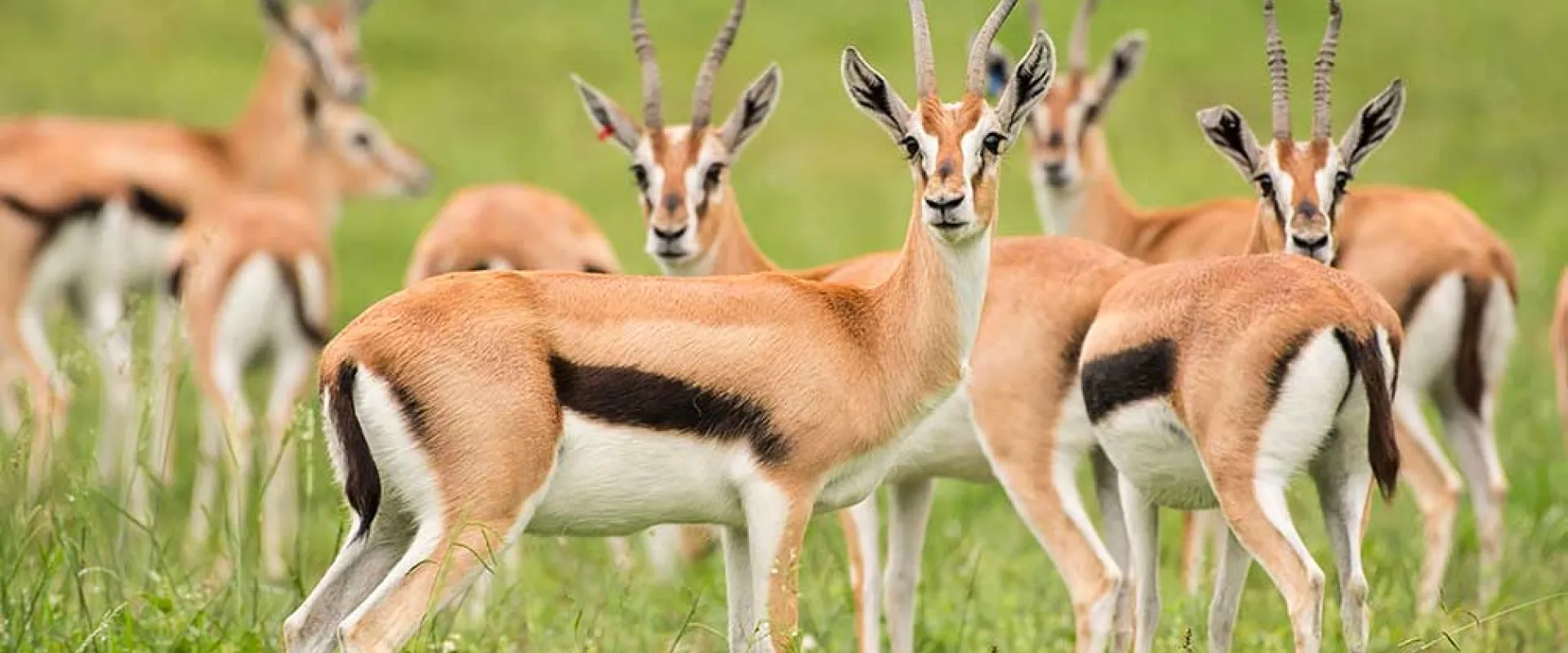
Grant's Gazellelarger than Thomson's, white extends above the tail
Thomson's Gazelle
Thomson's Gazellesmaller, black side stripe, white does not extend above the tail

Small Antelope

Kirk's Dik-dik
Kirk's Dik-diktiny, an elongated nose and large eyes, often seen in pairs
Klipspringer
Klipspringerrocky habitat specialist that walks on the tips of its hooves
Oribi
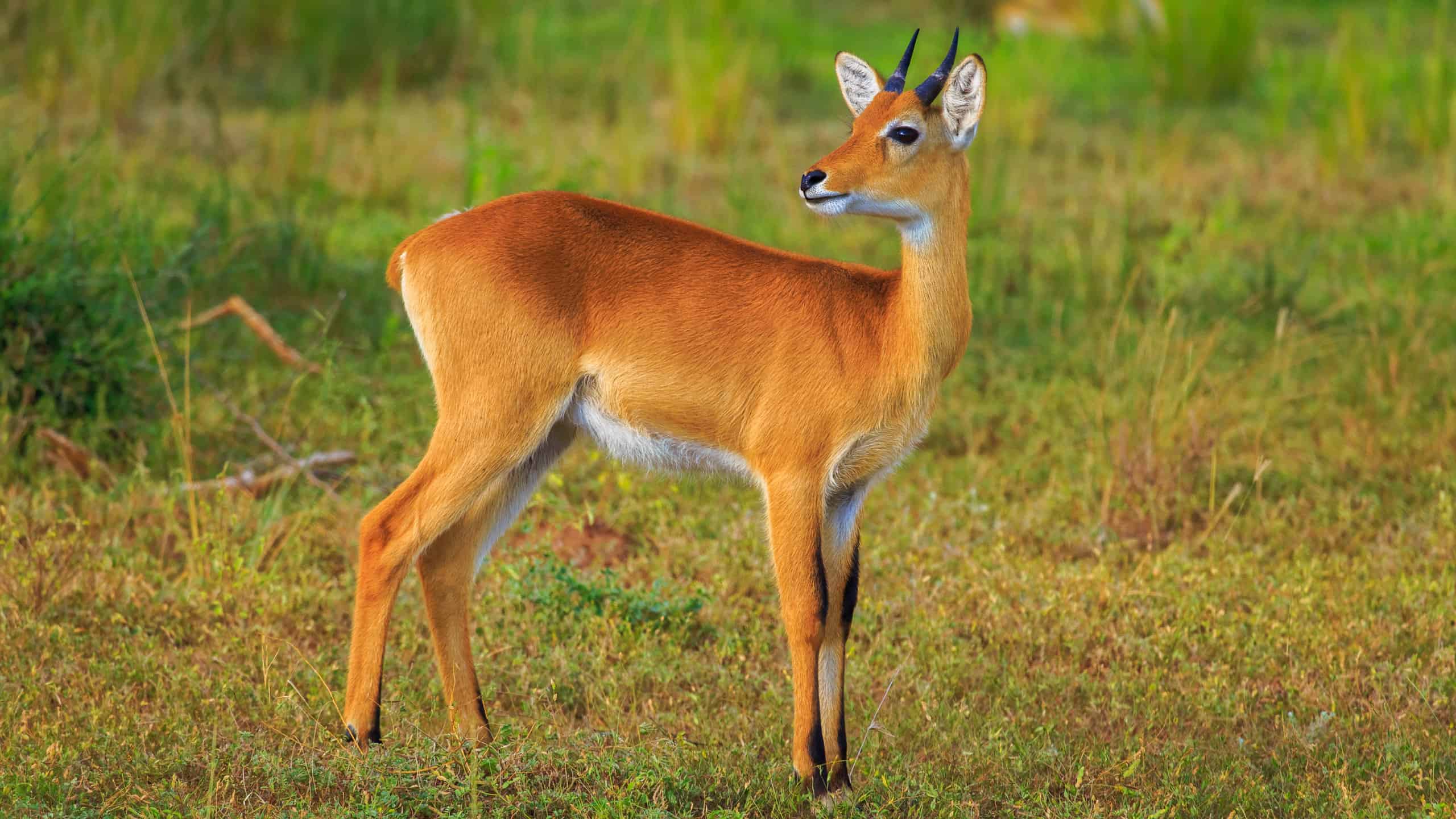
Oribismall with a silky golden coat; only males carry short horns
Steenbok
Steenbokreddish fawn coat, large ears, generally solitary
From Great Apes to Tiny Prosimians

Primates

Great Apes You Can See in Tanzania

Chimpanzee
Chimpanzeefound in Mahale and Gombe, with complex tool use and social behavior, and close genetic kinship to humans

A separate destination, not a Tanzania or Kenya sighting: Mountain gorillas live only in Rwanda, Uganda, and the Democratic Republic of Congo, not in Tanzania or Kenya. Some guests combine a Tanzania safari with a separate gorilla trekking add on in Rwanda, but it's a distinct trip with its own permits and logistics, worth discussing with your consultant directly rather than assuming it folds into a standard itinerary.

Old World Monkeys

Olive Baboon
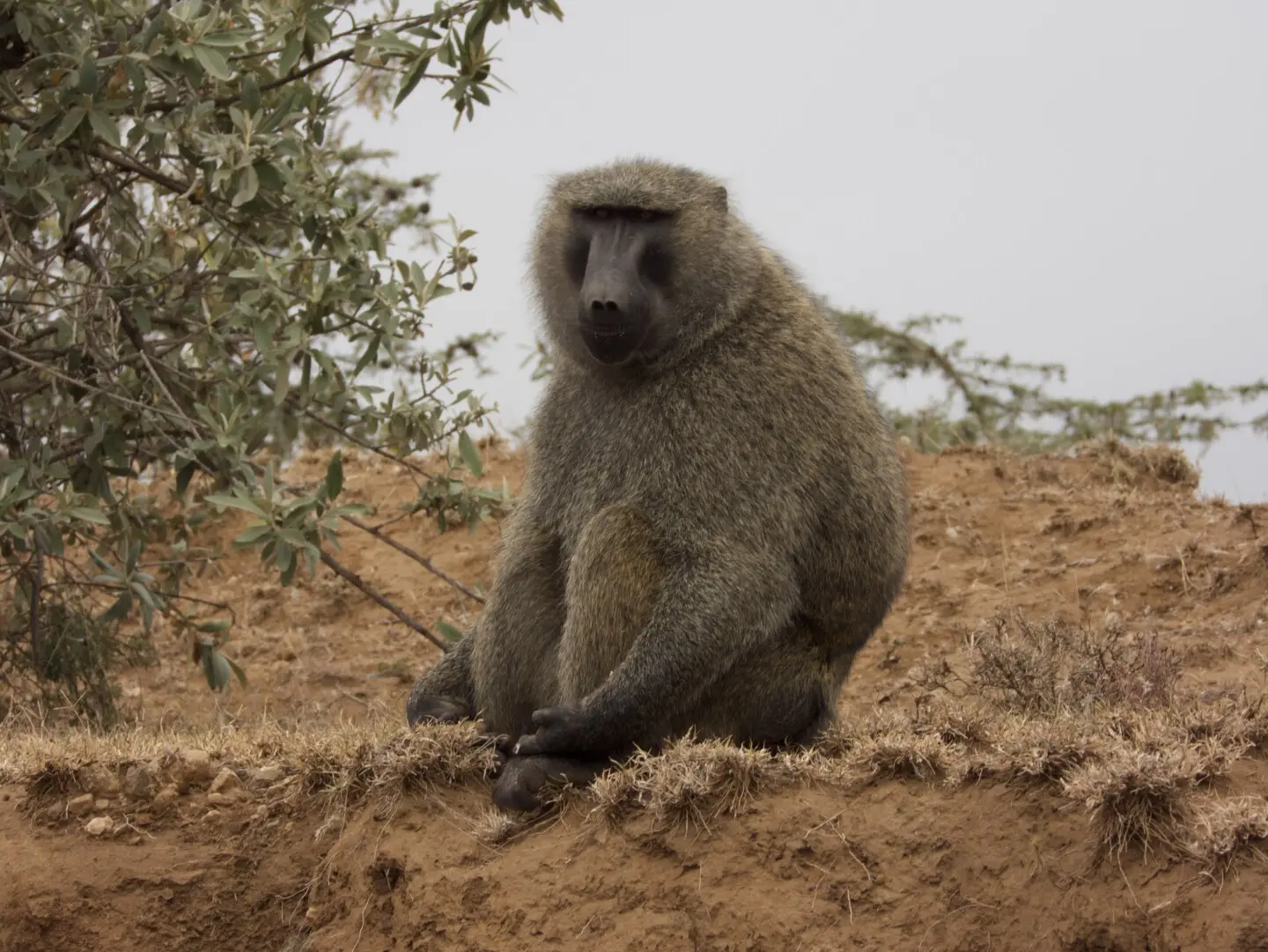
Olive Baboonlarge troops with a complex hierarchy, omnivorous
Vervet Monkey
Vervet Monkeygray coat with a black face, common around lodges
Blue Monkey
Blue Monkeydark face, grayish body, a forest specialist
Black and White Colobus
Black and White Colobusstriking long tail, found in forested areas

Prosimians

Bushbaby (Galago)
Bushbaby (Galago)nocturnal, enormous eyes, a distinctive call heard more often than the animal is seen
A Region Rich Enough to Reward Any Level of Interest

Signature Birds

The combined bird life of Tanzania and Kenya runs well over a thousand species, far more than any single chart could cover. These are the ones worth knowing by name.

Standouts

Lilac-breasted Roller
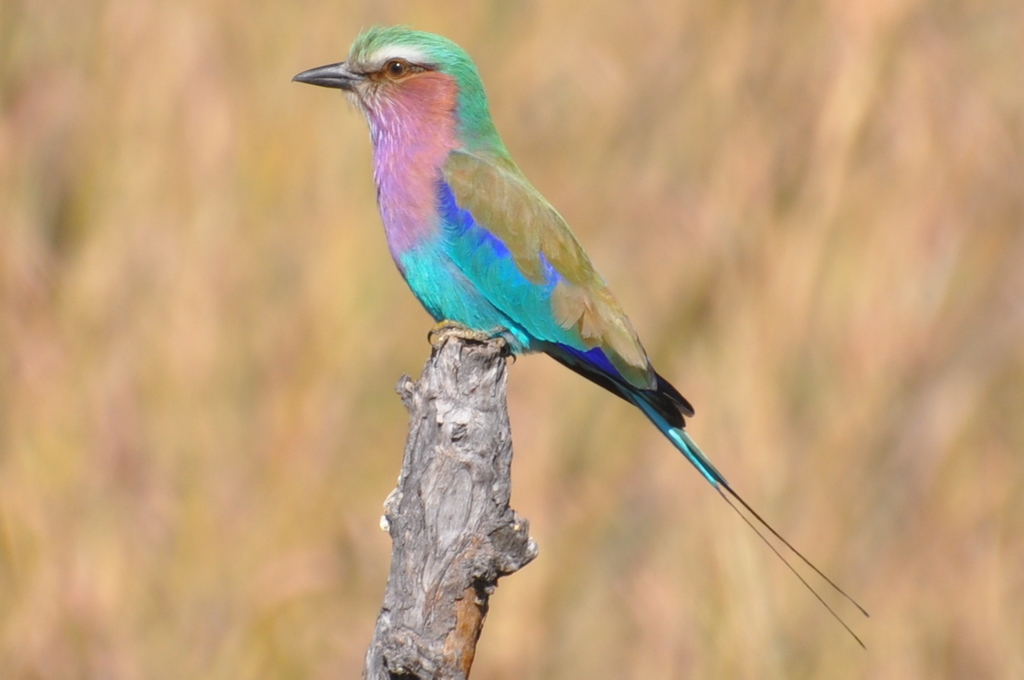
Lilac-breasted Rolleroften called Africa's most beautiful bird, with iridescent plumage and aerial display flights
Secretary Bird
Secretary Birda raptor that hunts on foot, with distinctive head plumes
Grey Crowned Crane
Grey Crowned Cranegolden crown feathers and an elaborate courtship dance
Martial Eagle
Martial EagleAfrica's largest eagle, powerful enough to take small antelope

Vultures

Rüppell's Vulture
Rüppell's Vulturea high altitude specialist, critically endangered
White-backed Vulture
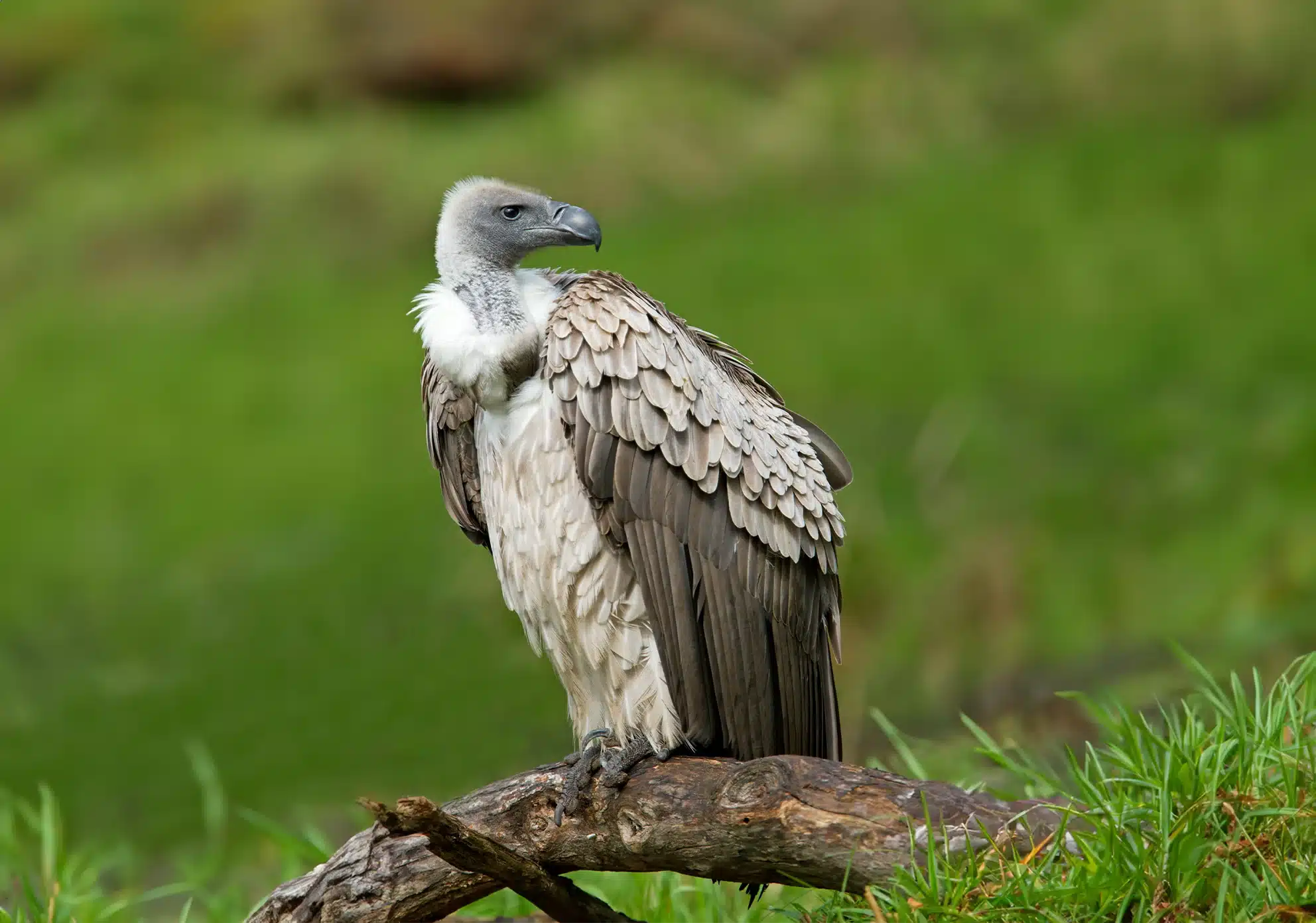
White-backed Vulturethe most commonly seen species, white patch visible in flight
Lappet-faced Vulture
Lappet-faced Vulturethe largest African vulture, with a massive bill

Water Birds

African Fish Eagle
African Fish Eaglean unmistakable call, chestnut and white plumage
Saddle-billed Stork
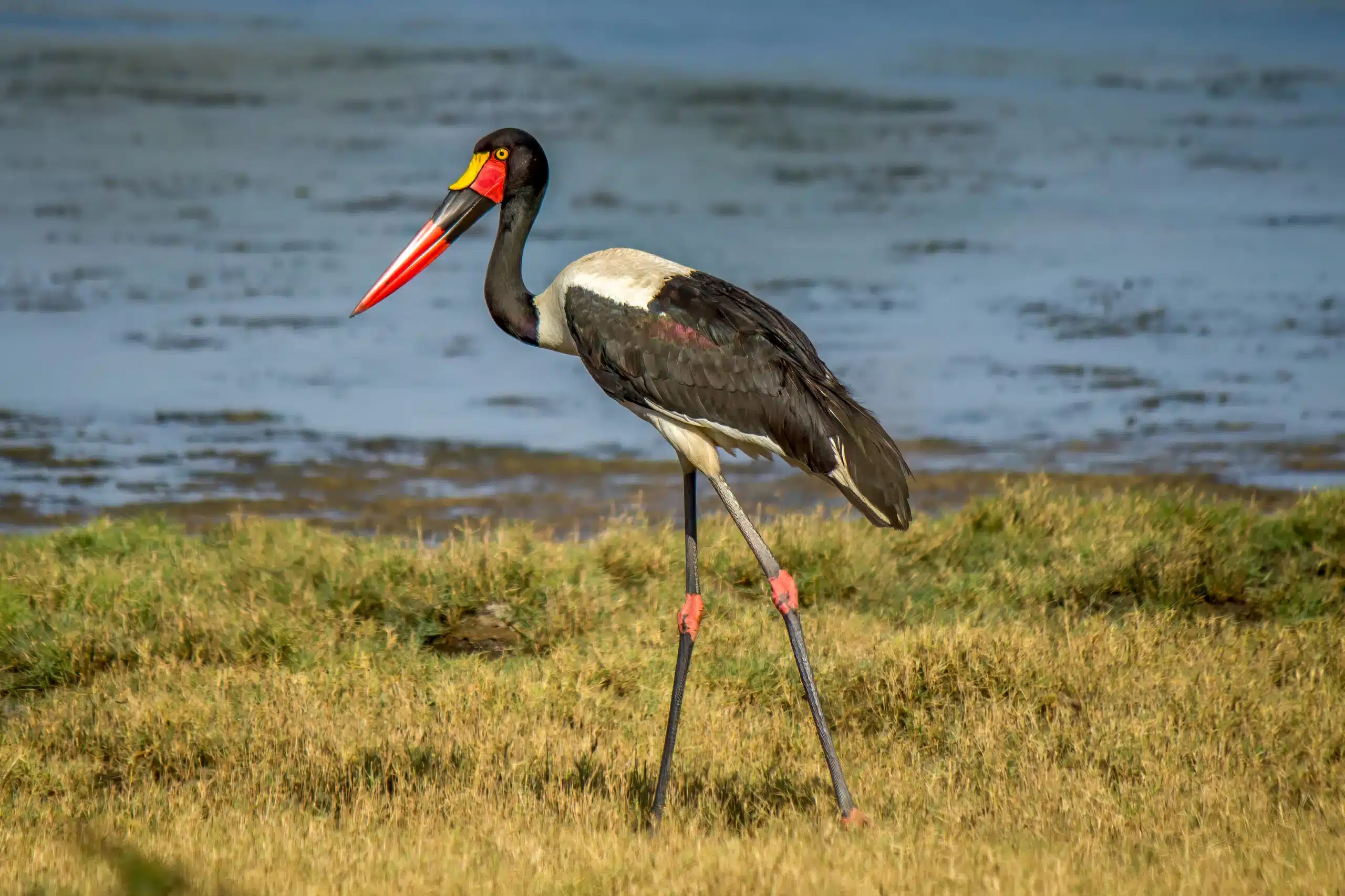
Saddle-billed Storka bold yellow saddle on an otherwise black and white bird
Lesser and Greater Flamingo
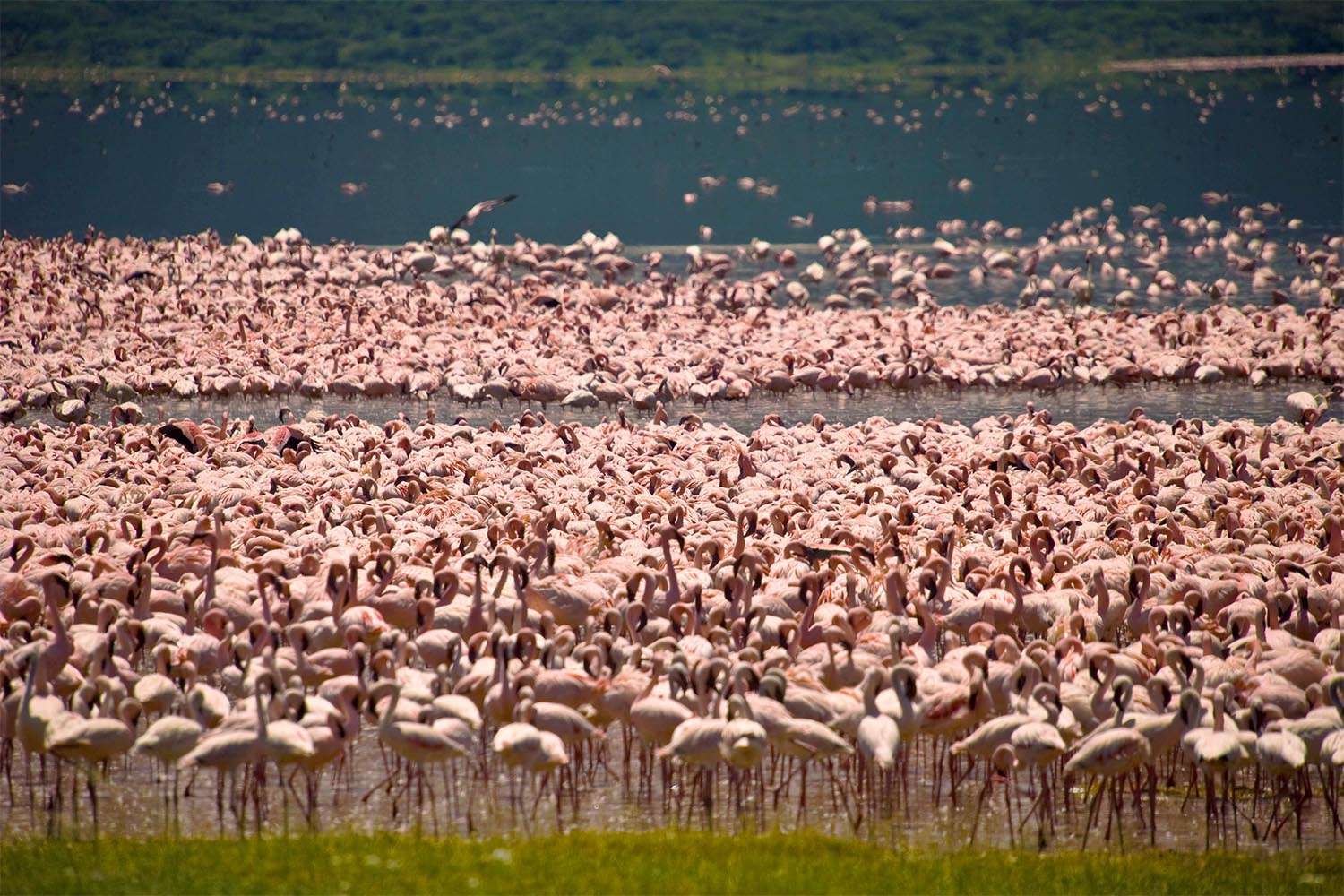
Lesser and Greater FlamingoRift Valley lake specialists, spectacular in large flocks
For Zanzibar and the Kenya Coast

Marine Life

Coastal extensions call for a different identification skill set entirely.

Green Sea Turtle
Green Sea Turtleherbivorous, rounded head, common in Zanzibar's waters
Hawksbill Turtle
Hawksbill Turtlepointed beak, overlapping shell scutes, critically endangered
Bottlenose and Spinner Dolphins
Bottlenose and Spinner Dolphinsregularly seen off Kizimkazi, Zanzibar
Humpback Whale
Humpback Whalea seasonal visitor to the East African coast, roughly July through September
Whale Shark
Whale Sharkthe world's largest fish, a filter feeder that's entirely harmless despite its size, seasonal at Mafia Island roughly October through March
Getting the Most From This Reference

Before, During, and After Your Safari

Before you go: skim the sections that match your actual itinerary rather than the whole page. Traveling with family or friends works well as shared pre trip reading.

During your safari: use clock positions or landmarks when pointing something out to your guide, "lion at two o'clock" travels much better from a moving vehicle than pointing.

Keep a running list: jotting down what you've actually seen becomes both a communication tool with your guide and a genuinely nice souvenir once you're home.

Common Questions

Frequently Asked Questions

Do I need to memorize all of this before my trip?

No. Focus on whatever's likely at your specific destinations. Your guide will identify almost everything for you regardless, this is here to help you meet that expertise partway, not replace it.

What about species that aren't covered here?

This page covers commonly encountered species, but East Africa hosts hundreds more than any single reference can hold. Your guide can identify anything unusual you come across, and dedicated birding or wildlife guides go far deeper if that's a specific interest of yours.

Can I print this for the vehicle?

Yes, the print button below uses your browser's own print function, so you can take a paper copy with you.

Take It With You

Print a Copy, or Talk Through What You Most Want to See

Knowing what to look for is half the fun. The other half is choosing an itinerary that actually puts you where those species are.