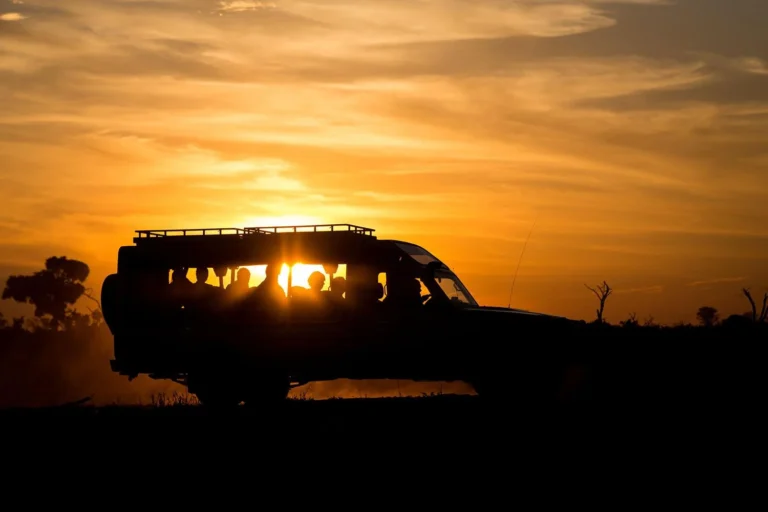
Mobile camps in the Serengeti move because the wildlife they are built around does not stay in one place. Unlike a permanent lodge, which occupies a fixed site year-round regardless of where the herds happen to be, a mobile camp physically relocates, sometimes twice within a single year, to stay close to whichever phase of the great migration is unfolding in a given month. This is a genuinely distinctive model within African safari tourism, and understanding how and why these camps move, rather than simply that they do, explains both their appeal and their limitations.
What “Mobile” Actually Means in Practice
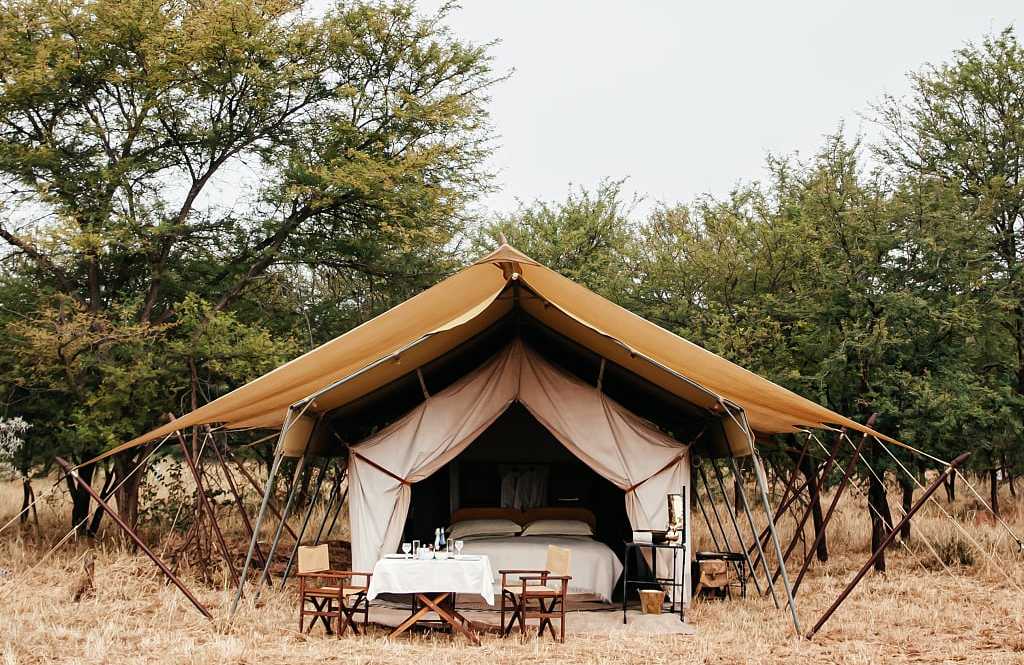
A mobile camp is not a permanent structure with removable walls; it is closer to a fully dismantlable small village. Canvas tents, timber decking or simple groundsheets, a mess tent, kitchen and staff quarters are packed onto trucks and driven, sometimes over considerable distances and rough terrain, to a new site that has been scouted and cleared in advance. A full relocation for a camp of eight to twelve tents typically takes several days of dedicated staff work, moving in stages so that guests already booked at the old site are never left without a functioning camp, before the new location is ready to receive its first arrivals. This is genuinely different from the kind of camp that markets itself as seasonal but is, in practice, simply closed and reopened on the same fixed platform each year; a true mobile operation changes location entirely.
The Migration Calendar That Drives the Moves
The wildebeest migration follows a broadly predictable, though not perfectly fixed, annual pattern, and mobile camps are positioned against it. From December through March, the migration concentrates on the short grass plains around Ndutu in the southern Serengeti and neighbouring Ngorongoro Conservation Area, where calving takes place, and mobile camps such as Nomad’s Serengeti Safari Camp position themselves in this southern zone for the season. As the rains ease and the herds begin moving north, camps operating in the western corridor relocate toward the Grumeti River area to be close to the smaller crossings that typically occur there in May and June. By July, the main body of the migration is pushing into the northern Serengeti toward the Mara River, and camps reposition again to sites near Kogatende and the Lamai Wedge for the crossing season that runs through October. A single well-run mobile operation may therefore occupy three distinct sites across a calendar year, each timed to be within a short drive of that month’s most likely wildlife activity.
Why Permanent Camps Cannot Do the Same Thing
It is worth being precise about why this model is unique to mobile operations rather than something any camp could adopt. Permanent lodges are built with concrete foundations, mains or generator-fed electrical systems, plumbed bathrooms and often swimming pools, all of which require a fixed site and, in most cases, a long-term lease or concession agreement tied to that specific location. None of this infrastructure can be relocated. A permanent camp’s proximity advantage or disadvantage for any given month is therefore fixed at the point the camp was built, which is precisely the constraint mobile camps are designed to avoid. The trade-off is that mobile camps generally run on generator or solar power for limited hours, use bucket showers or simpler plumbed systems rather than mains water, and offer a more basic, though still genuinely comfortable, level of finish than a permanent lodge charging a similar rate.

The Regulatory Picture in the Northern Zone
Mobile camps operating in the northern Serengeti, closest to the Mara River crossings, have in recent seasons been affected by Tanzania National Parks Authority rules governing exactly where new mobile campsites can be positioned relative to the river itself. These restrictions have, in some cases, pushed newer mobile sites further back from the water than they were previously permitted to sit, narrowing the proximity advantage mobile camps traditionally held over the handful of permanent camps and private concessions with established river frontage in that specific area. This is a genuinely current and evolving situation rather than a fixed rule, and anyone selecting a mobile camp specifically for river proximity during crossing season should confirm the exact site location and its distance from likely crossing points directly with the operator for their specific travel dates, rather than relying on general marketing claims about proximity.
What a Guest Actually Experiences
Life at a well-run mobile camp has a distinct character that differs from a permanent lodge stay in ways beyond the physical facilities. Because the camp itself is smaller, typically six to twelve tents rather than twenty or more rooms, the atmosphere tends to be more intimate, with meals often taken together at a single table rather than at separate seatings. Staff-to-guest ratios are often comparably high to permanent luxury camps, since the same relatively small team manages both the hospitality and the logistics of eventually striking and rebuilding the camp. Because the site itself is new, having been set up specifically for that season, there is generally a lighter physical footprint on the surrounding land than at a location that has hosted guests continuously for decades, which some travellers value as part of a more genuinely wild experience.
Cost Compared With Permanent Camps
Mobile camps are frequently, though not universally, more affordable than equivalent quality permanent luxury lodges, generally running from around 400 to 900 US dollars per person per night on a full board basis, though the most exclusive private concession mobile operations can exceed this considerably. This is not because mobile camps are simply a budget option; smaller, more basic operations sit at the lower end of that range, while highly polished mobile camps on private concessions can command rates that rival permanent luxury lodges. Serengeti park fees of roughly 70 to 83 US dollars per adult per day, and an additional special campsite fee of around 60 to 71 US dollars per person per night for anyone staying inside the park boundary, apply to mobile camp stays in the same way they apply to permanent camps, so these should be added to any nightly rate before comparing options.
Booking a Mobile Camp for a Specific Date
Because a mobile camp’s location shifts by design, booking one requires confirming not just the camp’s general reputation but its exact planned site for the specific week of travel. Reputable operators publish or can confirm their season by season site plan well in advance, and a guest booking eight or more months ahead should expect a clear answer about where the camp will be sitting during their exact dates, including how far that site is from the current likely position of the herds. A camp or agent unable to give a specific answer, offering only general language about “following the migration,” is a signal to ask more pointed questions before committing a deposit, since the entire value proposition of a mobile camp rests on that precise positioning being accurate.
How a New Site Is Chosen and Cleared
Selecting a new mobile camp site is not simply a matter of picking an attractive spot on a map. Operators typically scout potential locations months ahead, assessing proximity to expected wildlife movement based on historical patterns for that time of year, access for supply vehicles, availability of a usable water source or the logistics of trucking water in, and distance from any existing camps to avoid overcrowding a single area. Sites within the national park require approval from TANAPA, and the process of establishing a new campsite, including any necessary clearing of vegetation for tent platforms and vehicle access, is subject to park authority oversight intended to limit the ecological footprint of what is, even at its most minimal, still a temporary settlement housing staff and guests for weeks or months at a time. This scouting and approval process is one reason established operators with decades of experience in a given ecosystem tend to secure better positioned sites than newer operations still building relationships with the park authority.
A Model With No Real Equivalent Across the Border
Tanzania’s mobile camp tradition has no close equivalent in Kenya’s Masai Mara, where the reserve and its surrounding conservancies are managed under a different structure that favours fixed site camps, including within the private conservancies that ring the main reserve. This is partly a function of scale, the Serengeti ecosystem is considerably larger than the Mara, giving mobile operators more room to establish genuinely separated seasonal sites, and partly a function of differing land tenure and regulatory history between the two countries. Travellers who have safaried in Kenya and expect an equivalent mobile option there are often surprised to learn that the closest Kenyan equivalent is simply choosing a conservancy camp positioned for a particular month, rather than a camp that itself relocates, which makes the Tanzanian mobile model a genuinely distinctive feature of a Serengeti based safari specifically.
Packing and Practical Expectations
Guests booking a mobile camp should expect a genuinely different practical experience from a permanent lodge stay in a few specific ways. Electricity is typically available for limited hours around dawn and dusk via generator or solar battery bank, sufficient for charging camera batteries and phones but not for continuous use, so travelling with spare batteries or a portable power bank is worth doing. Hot water is usually provided via a bucket shower system, heated on request rather than available continuously on tap, which some travellers find part of the appeal and others find a genuine adjustment. Mobile phone signal is frequently patchy to non existent at these more remote seasonal sites, more so than at established permanent camps closer to park headquarters, which is worth knowing in advance for anyone needing to stay reachable during their stay.
Who Mobile Camps Suit Best
Mobile camps suit travellers whose central priority is being close to a specific migration event during its narrow seasonal window, who are comfortable with a simpler, though still comfortable, standard of facilities than a permanent luxury lodge, and who value the more intimate, small group atmosphere these camps tend to offer. They suit repeat safari travellers in particular, since first time visitors sometimes underestimate how much a genuinely basic bathroom setup differs from the polished ensuite bathrooms shown in permanent lodge photography, whereas returning travellers often specifically seek out the trade mobile camps offer in exchange for that proximity. Families travelling with young children should check minimum age policies carefully, since several mobile operations set these at twelve years and above, reflecting both the physical layout of the camps and the practicalities of managing a relocating operation around younger guests. For anyone still deciding between a mobile camp and a permanent one, the honest test is whether proximity to a specific, narrow wildlife event matters more than consistent facilities across the full length of a trip; if it does, a well sited mobile camp during its correct season is genuinely difficult to beat.