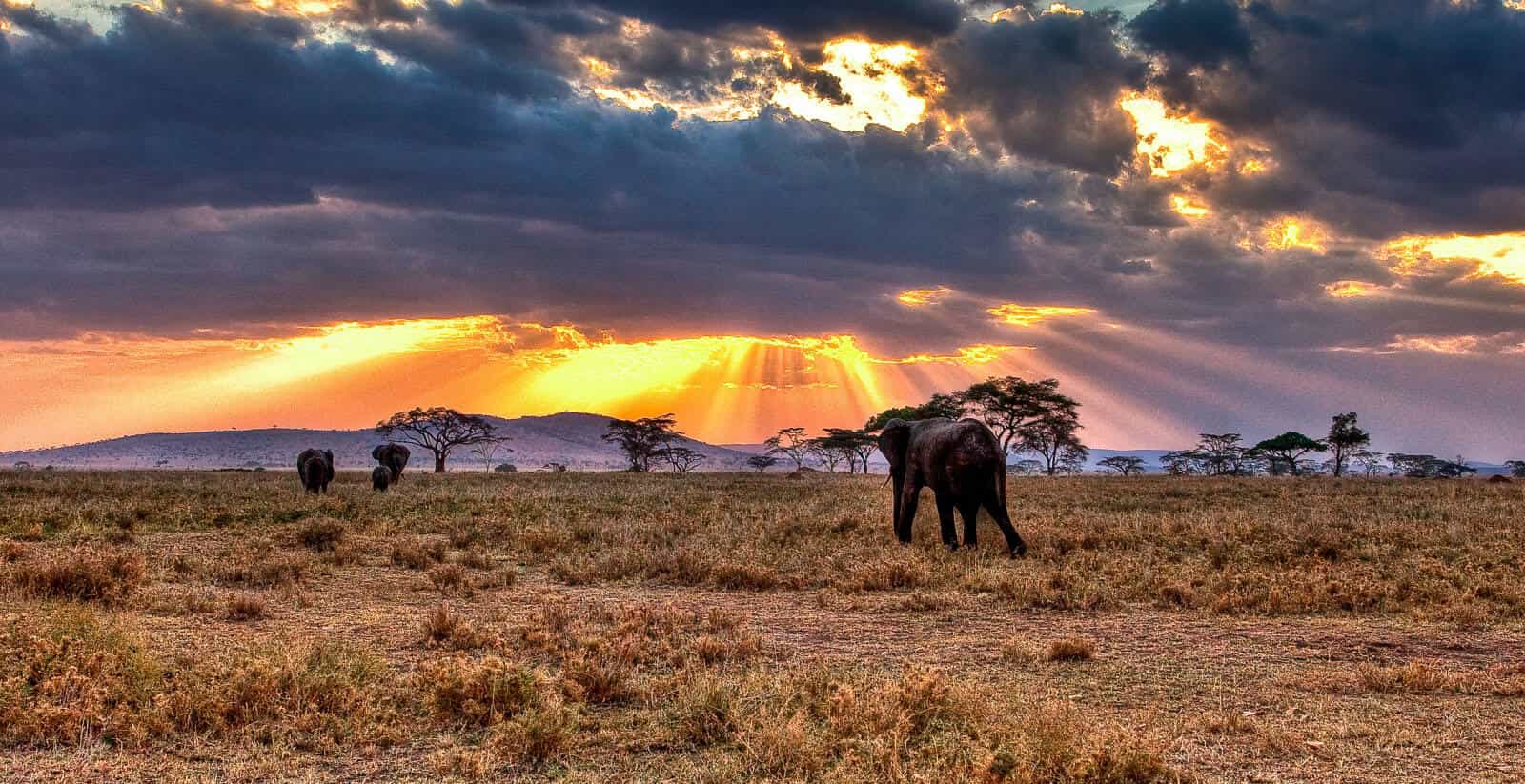
6-Day Serengeti & Ngorongoro Focus: Tanzania's Two Greatest Icons, Without Compromise
Depth over breadth. A true first-light crater descent. Two full Serengeti nights for predator tracking at its finest.
Overview
Two Parks. Five Days. Maximum Depth.
NT-C2 is the answer to a clear preference articulated by experienced safari travellers: skip the brief park visits, concentrate on fewer destinations, and stay long enough for each to reveal itself.
The program arrives at the Ngorongoro crater rim for a sundowner on Day 2 — establishing a genuine sense of arrival before the full-day crater descent on Day 3. A picnic lunch inside the caldera maximises time on the floor, and the black rhinoceros — Tanzania’s most reliably encountered here — requires patience the two-day structure provides.
Two nights in the Central Serengeti follow. Resident lion prides, the Seronera valley’s famous leopards, and cheetahs on the open ground across multiple game drives combine into a predator-focused Serengeti experience that a single overnight cannot approach.
Arrive at the rim for a sundowner as the caldera glows below — before the first-light descent on Day 3.
An entire day on the crater floor with picnic lunch — Tanzania's most reliable Big Five encounter, including black rhinoceros.
Multiple drives across the Seronera predator core — highest leopard density in the Serengeti, resident lion prides, cheetah year-round.
This program deliberately excludes Tarangire to give Ngorongoro and Serengeti the time they require. Returning visitors consistently prefer this.
The concentrated two-park structure makes NT-C2 one of RYDER Signature's most popular honeymoon programs.
Crater enclosed light and Serengeti golden-hour plains — the most consistently rewarding photographic conditions on the Northern Circuit.
Itinerary at a Glance
Six Days, Three Parks, One Lifetime Memory
The table below outlines the daily progression of your safari, including overnight locations and meal arrangements.
| Day | Route | Overnight | Meal Plan | Highlights |
|---|---|---|---|---|
| 1 | Arrive JRO → Arusha | Arusha | D | Airport meet & greet · Rest · Safari briefing |
| 2 | Arusha → Ngorongoro Crater Rim | Crater Rim | B L D | Rift Valley drive · Rim arrival · Crater viewpoint · Sundowner |
| 3 | Full Day — Ngorongoro Crater Descent | Crater Rim | B L D | Dawn descent · Big Five · Black rhino · Flamingos · Picnic lunch inside |
| 4 | Ngorongoro → Central Serengeti | Central Serengeti | B L D | Scenic transfer · Naabi Hill Gate · Evening game drive |
| 5 | Full Day — Central Serengeti | Central Serengeti | B L D | Predator tracking · Bush breakfast · Sundowner |
| 6 | Serengeti → JRO Departure | B | Morning game drive · Scenic return · Airport transfer |
B = Breakfast · L = Lunch · D = Dinner
Explore the Route
Your Safari Route, Mapped
Follow the animated route from Arusha through the parks.
Investment
Choose Your Safari Style
Every tier delivers the same exceptional guiding, the same game drives, and the same parks. The difference lies in where you sleep.
Mid-Range · MID
Explorer
USD 3,000 per person
Accommodation Portfolio
🏨 Arusha(1): Tumbili Cliff Lodge or similar
🏨 Ngorongoro(2): Ngorongoro Serena Safari Lodge
🏨 Serengeti(2): Tamu Tamu or Serengeti Serena
- All nights accommodation as specified
- All game drives and park / conservation area fees
- All meals as indicated in the itinerary
- Private 4x4 Land Cruiser with pop-up roof and expert guide
- Flying Doctors emergency evacuation coverage
Luxury · LUX
Signature
USD 5,200 per person
Accommodation Portfolio
🏨 Arusha(1): Four Points by Sheraton
🏨 Ngorongoro(2): Ngorongoro Meliá
🏨 Serengeti(2): Salinero Serengeti Camp
- All nights accommodation as specified
- All game drives and park / conservation area fees
- All meals as indicated in the itinerary
- Private 4x4 Land Cruiser with pop-up roof and expert guide
- Flying Doctors emergency evacuation coverage
- Bush breakfast on Serengeti plains — Day 5
High-End Luxury · HEL
Pinnacle
USD 9,500 per person
Accommodation Portfolio
🏨 Arusha(1): Angama Ngorongoro
🏨 Ngorongoro(2): Crater's Edge
🏨 Serengeti(2): Four Seasons Safari Lodge
- All nights accommodation as specified
- All game drives and park / conservation area fees
- All meals as indicated in the itinerary
- Private 4x4 Land Cruiser with pop-up roof and expert guide
- Flying Doctors emergency evacuation coverage
- Private bush breakfast and sundowner setup
- VIP personalised arrangements throughout
Day-by-Day
Your Journey, Day by Day
Arrival
Arrive Kilimanjaro Airport → Arusha
Your RYDER Signature guide meets you at Kilimanjaro International Airport (JRO) with a personalised welcome board and a cold drink — the first of many small attentions that distinguish a RYDER Signature program from a standard safari transfer. The drive from JRO to Arusha takes approximately 45 minutes on a well-maintained highway through the Kilimanjaro foothills, often with the mountain’s snowcapped summit visible above the cloud layer on clear evenings. The town of Arusha — East Africa’s safari capital — sits at 1,400 metres; the air is markedly cooler and cleaner than the coast.
This arrival day is deliberately unscheduled. After a long international flight, rest is not a concession but a strategic choice — tired travellers miss the details that define a great safari experience. Your accommodation has been selected not only for comfort but for its setting: a Arusha highland property surrounded by coffee trees and garden birds provides an immediate immersion in Northern Tanzania’s highland character. The evening briefing with your guide covers the five-day program in specific detail — current field intelligence, park conditions, migration position, and what to expect from the Ngorongoro Crater descent tomorrow morning.
Crater Rim
Arusha → Ngorongoro Crater Rim
After breakfast you head southwest through the Rift Valley escarpment and montane forest to the Ngorongoro Conservation Area, arriving at the crater rim in the early afternoon. The 2.5-hour drive from Arusha passes through the Karatu highlands — coffee and banana smallholdings on volcanic hillsides, Iraqw women in traditional dress walking the roadside, and the air cooling noticeably as the altitude increases. The Conservation Area boundary is marked by a dramatic change in vegetation: the dense highland forest of the Ngorongoro highlands meets the open moorland of the inner crater zone.
The crater rim in the late afternoon carries a different quality of light from the flat Serengeti landscape you will inhabit for the next two days — the caldera drops 600 metres immediately at the viewpoint edge, the floor visible below as a self-contained world of grassland, soda lake, and moving animals. The sundowner drink at the rim, with the cooling highland air and the deepening shadow filling the caldera, is one of the Northern Circuit’s most memorable moments and one that no amount of prior description fully prepares you for. Your crater rim lodge is a property at 2,100 metres elevation — the night air is cold, the star field at altitude is extraordinary, and the knowledge that you descend at dawn adds a specific quality of anticipation to the evening.
Full Crater Day
Full Day — Ngorongoro Crater Descent
A 06:00 descent at true first light places you on the crater floor during the most active predator hours — before the Arusha day-trip vehicles begin arriving from 08:30. The road down the caldera wall is steep, narrow, and carved into the volcanic rock, the forest giving way to scrub and then to the open grassland of the crater floor 600 metres below. The transition is abrupt and theatrical: one moment you are in highland forest, the next you are on the open grassland of a 260-square-kilometre volcanic caldera containing some 25,000 large mammals.
The crater’s enclosed ecology creates a wildlife density that is simply unmatched anywhere in the Northern Circuit. Lion prides — some of the most studied in the world — patrol territories they have occupied for generations. The black rhinoceros population, approximately 30 individuals protected within the caldera, is the most reliably seen in Tanzania; your guide locates them using current ranger intelligence from the morning briefing. Buffalo herds of 400–600 animals darken the short-grass plains. Flamingos turn Lake Magadi pink from certain angles. The hippo pool near the ranger station holds the most photogenic hippo grouping on the circuit. A picnic lunch on the caldera floor extends the visit — you eat with the Ngorongoro ecosystem as your dining room — before the afternoon drive westward toward the Serengeti.
Into the Serengeti
Ngorongoro → Central Serengeti
The drive westward across the Conservation Area’s open grassland delivers one of Tanzania’s great landscape transitions — the Serengeti horizon appears at Naabi Hill Gate as a revelation: flat, infinite, and covered with a golden grass that seems to extend to the edge of the world. The Central Serengeti’s Seronera zone, where the first game drive begins on arrival, holds the highest year-round predator density of any accessible area in the Northern Circuit. Your guide has field intelligence from the RYDER network before the drive begins — which lion pride is active, where the Seronera leopard was last sighted, whether wild dogs are in the area.
The afternoon arrival drive in the Serengeti is frequently the most productive single drive of any Northern Circuit program. Animals that have been active through the cooler afternoon are still visible before the golden-hour light turns them to silhouettes: lions on the kopje rocks above the Seronera Valley, cheetah scanning the open plain from termite mound vantage points, and giraffe browsing against the setting sun. The Serengeti lodge at dusk — the sounds of the nocturnal plain beginning as dinner is served — transforms the safari from a day activity into a full environmental immersion.
Full Serengeti
Full Day — Central Serengeti
A complete day in the Seronera zone across two game drives — the morning’s most productive predator hours and the afternoon’s golden-hour window — is the program’s wildlife centrepiece. The dawn drive departs at 06:00 when the resident lion prides are still at their overnight positions: at kills, transitioning between territories, or leading cubs to water. Your guide targets the specific subjects identified from yesterday’s arrival drive, building on accumulated field intelligence rather than starting the circuit from scratch.
The afternoon drive extends through the golden hour — the Serengeti at 17:00–18:30 in directional amber light is the landscape that defines African safari photography, and the Seronera Valley in this light produces images that are simply unavailable at any other time. A bush breakfast on the open plain between the morning and afternoon drives — a proper table setup in the middle of the Serengeti, hot food, the landscape entirely yours — is an optional experience that turns the mid-day pause from logistics into a memory. Wild dogs, if a pack is located in the Seronera area, are one of the afternoon drive’s most sought sightings; your guide monitors their position through the day via the RYDER field network.
Departure
Morning Drive → JRO Departure
A final morning game drive before the return drive to Kilimanjaro International Airport via the Ngorongoro Conservation Area. The morning drive targets the subjects identified from yesterday’s intelligence — a specific lion, a leopard tree, the cheetah’s morning circuit — knowing that this is the last available hour in the Serengeti. Morning drives frequently deliver encounters that the previous day’s intelligence makes precisely targetable, and the accumulated knowledge of the guide over three full days of field work produces a final drive that is the most specifically tailored of the program.
The return to JRO via the Ngorongoro Conservation Area takes approximately four hours, allowing guests with late-evening international departures a comfortable connection. The Karatu highlands on the return drive provide a complete ecological contrast to the Serengeti plains: the highland air, the coffee tree smallholdings, and the distant view of the Manyara escarpment. As you reach JRO and the check-in desk, Tanzania’s landscape is still visible from the terminal windows — the Kilimanjaro massif, the acacia-studded plain, and the specific clarity of the highland light that you will find yourself describing, imprecisely, to everyone who asks how it was.
Where to Stay
Where You Stay Matters as Much as Where You Go
Every property on this route is one we know personally. Here is what's waiting for you each night.
What's Included
Inclusions & Exclusions
✓ What's Included
- Airport meet and greet at Kilimanjaro International Airport (JRO)
- All road transfers in private 4x4 Toyota Land Cruiser with pop-up roof hatch
- Professional English-speaking private safari guide throughout
- All nights accommodation as specified per tier
- All meals as indicated in the day-by-day itinerary
- All national park entry fees and Ngorongoro Conservation Area fees
- Bottled mineral water during all drives and transfers
- Flying Doctors emergency evacuation coverage
- 24/7 RYDER Signature safari support access
✗ What's Not Included
- International flights to and from East Africa
- Tanzania entry visa (USD 50 — apply at immigration.go.tz)
- Travel insurance with medical evacuation (mandatory)
- Tips and gratuities (USD 30–50 per day per vehicle recommended)
- Personal expenses and alcoholic beverages
- Optional supplements listed below
Elevate Your Journey
Signature Additions
Optional experiences your specialist can layer into this itinerary — search and select any addition from our full collection.
Common Questions
Frequently Asked Questions
NT-C2 is designed for guests whose primary objective is the Serengeti and the Ngorongoro Crater at maximum depth within a 5-day program. By removing the Tarangire day, the program can allocate three Serengeti nights — the minimum for intelligence-led precision targeting — alongside a full Ngorongoro rim overnight and crater descent. Three Serengeti nights delivers the intelligence inflection point: the first day discovers and maps, the second deploys at increasing precision, and the third uses the complete two-day intelligence at maximum specificity. Tarangire is an excellent park and worth visiting, but for guests who have a specific Serengeti and Ngorongoro focus, NT-C2 provides those two destinations at a depth that NT-C1 (which includes Tarangire but has only two Serengeti nights) cannot match.
NT-C2 includes an overnight on the Ngorongoro rim (Day 2), transforming the standard day-visit crater descent into a two-part experience. Evening on the rim: the caldera viewpoint at sunset — the 19-kilometre bowl filling with shadow below, the montane forest around the rim lodge alive with colobus monkey and bushbuck, and the Milky Way visible above the crater at night. Morning of Day 3: the dawn descent into the crater — arriving at the caldera floor in the first light for the black rhinoceros window (the rhino is most active and visible in the early morning cool). The rim overnight also typically produces better weather for the crater descent — the morning cloud that can obscure the caldera in the late morning is often absent at dawn, giving the clearest views of the wildlife floor.
The Ngorongoro Crater holds one of Tanzania’s most significant black rhinoceros (Diceros bicornis) populations — approximately 20–25 individuals within the enclosed caldera. The black rhinoceros is critically endangered globally, with fewer than 6,500 individuals remaining in Africa. The Ngorongoro Crater’s enclosed environment protects this population more effectively than any open park, making it Tanzania’s most reliable single location for rhinoceros encounters. The rhinos are typically found in the western and southwestern sectors of the crater floor, in the denser vegetation near the springs. RYDER Signature’s guides know the current rhino locations from the daily intelligence network and position the vehicle accordingly in the first two hours of the descent.
The Serengeti delivers wildlife experiences that the enclosed Ngorongoro cannot. Scale: the Serengeti at 14,763 sq km produces a sense of open infinity — the grassland extending to every horizon, the wildlife encounters occurring within a genuinely vast landscape rather than a bounded bowl. The Great Migration: 1.5 million wildebeest moving through the Serengeti annually in a circuit from south (calving) to north (river crossings) — present in some form year-round but most dramatic in the calving season (January–March) and crossing season (July–October). Cheetah: the Serengeti’s open plains provide ideal cheetah hunting terrain and some of Africa’s most accessible and reliably encountered cheetah populations. Solitude: the Serengeti’s size means that even in peak season, many game drives cover kilometres without encountering another vehicle.
Yes — NT-C2 is one of RYDER Signature’s most popular honeymoon Northern Circuit formats. The Ngorongoro rim sundowner and crater descent are inherently romantic settings; the Serengeti’s three nights allow the intelligence-led precision and the private bush sundowners that the longer stay enables. RYDER Signature can arrange honeymoon supplements for NT-C2: champagne on arrival at each property, a private bush dinner in the Serengeti, a Ngorongoro rim sundowner at a private viewpoint, and a hot air balloon charter. The private guiding format means no shared vehicles — the entire program is structured around the couple’s preferences and pace.