Activities
Half day, about 4 hours including transfers · From $70 per person including boat, guide and snorkelling equipment
Kizimkazi Dolphin Tour
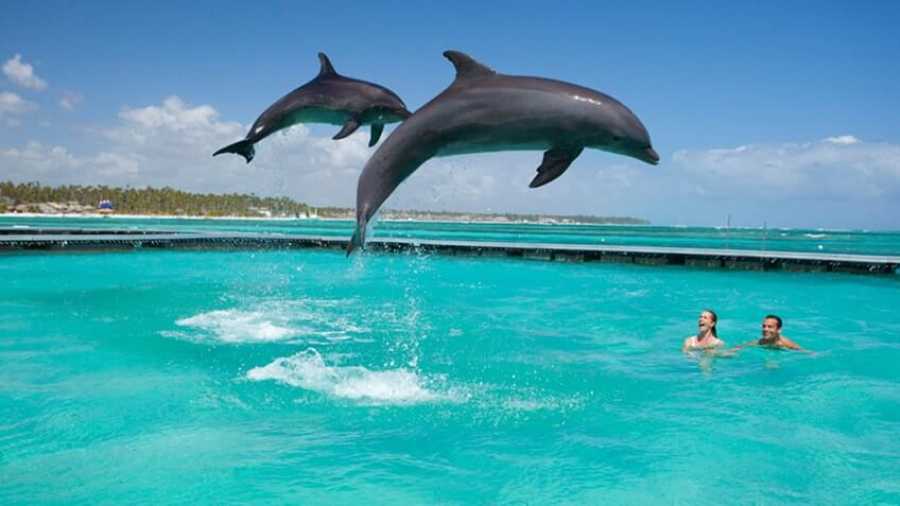
The waters off Kizimkazi, a fishing village on Zanzibar’s southern tip, hold one of the most reliable resident dolphin populations on the East African coast. Bottlenose dolphins fish these shallows most mornings, joined at times by the shyer and less predictable Indo Pacific humpback dolphin. The bay sits within the Menai Bay Conservation Area, a protected zone of roughly 470 square kilometres established in 1997 to stop overfishing and safeguard exactly this kind of marine life.
Boats leave at first light, when the water is calm and the dolphins are still working close to shore before the midday heat sends them deeper. What follows depends entirely on the pod. Some mornings bring dolphins that swim curiously around the boat and tolerate snorkellers nearby. Other mornings they keep their distance, and a good guide reads that mood rather than pushing for a swim regardless.
Dolphin watching: observe pods fishing, socialising and travelling in open water, often from just metres away.
In water encounters: when dolphins are relaxed, guests may enter the water quietly and let the animals approach on their own terms.
Two species: the common and confident bottlenose dolphin, and the rarer, more reserved Indo Pacific humpback dolphin.
Snorkelling stop: many tours pair the dolphin search with a snorkel near Kizimkazi’s coral outcrops, including the small tidal cavern known locally as Salaam Cave.
Kizimkazi village and mosque: the trip can be combined with a visit to the village’s twelfth century mosque, among the oldest Islamic buildings on the East African coast.
Sightings are common but never guaranteed, and an in water swim depends on the dolphins’ mood that morning. Bring something for motion sickness if you are prone to it, the crossing can be choppy before sunrise.
Our Kizimkazi captains have spent decades reading dolphin behaviour and never chase a pod that wants distance. We schedule the earliest available departure to beat both the heat and the other boats, and can extend the morning with a stop at the village mosque or a quieter reef nearby.
Boat transfer, licensed guide, snorkelling equipment
2 to 3 hours · From $70 per person including boat, guide and snorkelling gear
Wild Turtle Snorkelling, Mnemba and Kendwa
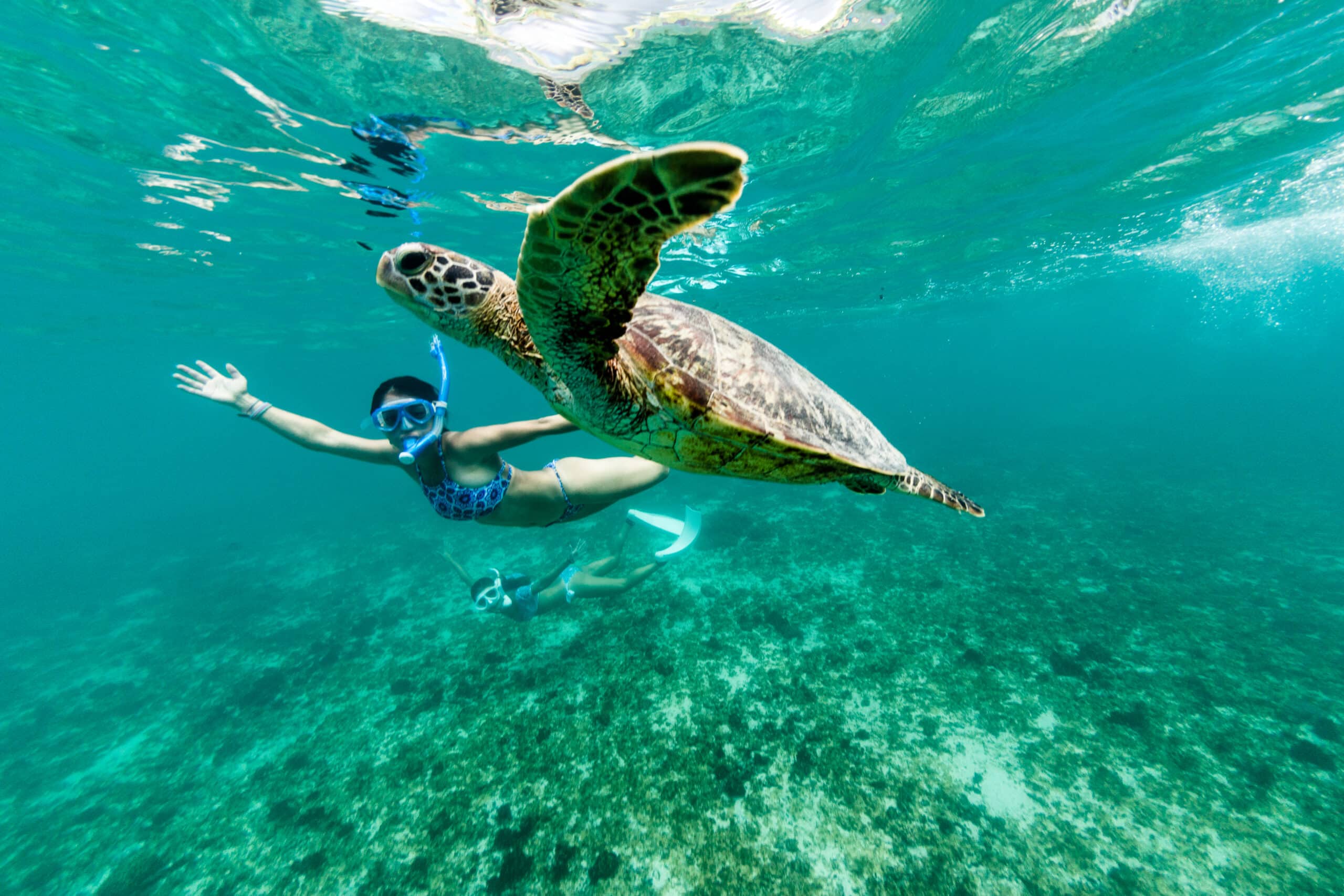
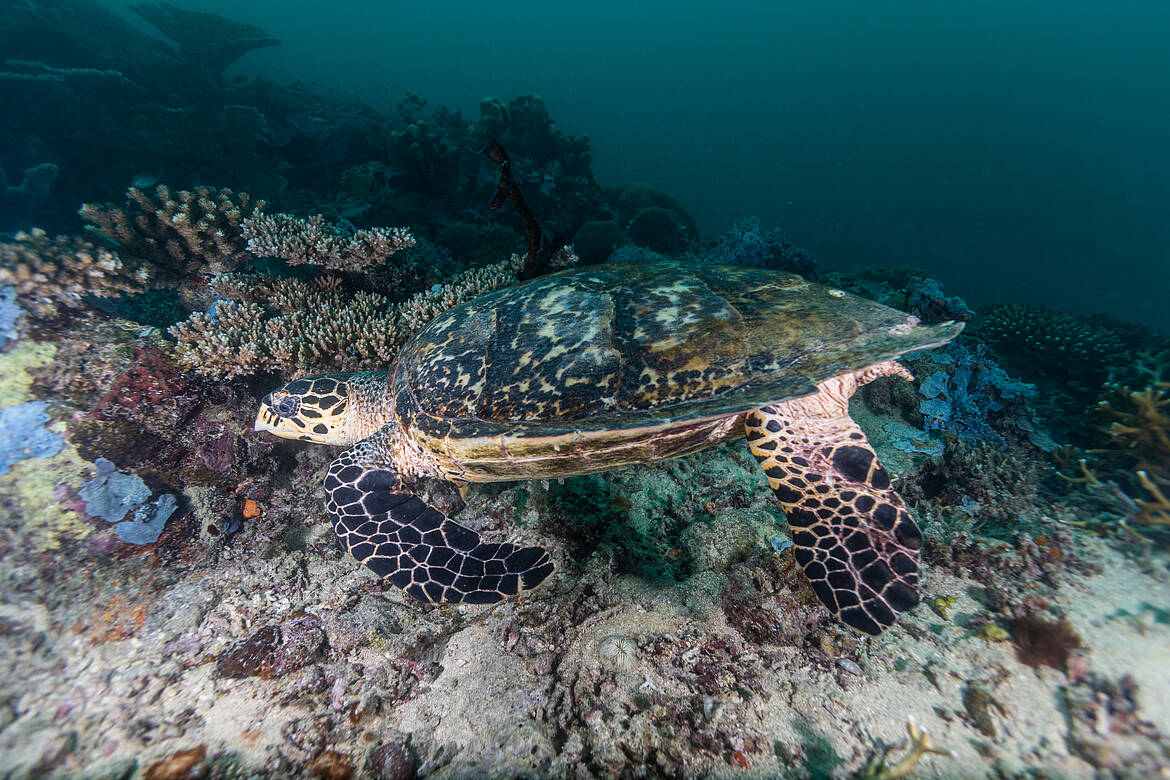
Zanzibar’s northeast coast, centred on Mnemba Atoll, and the calmer shallows off Kendwa near Nungwi, hold healthy populations of green and hawksbill turtles that feed year round on the surrounding seagrass and coral. Unlike a sanctuary visit, this is open water snorkelling among turtles going about their day, grazing, resting on the reef, and occasionally gliding past close enough to make out the pattern on a hawksbill’s shell.
Visibility and calm seas make the biggest difference here, and the window from November through March generally offers the clearest water and the steadiest sightings, though turtles are present in these waters throughout the year.
Wild turtle sightings: snorkel over seagrass beds and reef edges where green and hawksbill turtles regularly feed.
Species spotting: learn to tell the smooth, olive shell of a green turtle from the pointed beak and patterned shell of a hawksbill.
Reef life beyond turtles: Mnemba’s coral supports a wide range of reef fish and, at times, passing rays.
Gentle conditions at Kendwa: shallower, calmer water close to shore suits first time snorkellers and children.
Keep a respectful distance from any turtle you find, at least a few metres, and never touch or chase one. Flash photography and pursuit both cause real stress to a wild animal that has nowhere else to go.
We favour operators who keep a respectful distance and cap group sizes in the water, since a crowded boat around a single turtle is as much a welfare problem as a bad photograph. We can combine this with a full day at Mnemba for a fuller picture of the reef.
Boat transfer, guide, snorkelling equipment
1 to 2 hours · From $70 per person including transport and guide
Mnarani Turtle Conservation Visit, Nungwi
At the northern tip of Nungwi Beach sits a natural tidal lagoon that has served as a sea turtle sanctuary since 1993, when local villagers and conservationists founded the project to protect turtles from the fishing nets and poaching that once thinned their numbers here. The lagoon connects to the Indian Ocean through a low reef wall, so the green and hawksbill turtles inside live in something close to open water rather than a tank.
The sanctuary runs on a simple, effective idea: fishermen who accidentally net a turtle bring it in rather than keeping it, and are compensated for their trouble. Injured and juvenile turtles recover here before release, and during the February to July nesting season the team also protects vulnerable nests along the beach, relocating eggs at risk from high tides or predators.
Close observation: see green and hawksbill turtles, from tiny hatchlings to adults, at much closer range than open water allows.
Feeding: visitors are often given seaweed to feed the turtles under a keeper’s guidance.
Rehabilitation story: guides explain how injured or netted turtles arrive, recover, and are eventually released.
Annual release: time a February visit right and you may witness the sanctuary’s yearly release of rehabilitated turtles back to the sea.
Touching turtles is discouraged outside supervised feeding moments. Small cash is useful for the entrance fee and any donation to the sanctuary.
We time visits to feeding windows and, where the season allows, arrange advance notice of the annual release so guests can plan around it. A portion of every visit we arrange supports the sanctuary’s ongoing rehabilitation work directly.
Transport, guide, sanctuary entrance
Full day, about 7 hours including boat transfers · From $90 per person including boat transfer, lunch and all guided activities
Chumbe Island Marine Conservation Excursion
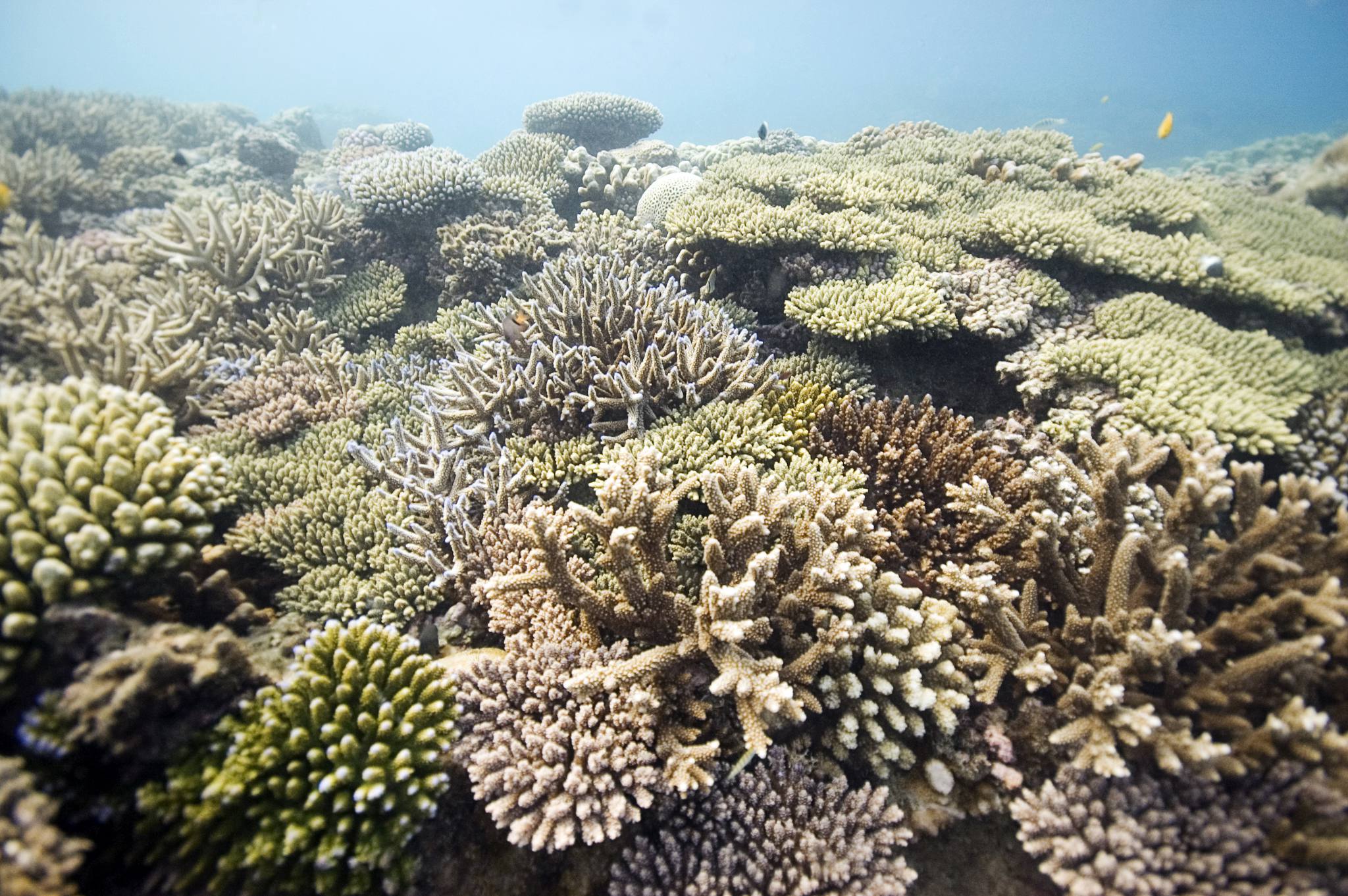
A short boat ride southwest of Stone Town sits Chumbe Island, a small private nature reserve developed from 1991 by conservationist Sibylle Riedmiller and recognised as one of the world’s first privately managed marine parks, gazetted as a protected area in 1994. Its reef sanctuary shelters well over 200 coral species and hundreds of species of reef fish, protected from fishing since the early 1990s, while a forest reserve across the island’s interior shelters rare wildlife including coconut crabs and the endemic Aders’ duiker.
Visitor numbers are deliberately limited each day, which keeps the reef in the condition that first drew conservationists here and makes a Chumbe day trip feel unusually uncrowded for Zanzibar. The island closes to visitors for a short annual break, typically from early April into early June, so trips outside that window need to be booked well ahead.
Guided snorkel: explore one of East Africa’s healthiest coral reefs with a dedicated guide, timed to the tide.
Forest and mangrove walk: a guided trail through coral rag forest, home to coconut crabs and the rare Aders’ duiker.
Historic lighthouse: climb the island’s lighthouse, built in 1904, for a wide view over the reef and channel.
Eco lodge tour: see how the island’s bungalows run entirely on solar power, rainwater and composting systems.
The island closes to day visitors for roughly two months each year around April and May, so check dates before booking. Currents can run strong around the reef at high tide.
Because Chumbe caps its daily visitors, we book this well ahead of a stay rather than as a last minute add on. Every visit we arrange here funds the reserve’s conservation work and its free environmental education programme for local schoolchildren.
Return boat transfer, lunch, guided snorkel, forest walk, lighthouse and eco lodge tour