Activities
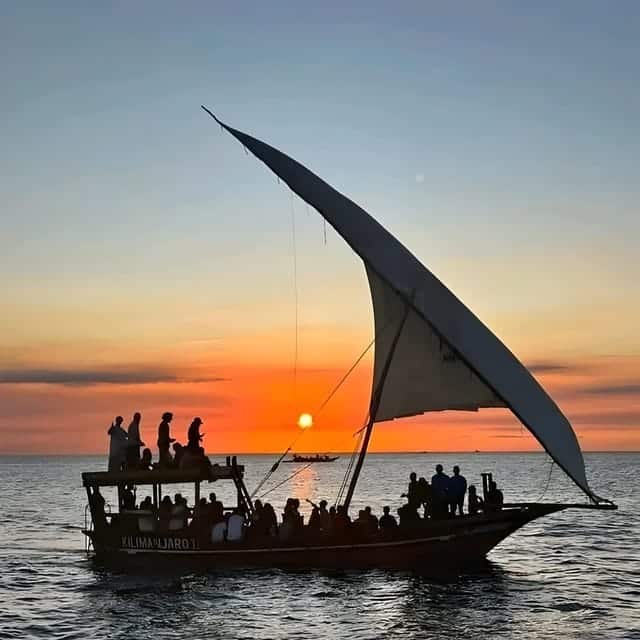
1.5 to 2 hours · From $70 per person on a shared dhow; private charters from $200
Traditional Dhow Sunset Cruise
The classic Lamu dhow outing: a late afternoon departure across the channel as the day’s heat fades, sailing under a lateen rig with no engine running, just wind against canvas and water against hull. It is a quiet, unhurried way to close a day, and the sight of a fully rigged dhow against the sunset is one of the coast’s defining images.
Crews handle the boat using skills passed down rather than learned from a manual, trimming the sail and reading the channel’s currents by feel. The sunset provides the scenery; watching an experienced crew work the boat is the real substance of the trip.
Wind powered sailing: no engine, just canvas and current, much as it has been done here for centuries.
Skilled local crews: captains and deckhands whose families have sailed this channel for generations.
Sundowner tradition: a drink or snack as the sun drops toward the mainland, continuing a long standing coastal ritual.
Views across the channel: Lamu’s westward orientation gives a long, uninterrupted sunset over the water and Manda Island’s mangroves.
Sea conditions and character shift with the monsoon; the Kaskazi season (roughly December to March) offers calmer, warmer sailing, while the Kusi season (roughly June to September) brings stronger wind and a livelier ride.
We work only with well maintained dhows and the most experienced captains available, and arrange private charters for couples and small groups who want the boat to themselves. Proposals, anniversaries and other special occasions can include chilled drinks and a personalised setup on request.
Skipper and crew, life jackets and a light sundowner snack or drink.

2 to 5 days · From $200 per person per day including meals and crew
Multi Day Dhow Adventure
For a deeper introduction to the archipelago, multi day voyages use the dhow as transport rather than a brief excursion, anchoring off remote beaches and islands across Lamu, Manda, Pate and Kiwayu. Onboard comfort is modernised where it matters, but the pace and rhythm stay tied to the wind, much as sailing here has always worked.
These trips suit travellers who want genuine exploration: quiet anchorages, long days under sail, and time with a crew that knows these waters as home rather than as a tourist route.
Extended sailing days: full days under sail rather than a single short crossing.
Remote anchorages: islands and beaches reached only by boat, well away from the main tourist circuit.
Time with the crew: several days aboard allows real conversation and cultural exchange beyond a passing greeting.
Flexible itineraries: routes adapt to wind, tide and traveller interest, whether that is fishing, snorkelling or simply exploring.
These voyages depend heavily on the monsoon; captains generally avoid the roughest weeks around the change of season, so exact timing is set closer to departure.
We match each group to a dhow and captain suited to the trip length and comfort level wanted, from a simple two night sail to a fully catered week through the wider archipelago.
Skipper and crew, meals aboard, and overnight anchorage or beach camping depending on the itinerary.
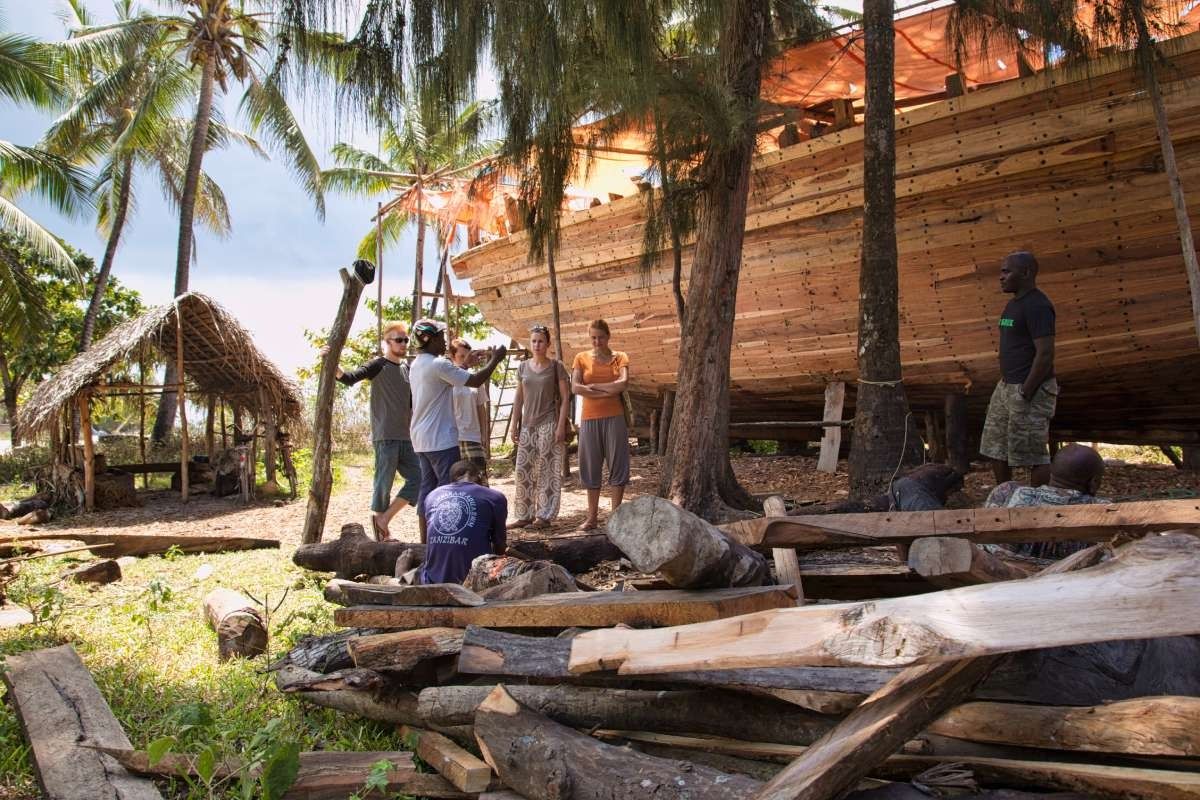
1 to 2 hours · From $70 per person including guide and transport
Dhow Building Workshop Visit
Lamu remains one of the few places on the coast where traditional dhow building continues as an everyday trade. At waterfront workshops, notably at Matondoni village, craftsmen still shape boats by eye and memory rather than from a written plan, using techniques passed from father to son over generations.
A visit here is less a demonstration than a chance to watch real, ongoing work: hulls at various stages of construction, wood chosen and tested by hand, and a trade that has kept Lamu’s dhows on the water for centuries.
Boats under construction: see hulls in progress, from the first frame to final finishing.
Master builders: meet craftsmen whose skills took years of apprenticeship to learn.
Traditional methods: proportions and design held in memory and practised eye rather than blueprints.
Material selection: how specific woods are chosen for the hull, ribs and mast.
Workshops are working sites, not staged displays; visits are best kept brief and respectful of craftsmen at work.
We visit workshops we know personally, so your guide can properly introduce you to the builders rather than have you watch from a distance.
Guide, transport to the workshop, and an introduction to the builders on site.