The best Serengeti camps for migration viewing in 2027 are not a single list, because the migration itself is not in one place at any given time. A camp that puts you in the middle of the action in February will be nowhere near the herds in August, and vice versa. Choosing well means matching three things at once: the calendar, the zone, and the style of camp, mobile or permanent, rather than picking from a generic “best camps in the Serengeti” roundup and hoping the dates line up. Get any one of those three wrong and even a well reviewed, genuinely excellent camp can deliver an unremarkable week.
Why the Right Camp Depends Entirely on Your Dates
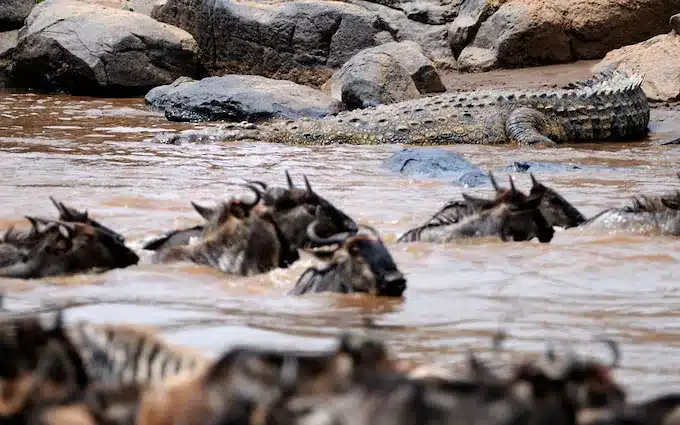
The migration moves through three broadly distinct phases across the year, and each has its own geography and its own set of camps built around it. December through March belongs to the southern plains around Ndutu, where the calving season plays out. June is the Serengeti’s western corridor and the Grumeti River, a quieter and less crowded crossing than the one further north. July through October is the northern Serengeti, Kogatende and the Lamai Wedge, where the Mara River crossings that most people picture when they think of the migration actually happen. A camp with a spectacular reputation in one of these zones can be a poor, or simply irrelevant, choice in another month, which is why camp selection for migration viewing has to start with dates, not with a list of famous names.
Best Camps for Calving Season (December to March, Ndutu)
Ndutu’s calving season camps are almost all small, either genuinely mobile or semi-permanent, and several of them close or relocate once the herds move north. Olakira Camp and Ubuntu Camp are two of the better known mobile options, both repositioning later in the year to follow the migration toward the crossings. Kimondo Camp sits deeper in the southern plains with views over a permanent waterhole that keeps it interesting for wildlife even outside the calving peak. Kirimu Camp and Malaika Ndutu Luxury Camp both run specifically through the December to March window, and Lemala Ndutu Tented Camp is positioned on the Ngorongoro Conservation Area side of the Ndutu boundary, which matters practically because guides there are permitted to drive off track and run night drives, neither of which is allowed inside the national park itself. For travellers who want a permanent structure rather than canvas, Mwiba Lodge and Lake Masek Luxury Tented Lodge are the established year-round options in the wider Ndutu area, both drawing on the same calving season wildlife without closing between seasons.

Best Camps for the Western Corridor and Grumeti Crossing (June)
The Grumeti River crossings in June see a fraction of the visitor numbers that the Mara crossings draw a few weeks later, which is exactly the appeal for travellers who have done the northern Serengeti before or who simply prefer a quieter experience. The Grumeti Reserves, a private concession bordering the national park, hold the strongest concentration of camps built around this window. Singita Faru Faru and Singita Sabora both sit inside the Grumeti Reserves and combine ultra-luxury positioning with access to the crossing points along the river. Singita Sasakwa, perched on a hilltop with sweeping views over the reserve, is the grandest of the three and often the first choice for a honeymoon or a milestone trip. Fort Ikoma, on the edge of the reserve boundary, is a useful reference point for travellers comparing more moderately priced options against the Singita properties, since several camps in the wider western corridor position themselves relative to it.

Best Camps for the Mara River Crossing (July to October, Northern Serengeti)
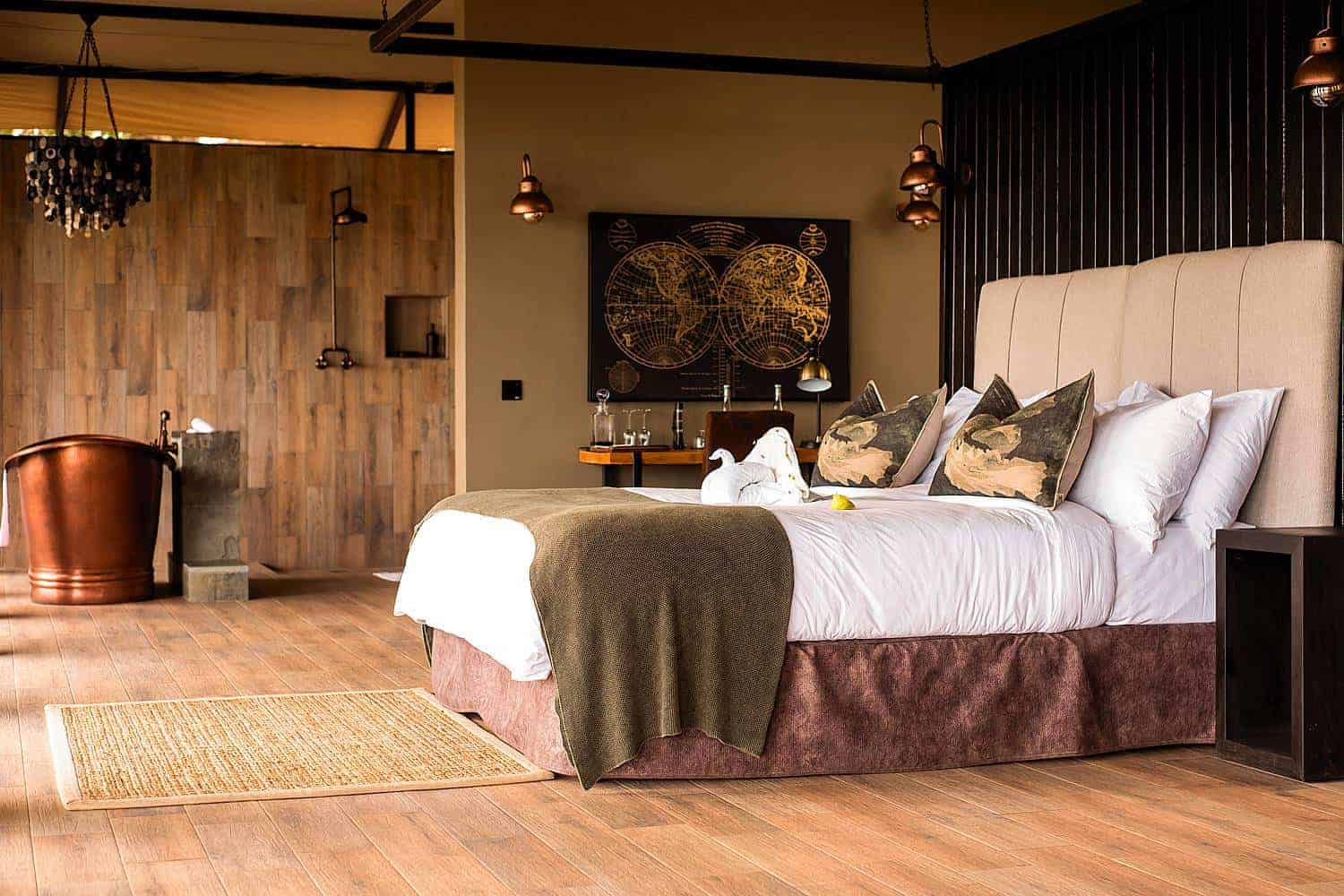
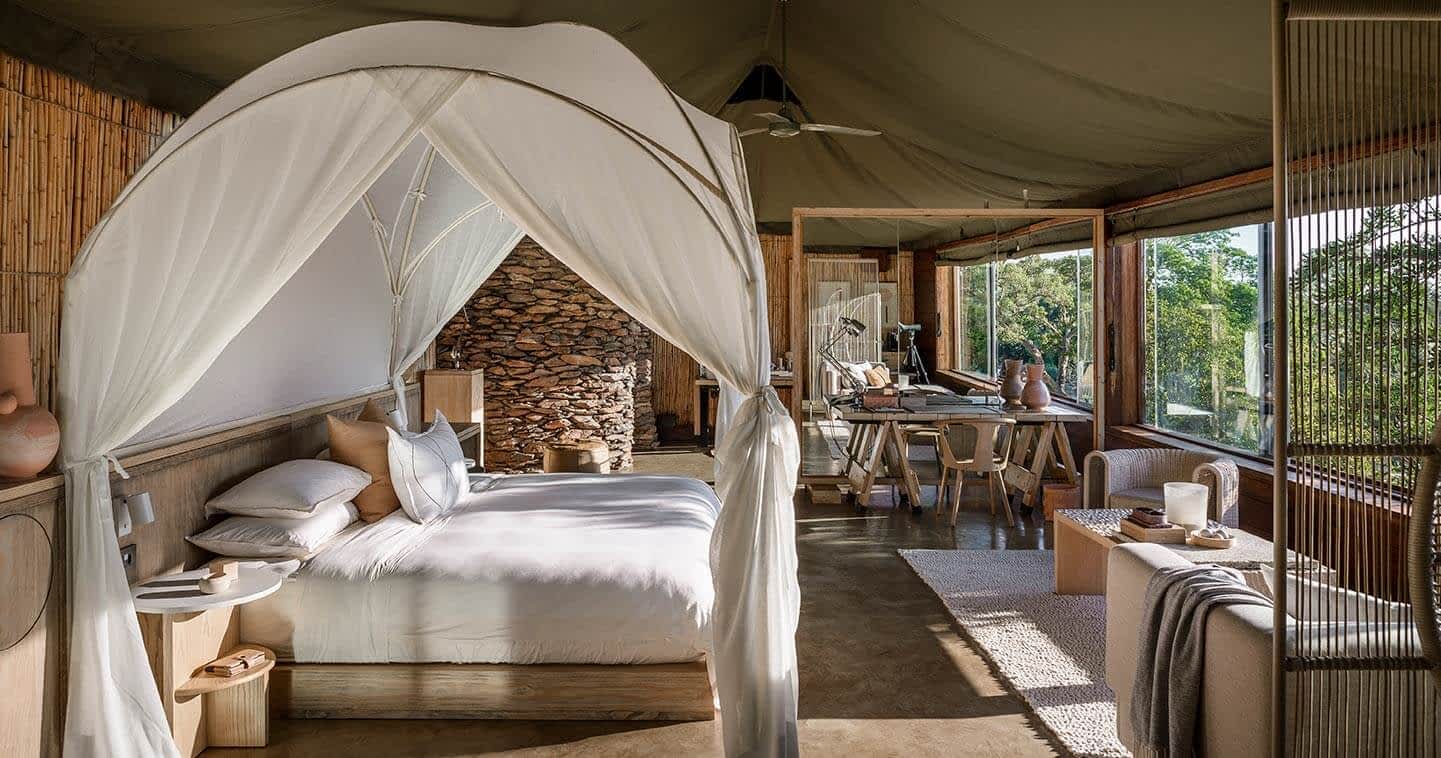
This is the busiest and most competitive booking window of the year, and the camps cluster around two areas: Kogatende, on the Tanzanian side of the Mara River, and the quieter Lamai Wedge just to the north. Lamai Serengeti, run by Nomad Tanzania, sits on a rocky outcrop with panoramic views and is widely regarded as one of the strongest permanent lodges in the north, though it closes for the second half of March through May during the long rains. Singita Mara River Tented Camp sits directly on a horseshoe bend of the river itself, giving it about as close and immediate access to crossing points as any camp in the ecosystem. Sayari Camp, operated by Asilia Africa in the Kogatende area, pairs glass fronted suites and, at certain units, private plunge pools with genuinely close proximity to the river. Serengeti Bushtops, also near Kogatende, is built around unusually large 120 square metre tented suites with private decks and sunken outdoor hot tubs, aimed squarely at travellers who want five star hospitality alongside the migration rather than a more traditional bush camp feel. Nimali Mara and Klein’s Camp both sit further from the busiest crossing points but offer a quieter, more exclusive alternative for travellers less concerned with being at the single closest possible vantage point. Mara River Camp, in the Kogatende and Lamai sector, is a smaller, more boutique option positioned close to the classic crossing points at a lower price point than the ultra-luxury names above it.

For a more mobile, adventurous style during this window, Wilderness Usawa Serengeti follows the migration across nine key sites within a 15,000 square kilometre operating area, repositioning through the season rather than staying fixed. Serengeti Safari Camp, run by Nomad Tanzania, and the camps operated under Alex Walker’s Serian brand both offer a similar mobile model, aimed at travellers who want their accommodation to track the herds’ actual movements rather than betting on a single fixed location for the whole stay.
Mobile Versus Permanent: What Actually Matters for Migration Viewing
A genuinely mobile camp, one that physically relocates two to four times a year to stay close to the herds, has a real advantage during unpredictable phases of the migration, since its entire premise is following the animals rather than waiting for them to arrive at a fixed point. The trade off is generally a simpler physical structure, canvas rather than permanent build, and a smaller number of tents, typically eight to ten. Permanent camps and lodges cannot move, but the better positioned ones, Lamai Serengeti and Singita Mara River Tented Camp among them, sit close enough to reliable crossing points that the fixed location matters less than it would elsewhere in the park. The right choice depends on how much a traveller values the physical comfort and larger scale of a permanent property against the tighter, more improvised feel of a camp built to chase the herds specifically.

Budget Tiers Across the Migration Camps
Pricing varies enormously by property and season, but the market breaks roughly into three tiers. Ultra-luxury camps, the Singita properties in particular, run from around 2,500 to 3,500 US dollars per person per night on an all-inclusive basis during peak season. High-end luxury camps, including most of the named properties in the Kogatende and Lamai area, generally sit between 1,100 and 1,800 US dollars per person per night. A third tier of smaller, more boutique or mobile camps, Mara River Camp among them, typically comes in below that, though still at a genuine luxury standard rather than a budget one. Airstrip access adds a further practical cost most first-time planners underestimate: scheduled flights from Arusha into the Grumeti, Lamai, Lobo or Kogatende airstrips generally run 250 to 400 US dollars per person each way, a cost worth building into the comparison alongside the nightly camp rate. Road transfers are cheaper but, for the northern camps in particular, can run six hours or more from Arusha over rough tracks, which is why most travellers booking a camp for crossing season choose the flight despite the added expense, treating it as part of the cost of the experience rather than an optional upgrade.

Matching a Camp to the Kind of Trip You Want
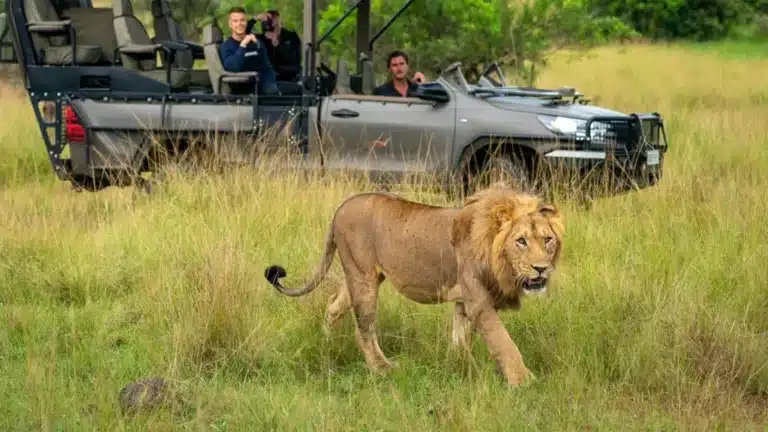
Photographers generally do best prioritising proximity over hospitality extras, since the difference between being the first vehicle at a crossing point and arriving after twenty others have already positioned themselves matters more to a photographer than a plunge pool or a wine list. Singita Mara River Tented Camp’s position directly on the river bend, and Sayari’s proximity to multiple Kogatende crossing points, both suit this priority well. Honeymooners and travellers marking a specific occasion tend to gravitate toward Singita Sasakwa in the Grumeti Reserves or Lamai Serengeti in the north, both chosen as often for the setting and the level of service as for raw proximity to the herds. Families travelling with children should check age policies directly, since several of the smaller mobile camps set a minimum age of five or six for safety reasons around open sided tents and unfenced camps, while some of the Ndutu properties, Malaika Ndutu Luxury Camp among them, are specifically set up with interconnected family suites. Travellers who have already done a conventional migration trip and want something quieter should look first at the Grumeti’s June window and at Nimali Mara or Klein’s Camp in the north, all of which trade a slightly lower statistical chance of witnessing the single largest crossing for a considerably less crowded experience.
Combining More Than One Phase in a Single Trip
For travellers with twelve days or more, staying at camps across two migration phases in one trip is a realistic option rather than an ambitious one. A common pattern pairs three or four nights at a Ndutu camp during February’s calving season with a later return trip timed for the July to October crossings, planned as two separate visits within the same year rather than a single continuous journey, since the geography simply does not allow both phases to be seen back to back. Within a single visit, a more achievable combination is the western corridor’s Grumeti crossing in June followed directly by an early northern Serengeti crossing later the same month or in early July, using camps such as Singita Faru Faru for the first leg and Sayari or Lamai Serengeti for the second, connected by a short scheduled flight or road transfer between the Grumeti and Kogatende airstrips rather than a long drive.
How Far Ahead to Book
The northern Serengeti crossing camps for July through October are the single most competitive booking window anywhere in the Serengeti’s calendar, and the smaller, better positioned properties routinely sell out nine to twelve months in advance for peak weeks in August and September. Ndutu’s calving season camps run on a similar, slightly shorter timeline, generally nine to twelve months for exact dates in February, six to eight months for travellers with more flexibility. The Grumeti’s June window is comparatively easier to book at shorter notice, a further point in its favour for travellers who value flexibility as much as they value witnessing a crossing.