Ngorongoro Crater in July sits at the start of the busiest, driest stretch of the entire year, when clear skies, short grass and animals concentrated around shrinking water sources combine to produce some of the most reliable wildlife viewing the crater offers. The trade off is straightforward: July delivers excellent visibility and near guaranteed sightings at the cost of the year’s highest rates and the heaviest vehicle traffic on the crater floor, and travellers weighing this month against the quieter alternatives earlier in the year should go in with a clear sense of which side of that trade off matters more to them.
Weather on the Floor and the Rim
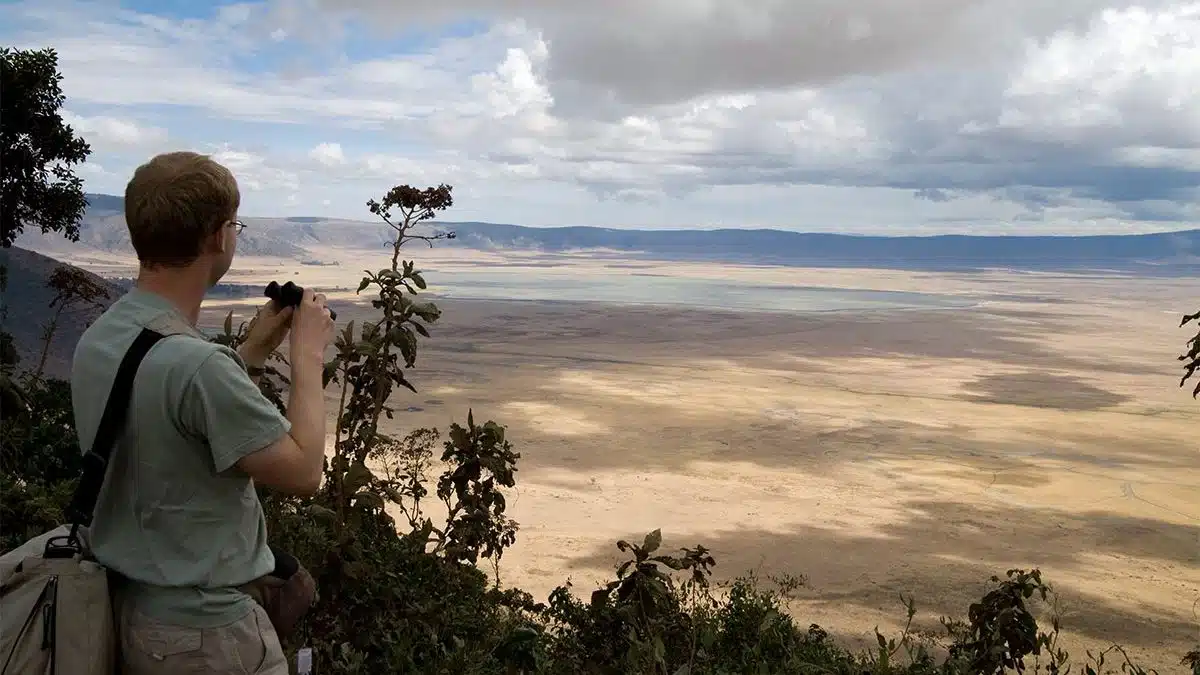
July is one of the driest months of the year across the wider conservation area, with long term records showing monthly totals often below 15mm and rainy days numbering in the low single figures. Daytime temperatures on the crater floor typically hold around 18°C, slightly cooler than the preceding months, while rim mornings turn genuinely cold, with temperatures commonly dropping to 6°C and occasionally lower on a clear night. Skies are reliably clear through July, producing sharp, dust hazed views across the crater floor by midday and consistently good visibility for the early morning descent, even if the cold at that hour is more pronounced than at any other point in the year so far.
Wildlife on the Crater Floor
The crater’s resident population of roughly 25,000 large mammals is at its most visible in July, since the short, dry grass that now covers most of the floor removes much of the cover that can obscure sightings during the wetter months. Lion, buffalo, elephant, hippo and the endangered black rhino, of which around 30 individuals remain resident within the caldera, are frequently all visible within a single day during July, a combination that draws many travellers specifically to this month. Cheetah and serval, both considerably easier to spot against short grass than during the long rains, become more reliable sightings as July progresses, and the resident lion prides near Lake Magadi remain about as predictable a sighting as the crater offers in any month.

Peak Season Begins
July marks the true start of the year’s high season, a status shared with August and, to a slightly lesser extent, September. Vehicle numbers on the crater floor increase substantially compared with June, and because the crater operates under a permit system with a fixed descent and ascent road network across a floor of only around 260 square kilometres, this increase in traffic is considerably more noticeable than it would be across the open plains of the Serengeti. A popular sighting, such as a pride of lion resting near a kill, can draw a genuine cluster of vehicles during July in a way that rarely happens during the quieter months earlier in the year.
Water Levels and Grazing Patterns
Lake Magadi continues its seasonal decline through July, shrinking toward a smaller, more concentrated body of water that draws large mammals and birdlife alike to a shrinking number of reliable sources. The Gorigor Swamp dries substantially by July, and grazing herds that were dispersed across the floor during the wetter months are now firmly concentrated around Lake Magadi and the springs near Ngoitokitok, producing predictable, repeatable sightings for guides who know exactly where to look at any given time of day. Hippo pods become especially concentrated within the remaining deep pools during July, and elephant, which favour the Lerai Forest more heavily during the wetter months, spend more time near open water sources on the floor itself as the dry season deepens.
Crowds and Rates
July sits firmly within the year’s highest pricing band at rim lodges, with properties such as Ngorongoro Serena, Sopa Lodge and the higher end Ngorongoro Crater Lodge commanding their top nightly rates and generally requiring booking many months in advance to secure a room with a crater view. Availability across the wider rim tightens considerably compared with June, and travellers arriving without a confirmed reservation are unlikely to find suitable accommodation at short notice during this month.
Road Conditions and Practical Notes
The Seneto descent road and the Lerai ascent road are dry and generally in good condition throughout July, though dust becomes a genuine consideration for the first time in the year, both for visibility on the road itself and for camera equipment carried on game drives. Malaria risk remains at its lowest point of the year given the absence of standing water, though prevention measures are still sensible given the region’s year round risk profile. The dust itself can be persistent enough by mid July to leave a fine film over vehicle windows and camera lenses by the end of a full day on the floor, so wiping down equipment each evening becomes a routine habit for guides and repeat visitors alike during this stretch of the dry season.
Combining July With Kilimanjaro and the Serengeti
July is a popular month for combining a crater visit with a Kilimanjaro climb, since the cool, dry conditions on the mountain during this period closely track the improving conditions at the crater. It also coincides with the build up to the Serengeti’s peak river crossing season further north, which typically intensifies from August onward, making July a logical starting point for a longer northern circuit itinerary that continues on to the Serengeti afterward.

Rim Lodges and Where to Stay
Securing a room at a preferred rim lodge for July typically requires booking nine to twelve months ahead, particularly for properties with the most sought after crater facing rooms, such as Ngorongoro Crater Lodge and the higher tier rooms at Ngorongoro Serena. Travellers who leave booking until a few months before a July trip often find their first choice property fully booked and need to consider alternatives further along the rim or accept a room without a direct crater view. This lead time is worth planning around specifically for July, since it is considerably longer than the booking window needed for the quieter months of the year.

Managing Vehicle Congestion at Popular Sightings
Because the crater operates a permit system limiting each vehicle to a set number of hours on the floor, and because the descent and ascent roads funnel every vehicle through the same limited network, July’s higher vehicle numbers are most noticeable at a handful of consistently popular sightings rather than spread evenly across the whole floor. Experienced guides manage this by timing their descent to arrive early, before the bulk of vehicles enter the crater, and by using radio contact to learn which areas are already busy before committing to a particular route. Travellers who value a quieter, less crowded experience even during July are well served by an operator whose guides prioritise an early start over a later, more leisurely descent.
Getting to the Crater in July
The road from Arusha remains in good condition throughout July, and the drive of roughly three to four hours through Mto wa Mbu and up the Rift Valley escarpment is straightforward, if increasingly shared with other safari vehicles making the same journey during peak season. Scheduled flights to the Lake Manyara airstrip run at their highest frequency of the year during July, reflecting the elevated demand across the whole northern circuit, though seats on popular timings should still be booked well ahead given how full the route becomes during this month.
Birdlife in July
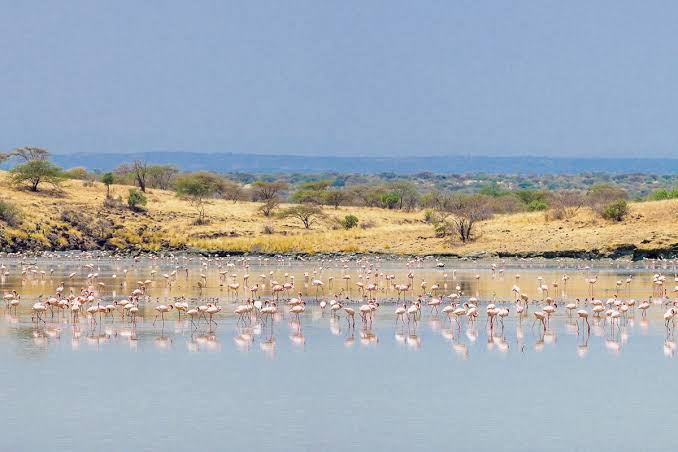
Birdlife in July is concentrated rather than abundant in the way it is during the wetter months, with the shrinking waters of Lake Magadi drawing large flocks of flamingo and other waterbirds into a smaller, more photogenic area. Overall species diversity trends lower than during the rains, but the concentration effect around the remaining water sources often produces easier, more predictable birdwatching than the more dispersed conditions of March through May.
How July Compares to June and August
July represents a clear step up in both intensity and cost compared with June, with noticeably more vehicles at the gate, higher lodge rates and a busier atmosphere on the crater floor generally. Compared with August, July is marginally quieter and slightly cheaper on average, though the difference between the two months is far smaller than the difference between July and June, since both July and August sit within the same core peak season window. Wildlife visibility is broadly comparable between the two months, with August typically offering a slight edge in concentration as the dry season deepens further.
Photography in July
July offers reliably sharp, clear conditions for photography, with short grass improving sightlines to smaller predators and consistently good light through most of the day. The main challenge for photographers during July is less about weather or visibility and more about managing the number of other vehicles at a popular sighting, which can limit the angles and space available compared with the quieter months earlier in the year.
What to Pack for a July Visit
Warm layers remain essential for the pre dawn descent, given how cold July mornings on the rim can be, and dust protection for camera gear and electronics becomes a genuine priority rather than an afterthought during this month. A buff or scarf to cover the nose and mouth during a particularly dusty stretch of road is a small addition many repeat visitors find useful specifically for the peak dry season months, and a soft microfibre cloth kept within easy reach makes a genuine difference for keeping a camera lens clean through a full day on the floor.
Who Should Choose July
July suits travellers who want the most reliable, concentrated wildlife viewing the crater offers and who are prepared to accept higher rates and busier conditions in exchange. It is a strong choice for anyone combining the crater with a Kilimanjaro climb or an early Serengeti visit, and for travellers who prioritise a near certain Big Five sighting within a single day over the solitude available during the quieter months of the year. It is a less compelling choice for travellers on a tight budget or for anyone who finds a crowded viewing point genuinely off putting, since neither concern is easily resolved during this specific month regardless of which operator is arranging the trip.
Looking Ahead to July 2027
July’s status as one of the driest, busiest months of the year is set by the same seasonal pattern each year, so the guidance above holds as reliably for a July 2027 booking as for any recent year, even though minor variation in exact rainfall totals is normal from one season to the next. Travellers planning for the 2026 to 2027 travel year who prioritise dry, reliable conditions above value or solitude should expect to book well in advance for a July stay, since demand for this month shows no sign of easing.


