The combination of a game drive safari with a structured cultural village experience is one of the most thoughtful ways to design an East Africa itinerary it places the wildlife encounter within the human context of the landscapes being visited and produces a more complete understanding of what East Africa actually is than either experience provides in isolation. When this combination is designed honestly with genuine community benefit, transparent fee structures and guide quality sufficient to bridge the ecological and cultural dimensions it produces itineraries of exceptional depth.
Why Cultural Experiences Belong in a Safari Itinerary
The wildlife in East Africa’s safari parks exists within a human landscape. The Maasai landowner whose lease payment from the Naboisho Conservancy makes the wildlife corridor economically viable; the Chagga farmer whose terraced plots border Kilimanjaro National Park’s lower boundary; the Zanzibar fisherman whose community’s ancestral relationship to the Indian Ocean reef predates tourism by centuries. These people are not backdrop to the safari experience they are the economic and cultural context that determines whether the ecosystems remain intact for the next generation of visitors.
A cultural village experience that genuinely connects to this context explaining the specific economic relationship between community and conservation, the specific land use decisions that preserve or compromise wildlife habitat, the specific cultural practices that evolved in relationship to the landscape adds a dimension to the safari that no amount of wildlife observation alone provides. It answers the question that every thoughtful safari traveller eventually asks: how is this landscape sustained, and by whom?

Designing the Cultural Component
The specific format of a cultural experience matters enormously. A performative village visit where community members enact traditional practices for visitors without genuine interaction produces a pleasant but superficial encounter. A genuine exchange where the community guide explains current realities, where visitors can ask specific questions about conservation economics and cultural change, where the community has genuine agency in how the encounter is structured produces something qualitatively different. Operators who design for the latter format consistently produce more satisfied clients and more genuine community benefit than those who default to the former.
For Kenya’s Mara ecosystem, the Maasai cultural encounter in the conservancies is the most widely available and most variably executed option. The differences between the best and the worst examples of this encounter within the same geographic area are substantial; the selector is the operator’s knowledge of which specific community relationships are genuine and which are transactional. RYDER Signature visits the specific community programmes we recommend annually and maintains the current assessment that prevents recommending a community programme whose quality has declined since its last evaluation.
Combining Game Drive and Cultural Experience in One Day
The practical scheduling of a game drive and cultural visit in a single day requires specific timing coordination. The most common format: an early morning game drive from five-thirty to nine-thirty, breakfast and a rest period at camp from nine-thirty to noon, and a cultural visit from one to three o’clock when the midday heat limits productive wildlife observation anyway. This schedule captures the best game drive light of the day, provides the physical recovery that the heat of midday requires, and uses the lower-quality wildlife observation window for the cultural visit that benefits from a more relaxed, less rushed pace.

Some itineraries build the cultural visit into a full day’s excursion — driving to a more distant community, spending half a day in the village and returning in time for an afternoon game drive. This format provides more time for genuine engagement and works well when the community is not adjacent to the camp and when the client has specific cultural interests that benefit from extended time. The choice between integrated and full-day formats should be made based on the client’s priorities and the specific community relationship available at the camp.
Cultural Experiences Beyond the Village Visit
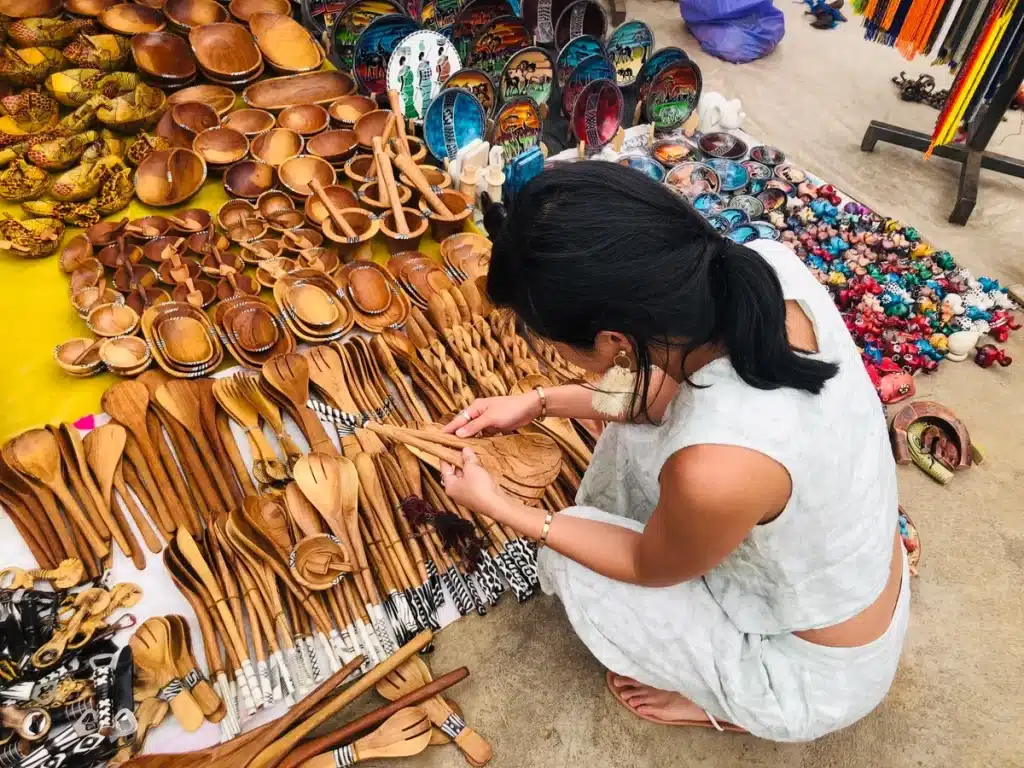
The village visit is the most commonly offered cultural experience in East Africa’s safari market, but it is not the only one. Swahili cooking classes at Zanzibar properties — learning to prepare the spice-based dishes that the island’s culinary tradition produces — provide a hands-on cultural engagement with lasting practical value. Guided Stone Town walks with local historians who can explain the architecture’s specific cultural synthesis are a qualitatively different experience from a standard walking tour. Visits to community schools supported by camp conservation programmes connect visitors directly to the conservation economics that their camp fees fund. Each of these provides a different cultural dimension; an itinerary that includes multiple formats builds a more complete picture of the cultural landscape than a single format repeated.

How long should a cultural village visit take?
A minimum of ninety minutes and ideally two to two and a half hours for a genuine engagement. Shorter visits produce a superficial impression; longer ones (over three hours) can become fatiguing for both visitors and community hosts. The optimal duration allows time for the welcome, the tour of the community’s living spaces, the specific demonstrations or conversations that provide depth, the craft market interaction and the transit to and from the camp without the time pressure that compromises quality.
Is a cultural experience appropriate for children?
Yes, from approximately six years old upward. Children at this age engage naturally with the practical demonstrations — fire making, food preparation, livestock handling — and form connections with their contemporaries in the visited community in ways that adult visitors find more complicated. The pre-visit briefing for children should explain who the community are, why the camp has a relationship with them, and what respect looks like in the specific cultural context — allowing children to participate genuinely rather than observing from a polite distance.

What should I bring to a village visit?
The most appropriate contributions are financial — paying the community fee, purchasing craft items directly from producers — rather than material donations. Well-intentioned donations of pens, sweets or used clothing have documented negative effects on community dynamics and recipient dignity. If there is a specific community project — a school, a medical programme — that can receive a contribution through the camp’s established mechanism, this is more constructive than ad hoc material gifts. Your operator and the camp management can advise on the current most useful contribution if direct financial donation is of interest.