Safari and Cultural Village Experiences Combined
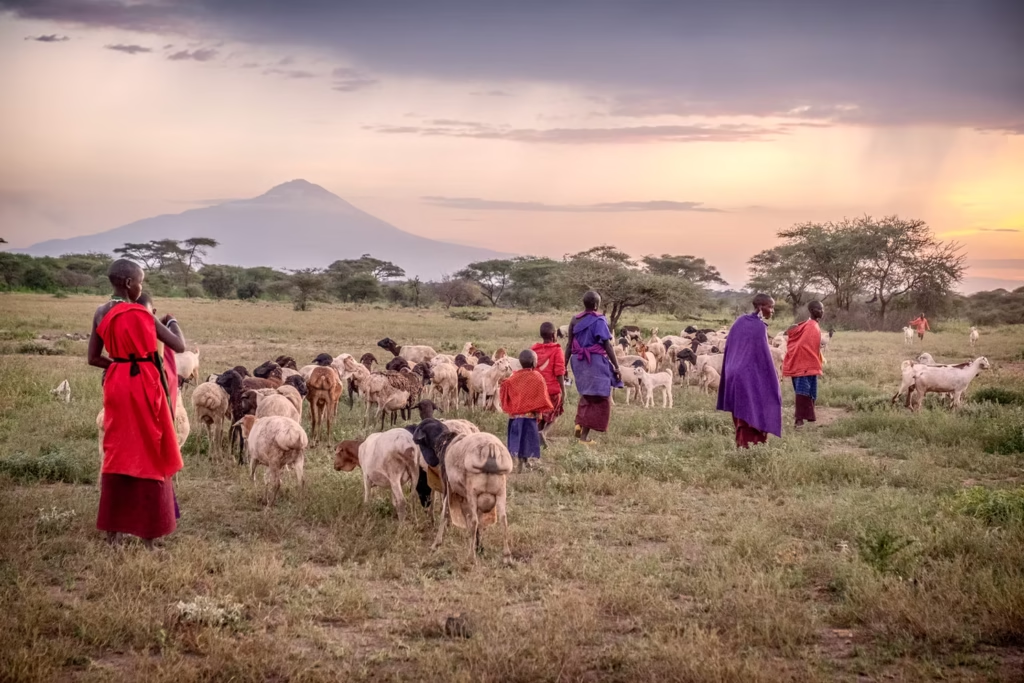
How to combine game drives with genuine cultural experiences in East Africa — designing the programme, choosing responsible operators and what the best encounters provide.
Wildlife Tracking Skills with Safari Guides
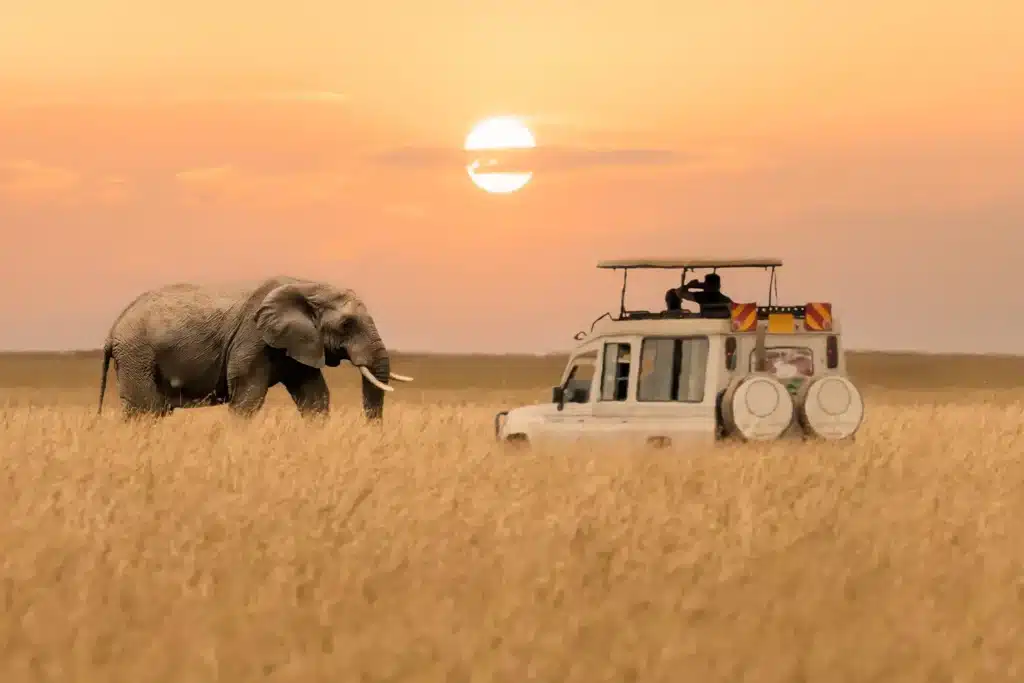
How skilled safari guides find and interpret wildlife — track reading, alarm calls, scent and wind awareness, and the intuitive ecological knowledge built over years.
The Complete Safari Packing List
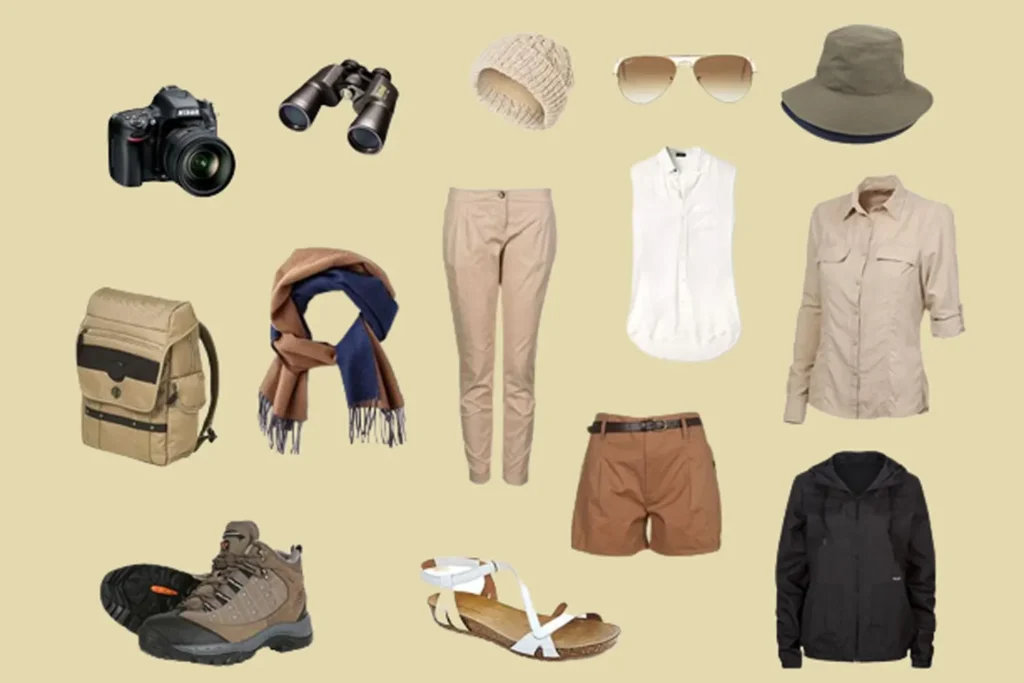
A practical, complete safari packing list — what to bring, what colours to wear, footwear, medical essentials and the items first-timers always forget.
The Big Five Safari Explained

The Big Five — lion, leopard, elephant, buffalo and rhino — explained honestly: their origins, where to see them, and what makes each encounter special.
Best Safari Destinations for Photographers

The East Africa safari destinations that produce the finest wildlife photography — equipment advice, light management, behaviour vs portrait photography and the photographer’s guide.
Safari With Children: Age Guidelines, Tips & Camp Selection (2026)

Everything parents need to know about taking children on safari — age guidelines, activity adaptations, camp selection, health preparation and how to prepare children.
Cultural Experiences That Complement Safari
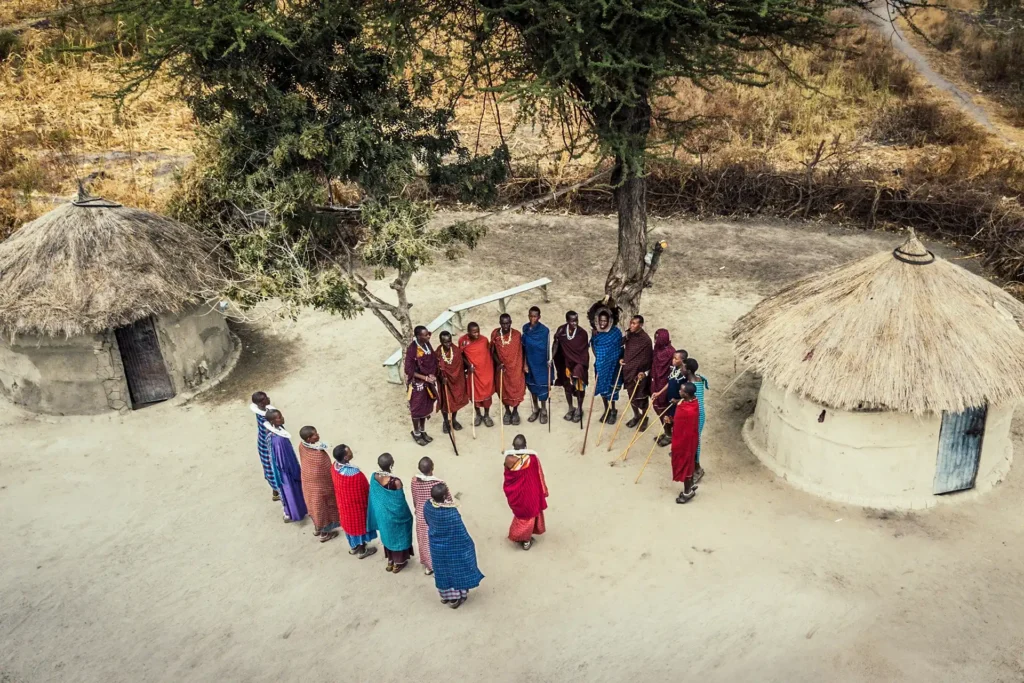
The cultural experiences that add genuine depth to an East Africa safari — Maasai encounters, Stone Town, Chagga visits, craft economies and community engagement.
How Safari Vehicles Affect Your Experience
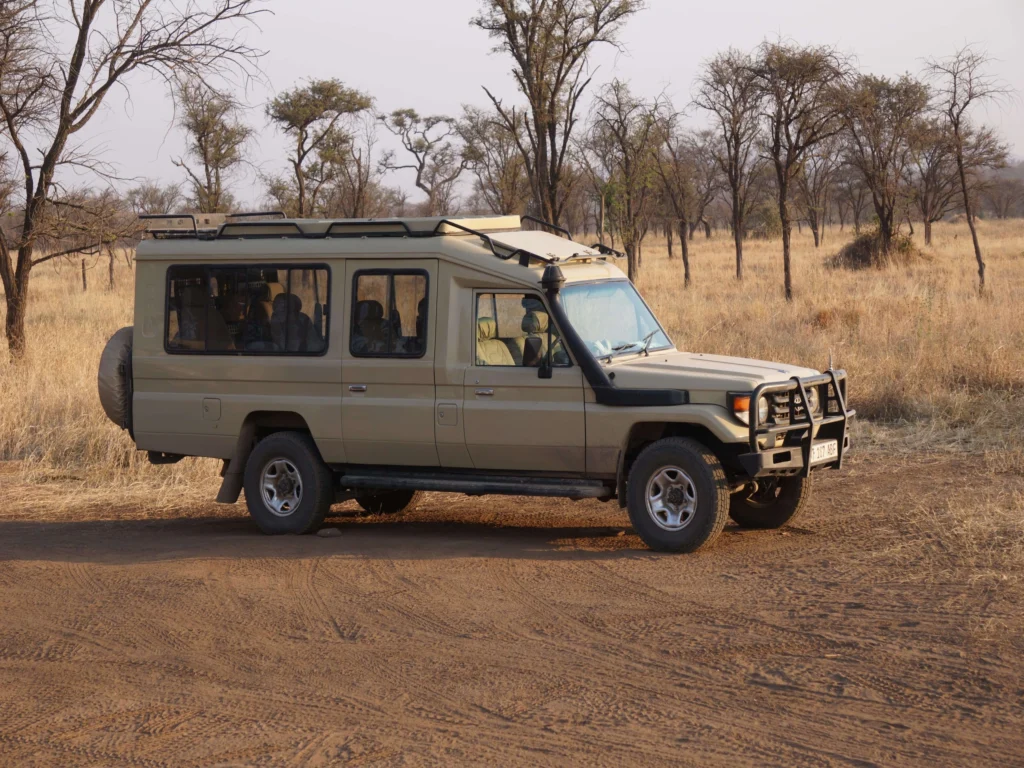
The vehicle configuration, private vs shared, roof design, night drive equipment and guide position all shape your wildlife observation — here is what to look for.
Ethical Wildlife Encounters on Safari: What to Look For
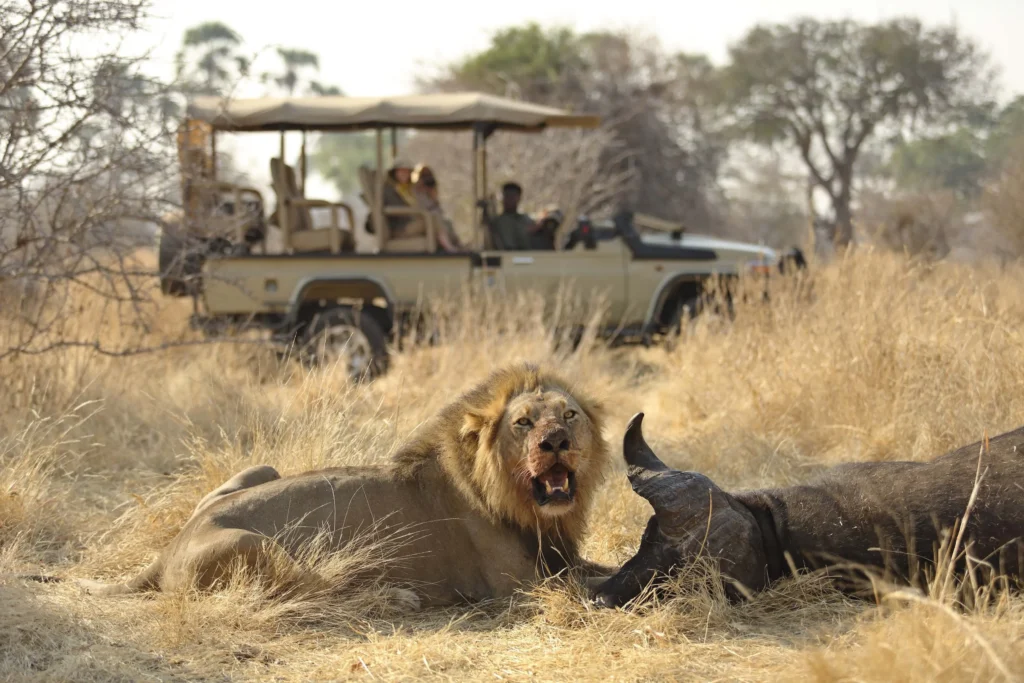
How to assess whether a safari operation conducts wildlife encounters ethically — vehicle behaviour, baiting practices, conservation contribution and guide standards.
What Safari Luxury Really Means in Africa
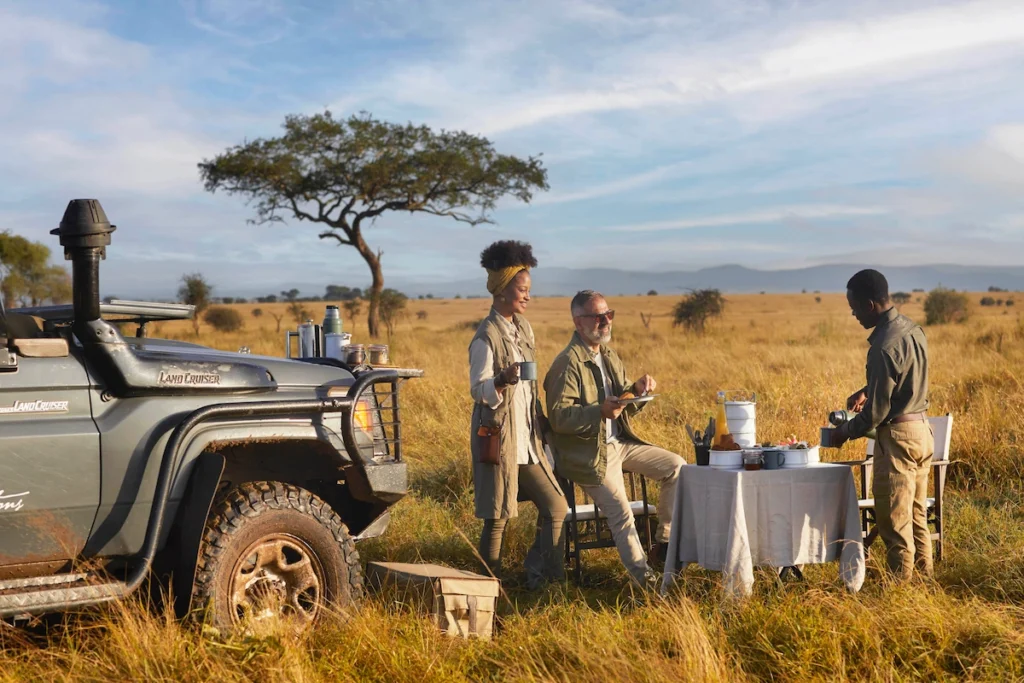
What genuinely makes a safari luxury versus what is premium marketing — guide quality, vehicle exclusivity, camp positioning, and what no amount of thread count can provide.