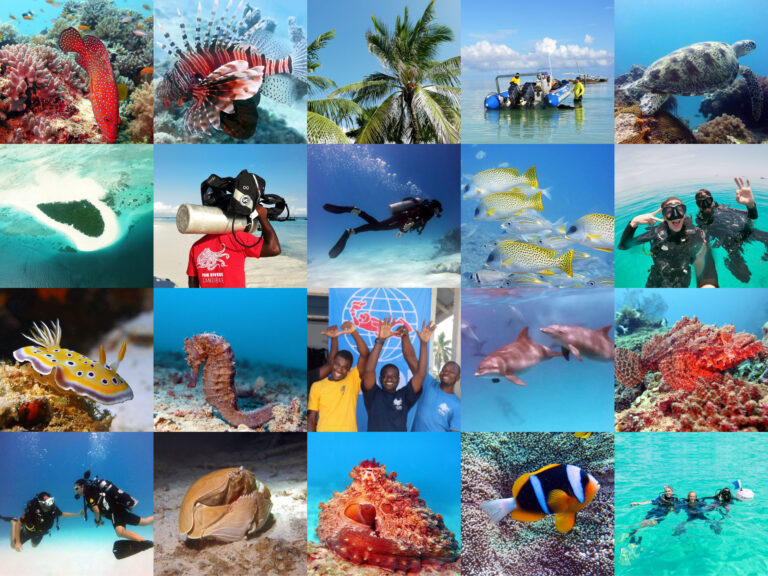
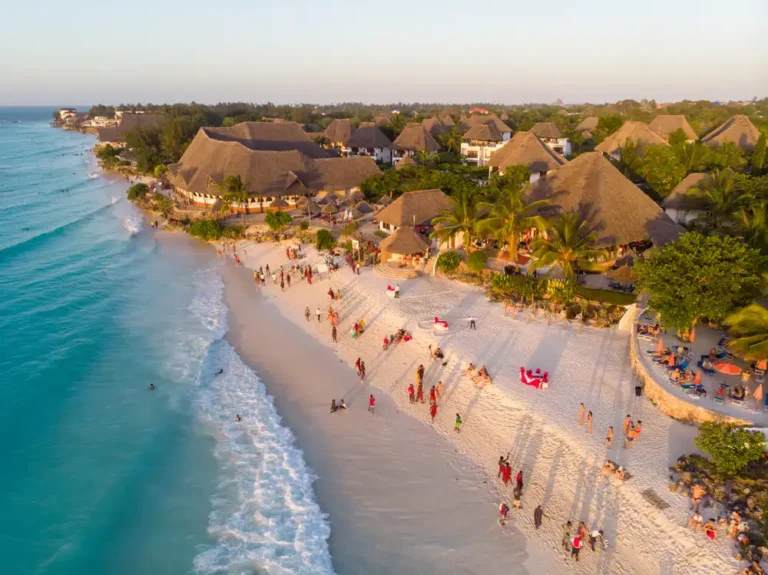
The island-hopping dimension of a Tanzania beach extension is among the most rewarding and least utilised options in East Africa travel planning. Most visitors experience a single island Zanzibar’s main Unguja and return home without knowing that the Zanzibar Archipelago and the broader Tanzania coastal island chain offer environments as varied as the mainland’s national parks. Pemba Island, Mafia Island, Mnemba Atoll, Chumbe Island, Prison Island each has a distinct character and each rewards a visit on its own terms. Combining two or more into a coherent island-hopping itinerary produces an experience of the Tanzania coast that single-destination visitors cannot replicate.
Zanzibar (Unguja): The Indispensable Starting Point
Any Tanzania island-hopping itinerary begins at Unguja not out of obligation but because Unguja provides the infrastructure, the cultural context and the baseline quality that makes the subsequent islands most comprehensible and most enjoyable. Stone Town’s history as the Indian Ocean’s most important spice-trading entrepôt, the developed beach properties of the east and north coast, the accessible Mnemba Atoll snorkelling, and the quality of Zanzibari cuisine are all here on the main island. Starting anywhere else and coming to Unguja afterward is logistically awkward; starting at Unguja and moving outward to the less-visited islands makes the sequence progressively more remote and progressively more extraordinary.
Minimum stay on Unguja for a meaningful island-hopping trip: three nights. This allows Stone Town, Mnemba snorkelling, and the transition to the next island. Four nights allows more a spice tour, a sunset dhow charter, a second beach day without compromising the outer island visits.
Pemba Island: For the Diver
Pemba Island lies fifty kilometres north of Zanzibar and is connected by twice-daily flights from Zanzibar International Airport (approximately thirty minutes) or by ferry (approximately five hours on the slow crossing). The island’s interior is heavily forested and agricultural the most significant clove-producing area in Tanzania with a population that is predominantly Zanzibari in culture but distinct in character from the main island. The tourist infrastructure is minimal by Zanzibar’s standards; there are perhaps a dozen accommodation options, most of them small and several of them specifically targeting the dive market.
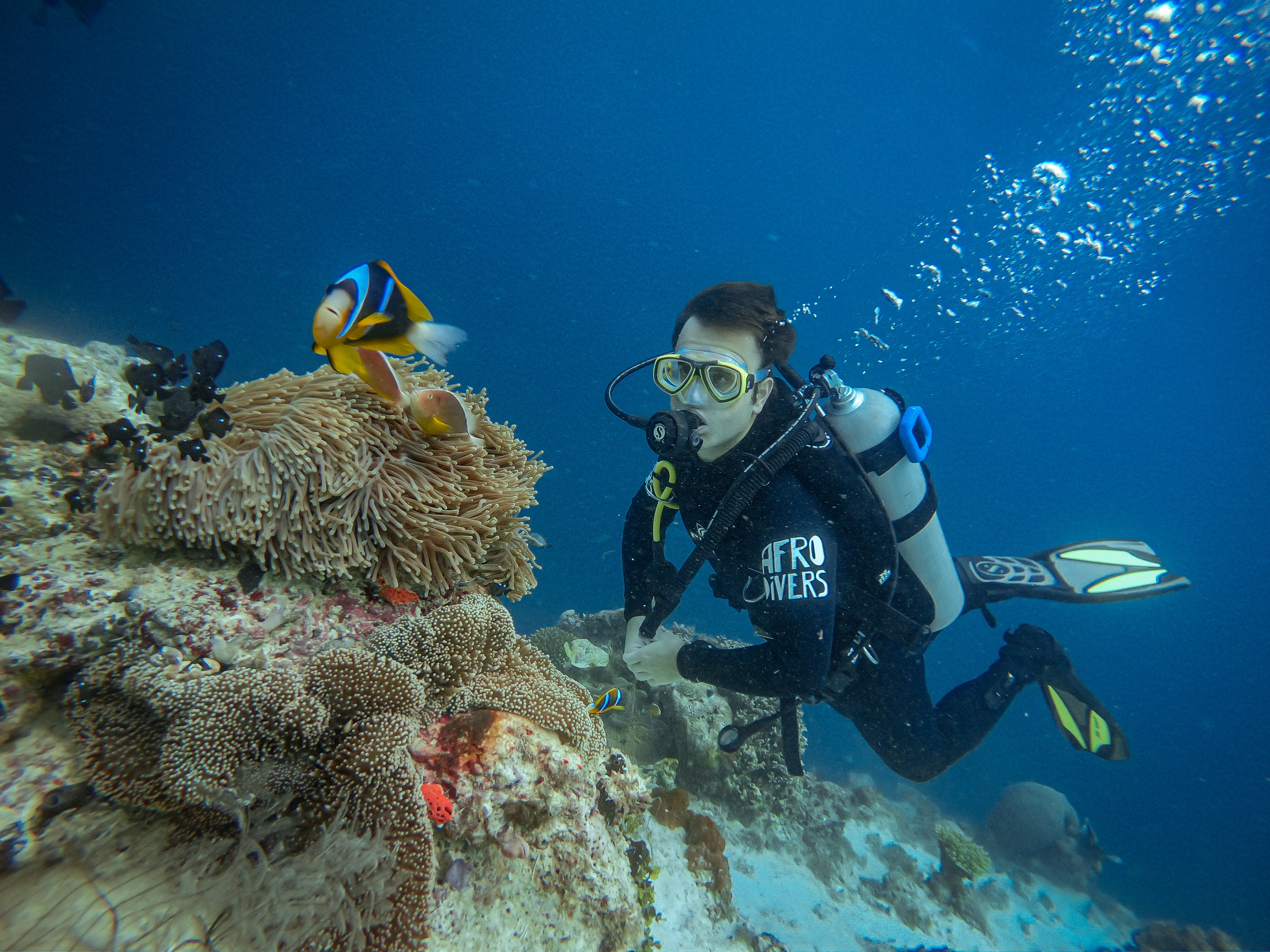
The Pemba Channel, between the island and the mainland, drops to 800 metres in places and is home to one of the most dramatic wall diving environments in the western Indian Ocean. The outer wall sections feature hard and soft coral coverage that rivals anything in the Indian Ocean, with large pelagic species hammerheads, Napoleon wrasse, giant grouper alongside the reef fish that the shallower areas support. For an experienced diver seeking genuinely outstanding diving in a setting that sees a fraction of the visitors of the Red Sea or the Maldives, Pemba is the answer. Two nights minimum; three nights allows the main dive sites to be visited without rushing.
Mafia Island: Whale Sharks and World-Class Marine Park
Mafia Island lies south of Dar es Salaam and requires a connection through the capital or a direct charter from Arusha or Kilimanjaro International. The island is smaller and quieter than Zanzibar, with a handful of quality lodges and a specific identity as a marine conservation destination. The Mafia Island Marine Park covers the southern half of the island and its surrounding waters the most comprehensive marine protection of any Tanzania island.
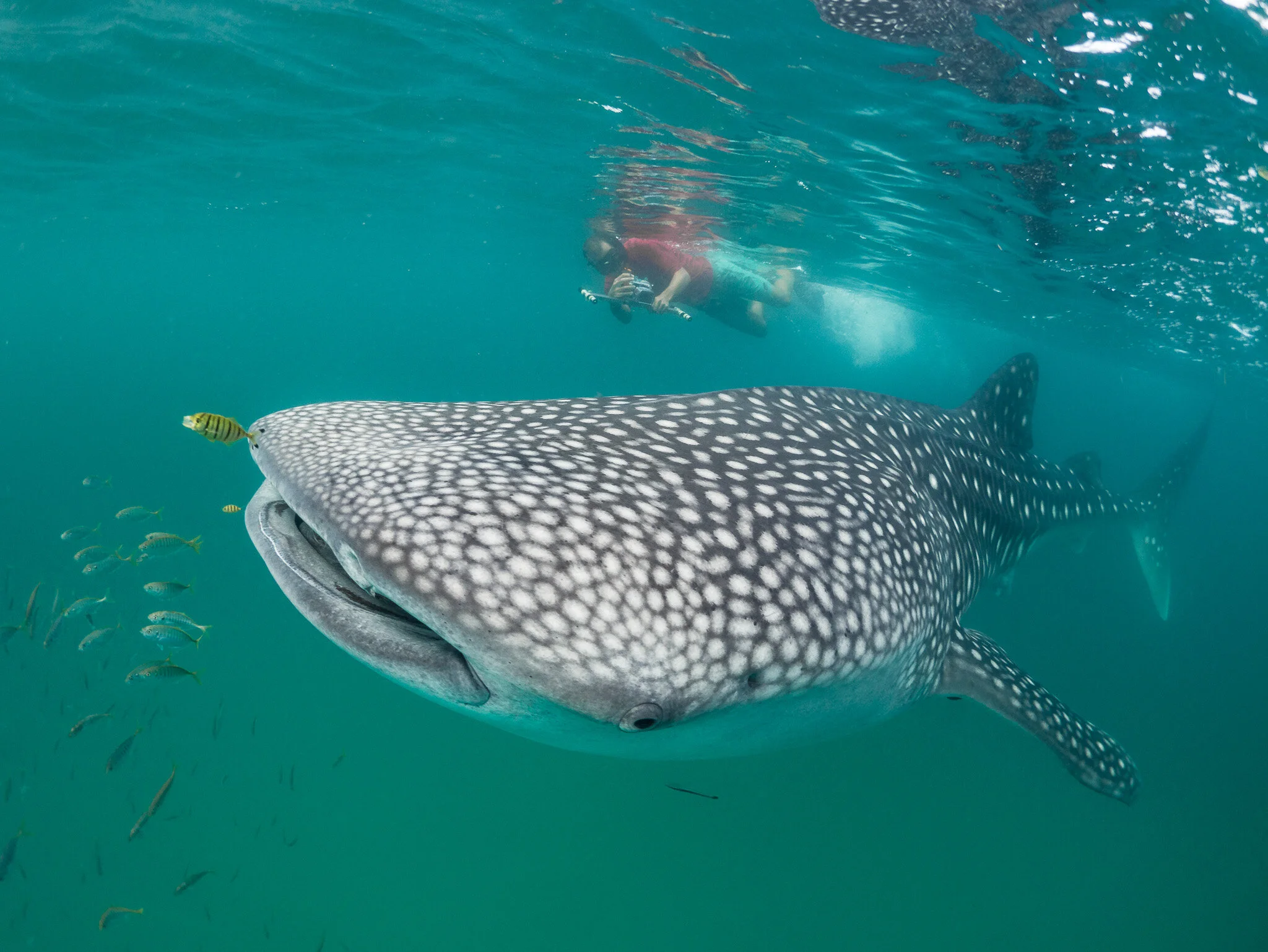
Whale sharks gather in the offshore waters of Mafia from approximately October to March, feeding in the plankton-rich channel. Swimming alongside a whale shark the world’s largest fish, reaching twelve metres or more is one of the most extraordinary marine experiences available anywhere on earth, and Mafia’s whale shark encounters are among the most reliably arranged in the Indian Ocean. The snorkelling and diving within the marine park is also excellent comparable to Mnemba Atoll at Zanzibar but with fewer other visitors and a more remote character. Three nights minimum; four to five nights allows the whale shark excursions to be attempted multiple times, which is relevant given that encounters, while reliable in season, are not guaranteed on any single day.
Chumbe Island: The Conservation Reserve
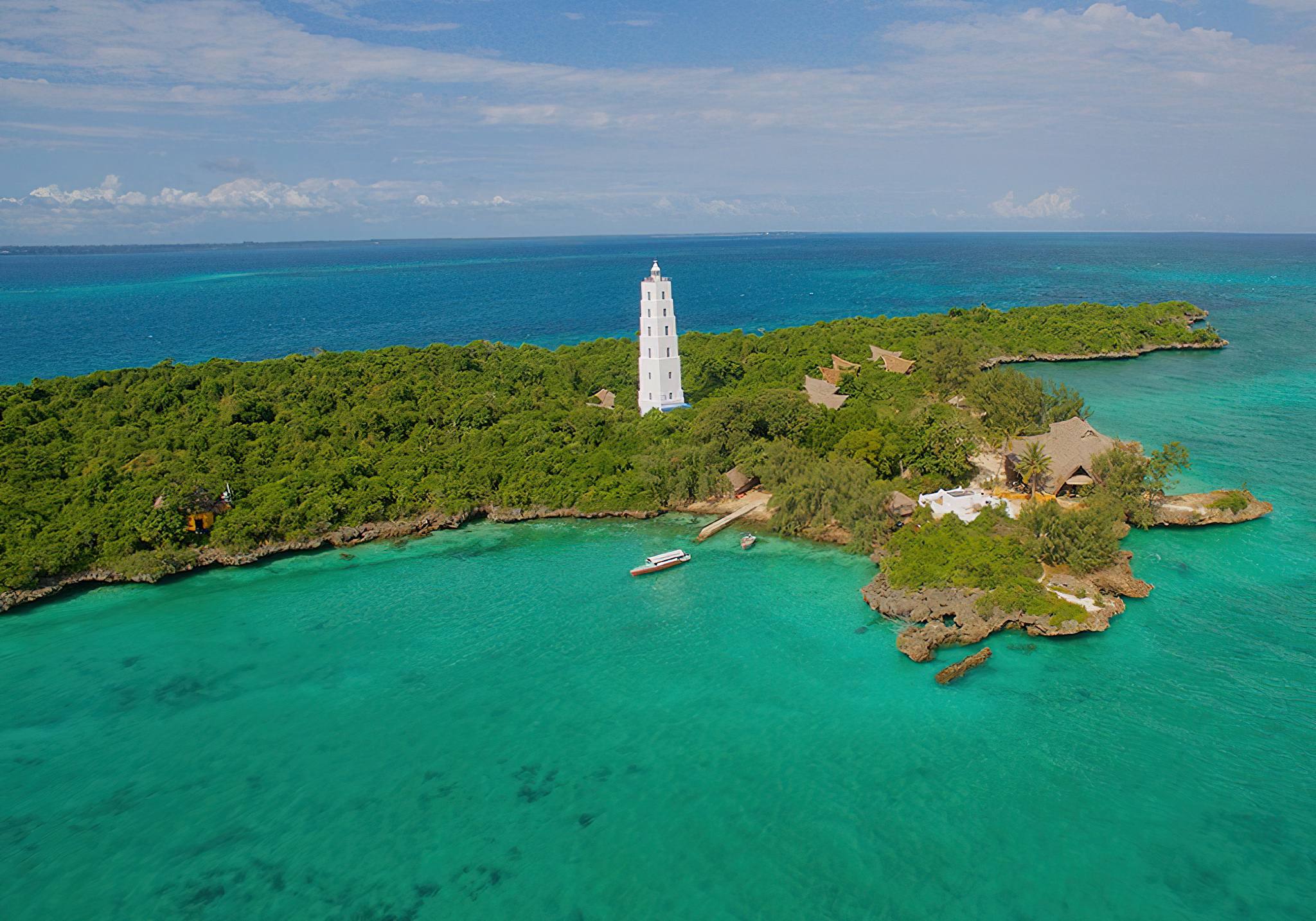
Chumbe Island, just south of Zanzibar’s west coast, is one of the most extraordinary conservation initiatives in East Africa. The entire island is a managed coral reef sanctuary and forest reserve; the accommodation seven architecturally distinctive eco-bungalows is among the most unusual anywhere in the Indian Ocean, powered entirely by solar and wind with rainwater harvesting and composting systems that set a standard few other properties approach. The reef around Chumbe is protected by the conservation authority and supports coral coverage and fish diversity that the more visited reefs around Unguja cannot match in their current state.
A one or two-night Chumbe stay within a longer Zanzibar itinerary provides a specific conservation dimension that the main island’s beach properties, however good, do not offer. Access is by boat from Zanzibar Town, a thirty-minute crossing. The accommodation is booked directly and is limited to fourteen guests at any time; advance booking is essential.
Prison Island (Changuu): The Day-Trip Option
Prison Island, fifteen minutes by boat from Stone Town, hosts one of the oldest tortoise colonies in the Indian Ocean Aldabra giant tortoises, some of them over one hundred years old and weighing 250 kilograms, that wander freely on the island’s interior. A half-day visit to Prison Island can be combined with the Stone Town cultural programme as a morning or afternoon excursion. The island also has a small beach for swimming, though it is not a destination for beach quality the primary draw is the tortoises and the historical context of the island’s past use as a quarantine station for mainland arrivals.
Designing an Island-Hopping Itinerary
The most practical island-hopping format for a post-safari traveller with ten to twelve days total combines: three nights on Unguja (Stone Town, east coast beach, Mnemba snorkelling), two nights on Pemba (if diving is a priority) or three nights on Mafia (if whale shark season applies and the marine park is the priority). A one-night Chumbe addition can be included between Unguja and the outer island if the conservation experience is a specific interest.
The logistics of island transitions are managed entirely by the operator the flight connections, the transfer timing between beach property and airport, the luggage handling across multiple properties. For a traveller who has never island-hopped in this region, the experience of having it managed seamlessly arriving at each island to a property that is ready, with no transit confusion is part of the quality of the experience. RYDER Signature designs island-hopping itineraries as standard and manages the cross-island logistics as an integrated component rather than a series of separately arranged transfers.
How RYDER Signature Approaches Island Itineraries
Our island-hopping recommendations are specific to each client’s diving experience, interest in marine conservation, available time and budget. For a dedicated diver, Pemba is a near-mandatory inclusion. For a whale shark enthusiast visiting in the October-March window, Mafia is essential. For a conservation-minded traveller, Chumbe provides an experience unavailable anywhere else in East Africa. For a traveller whose primary interest is cultural Stone Town, Swahili food, the history of the spice trade Unguja alone, well-designed, is sufficient and the outer islands are additions rather than essentials. The island-hopping itinerary is the most ambitious version of the Tanzania coast experience; when the time and interest align, it is extraordinary.
Do I need to be a certified diver to visit Pemba?
No. Pemba has good snorkelling on its shallower reef sections that non-divers can access from the shore or from snorkelling boats. The world-class diving is in the deeper wall sections that require Open Water certification at minimum and Advanced certification for the most dramatic sites. Most Pemba dive operators offer PADI courses for uncertified visitors who want to learn. The island’s specific appeal is strongest for already-certified divers who can access the full range of its marine environment; non-divers benefit from the quieter character and good snorkelling but miss the experience that makes Pemba genuinely exceptional.
How do I get between Zanzibar and Mafia Island?
There is no direct scheduled service between Zanzibar and Mafia; the connection requires routing through Dar es Salaam. Flights from Zanzibar to Dar take approximately twenty-five minutes; Dar to Mafia takes approximately thirty minutes. The Dar connection can be done as a same-day transit if flight timings align, or as an overnight in Dar if the connection requires it. RYDER Signature plans the routing to minimise transit time and avoid unnecessary overnights where possible.
What is the minimum time needed for a meaningful island-hopping trip?
Seven nights is the practical minimum for two islands: three nights on Unguja and four on Pemba or Mafia. Ten to twelve nights allows three islands to be covered properly. Shorter stays produce a rushed experience where the logistics of moving between islands consume too large a proportion of the available time. Island-hopping is best treated as a self-contained beach extension of at least a week rather than a brief addition to a safari its value accumulates with the depth of time given to each destination.
The Seaweed Farming Context
A distinctive feature of several Zanzibar east coast beaches particularly around Jambiani and Paje is the visible presence of seaweed farming, carried out primarily by local women using traditional rope-and-stake systems in the tidal zone. The seaweed (primarily Eucheuma cottonii and Eucheuma spinosum) is dried and exported for use in cosmetics and food products. The farming is a significant source of income for coastal communities and the women who manage it, and its presence on the beach reflects the working character of these communities rather than their transformation into pure tourist destinations.
For island-hopping travellers, the seaweed farming visible on the east coast beaches is a useful reminder that the places they are visiting are not constructed for tourism they are functioning communities that have adapted to include visitors alongside their primary economic activities. This context enriches the experience for travellers who are paying attention to it. The women farmers visible at low tide on the east coast beaches are managing an industry with a documented economic impact on household income; acknowledging their work, rather than treating them as scenic elements, is both appropriate and human.
The Zanzibar Red Colobus: Forest Wildlife
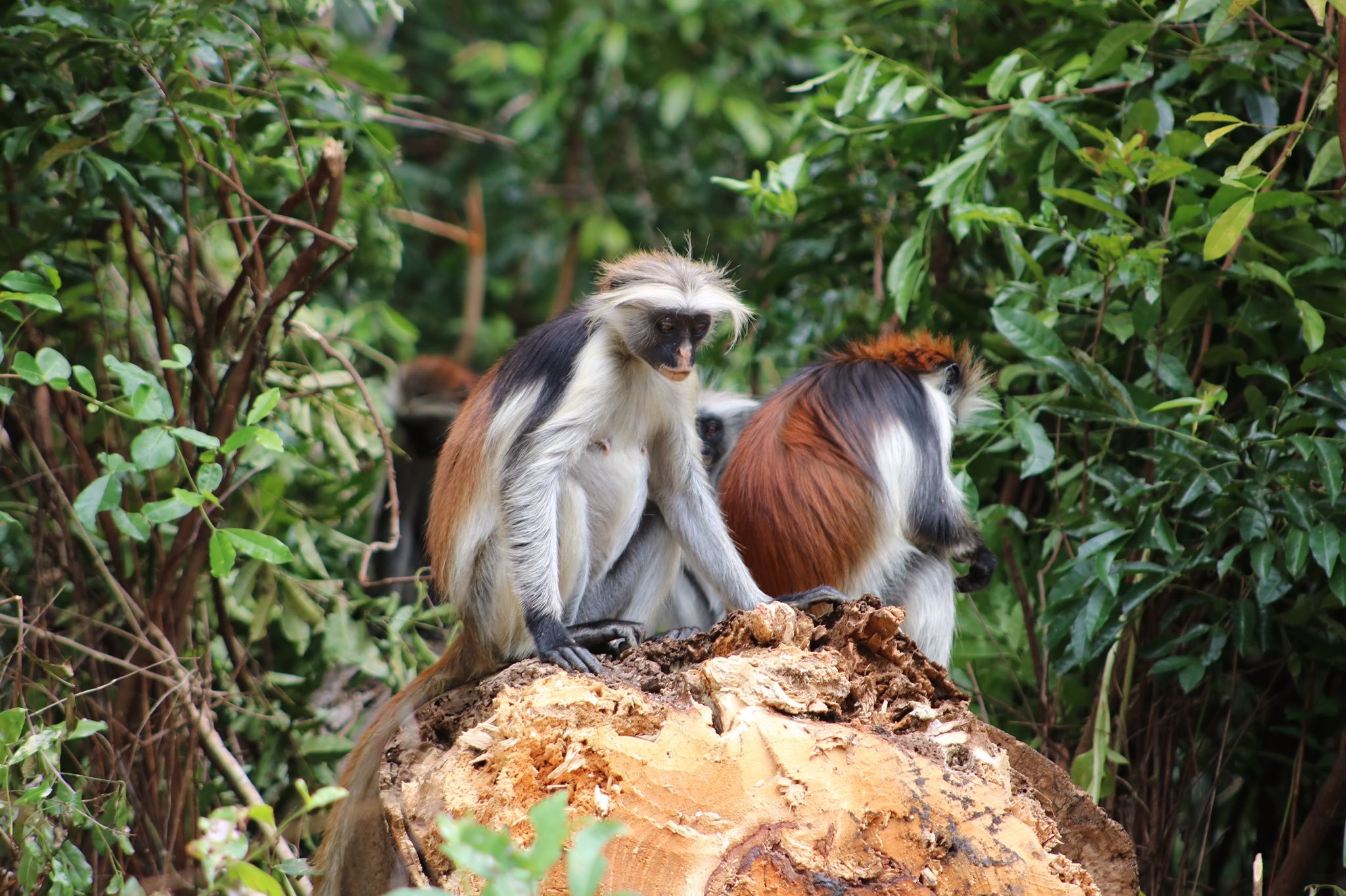
The Jozani-Chwaka Bay National Park in the south-east of Unguja protects one of the world’s most endangered primates: the Zanzibar red colobus monkey, endemic to the island and found nowhere else on earth. An estimated 1,500 individuals remain. A half-day visit to Jozani provides access to forest walks where colobus are regularly encountered at close range their striking black, white and red colouring and their habit of sitting in visible positions in the forest canopy make them easier to observe than most African primates. The park also provides mangrove forest access and a range of bird species specific to the Zanzibar island ecosystem.
Including a Jozani half-day in an island-hopping itinerary based at Unguja provides a terrestrial wildlife dimension that complements the marine focus of the overall programme and provides a unique conservation context the colobus monkey’s endemism and endangered status give the Jozani visit a specific conservation significance that few beach destinations can match.
Practical Island-Hopping Logistics
The logistics of island-hopping in Tanzania are more manageable than they appear from a distance but require competent operator coordination to execute smoothly. The key variables: Zanzibar International Airport handles both international connections and domestic flights to Pemba and Dar es Salaam; the Pemba flight is operated by Coastal Aviation and takes approximately thirty minutes. Mafia Island is served from Dar es Salaam by Coastal Aviation and Auric Air; the flight takes approximately thirty minutes. Chumbe Island is accessed by private boat from Stone Town.
Luggage management across multiple island properties requires soft bags rather than hard-sided cases for the small aircraft. The soft-bag requirement that applies to safari charter flights applies equally to the small planes used for inter-island connections. An operator who briefs clients on this in advance and who manages the storage of any excess luggage at a Zanzibar or Dar hotel during the outer island visits removes the logistical anxiety from the island-hopping experience. The camps and lodges on the outer islands have laundry facilities; five days of island-hopping does not require packing for five days if the on-island logistics are properly communicated.
How RYDER Signature Designs Island Itineraries
Our island-hopping itineraries are built around the specific interests of each client rather than a standard template. For a diving-focused couple, the combination is typically three nights Unguja and three nights Pemba. For a family with children interested in marine conservation, two nights Unguja, one night Chumbe and two nights Mafia provides an extraordinary range of marine environments in a relatively compact timeframe. For travellers focused on the cultural dimension as much as the marine, three nights Unguja (with Stone Town and spice tour) and two nights Pemba provides the right balance. The island-hopping format rewards deliberate design; assembled without attention to the specific interests driving it, it produces a rushed series of arrivals and departures rather than genuine engagement with each island.
Is it more expensive to island-hop than to stay on one island?
Island-hopping adds inter-island flight costs and increases the total number of transfers, which adds some cost. The accommodation costs at Pemba and Mafia are comparable to or slightly below Zanzibar’s quality properties, so the net difference is primarily the flight cost between islands typically USD 150 to USD 250 per sector per person on scheduled services. For travellers who have already committed to the overall East Africa budget of a premium safari and beach extension, this additional cost is modest relative to the experiential gain. Whether it is worth it depends entirely on whether the outer islands are genuinely interesting to the specific traveller diving Pemba’s walls is worth every dollar for a committed diver; it adds no value for someone who does not dive.