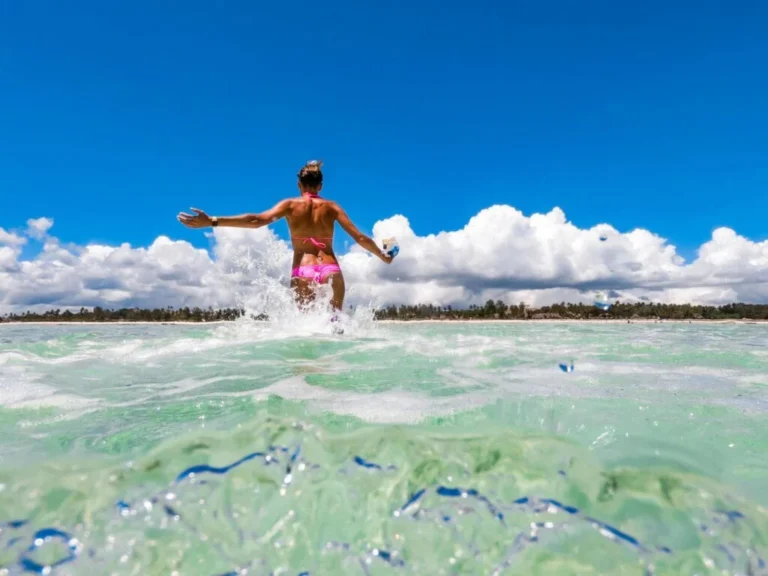
Zanzibar’s coastline runs to roughly 200 kilometres and holds more named beach sections than most visitors have time to explore. The quality range is wide from genuinely excellent, resort-free stretches of white sand with good swimming conditions to heavily developed, overbuilt areas where the natural appeal is buried under beach vendors, loud music and the infrastructure of mass tourism. The best beaches are identifiable, accessible and worth seeking out; the worst are avoidable with the right information. This guide covers the beaches that actually deliver what the category promises.
Understanding Zanzibar’s Beach Geography
Zanzibar’s beaches divide broadly into three zones: the north coast around Nungwi and Kendwa, the east coast running from Matemwe to Jambiani, and the south-east around Kizimkazi. The west coast, facing the mainland, is less remarkable for beach quality the water is murkier and the tidal range more significant and is most relevant as the location of Stone Town rather than as a beach destination. Each of the three main beach zones has distinct character, distinct water conditions and a different atmosphere.
Nungwi and Kendwa: The North Coast
Nungwi, at Zanzibar’s northern tip, has the most consistent swimming conditions of any beach on the island. The tidal range is minimal compared to the east coast, which means swimming is accessible at most hours of the day rather than being tide-dependent. The beach is broad, the sand is white, and the village of Nungwi itself still partly a working dhow-building community adds a character dimension that the more purely resort-oriented beaches further south lack.
Nungwi has been significantly developed over the past two decades and now has a substantial cluster of hotels, restaurants and beach bars that give it the most urban beach character on the island. For travellers who want beach activity, social dining options and easy access to boat trips, Nungwi’s development is an advantage. For those seeking quieter conditions, the density of infrastructure makes it less ideal.

Kendwa, three kilometres south of Nungwi along the coast, offers comparable tidal conditions with a more relaxed atmosphere. The beach itself is excellent wide, clean, with the same consistent swimming water as Nungwi and the accommodation is slightly less densely packed. The full moon party at Kendwa Rocks, a monthly beach event, attracts a significant crowd; this is relevant to know when planning dates if the noise and energy of beach parties is not what you are seeking.
Matemwe: The East Coast Classic
Matemwe, on the north-east coast, is one of Zanzibar’s most beautiful and most photographed beaches. The sand is fine and brilliantly white, the sea is turquoise over the offshore reef, and the village that gives the beach its name provides an authentic Zanzibari community context that the more developed northern beaches have partially lost. The Mnemba Atoll one of the finest snorkelling and diving sites in the western Indian Ocean is directly offshore and accessible by short boat trip from Matemwe.
The east coast beaches including Matemwe are significantly affected by tidal variation. At low tide, the reef is exposed over a wide area and swimming is limited to the tidal pools and channels; at high tide, the sea fills the reef and swimming is excellent. Travellers who are not familiar with tidal patterns can find the low-tide beach exposure surprising if not briefed in advance the beach that appeared to offer swimming at arrival can be a wide flat of exposed reef two hours later. Your property will advise on tide times; the best properties structure activities, meals and sunset watching around the tidal pattern rather than fighting it.

Paje: The East Coast Hub
Paje has emerged as one of Zanzibar’s most popular east coast destinations for independent travellers and younger visitors, driven primarily by its reputation as a kitesurfing destination. The beach is long and the tidal flat behind the reef creates excellent shallow-water kite conditions when the south-east trade winds blow from June to September. Outside the kitesurfing season, Paje retains its active beach character with a cluster of restaurants and beach bars that give it the most energetic atmosphere on the east coast.
For post-safari travellers seeking relaxation rather than sport, Paje’s active character is a matter of preference. The beach itself is beautiful and the property range includes some genuinely excellent accommodation. Travellers who want watersport options with the ability to retreat to a quiet property when activity is complete will find Paje satisfying; those seeking quieter conditions without the beach-bar atmosphere will find Matemwe or Jambiani more suitable.
Jambiani: The Quiet Option
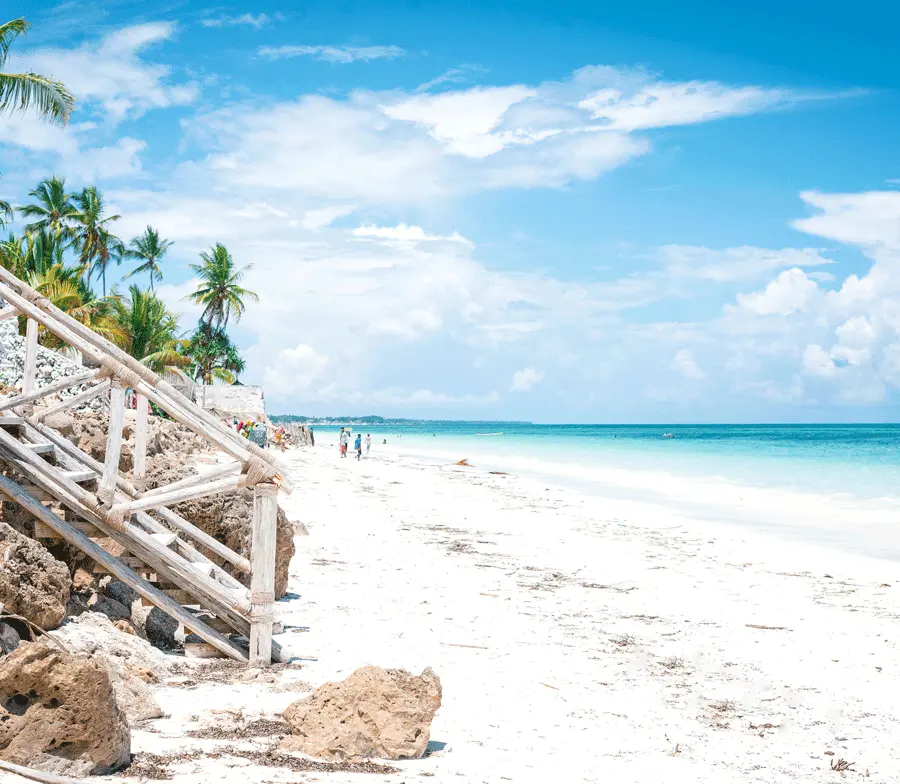
Jambiani, south of Paje on the east coast, is the quietest and most relaxed of the main beach destinations. The village remains a working fishing community with dhow fishing still the primary economic activity alongside tourism, and the beach has a genuinely unhurried character. The accommodation at Jambiani skews toward smaller, family-run properties rather than large resorts, and the overall atmosphere is peaceful in a way that the north coast beaches can no longer provide.
The tidal variation is as significant at Jambiani as elsewhere on the east coast. The seaweed farming that has become an important economic activity for Jambiani’s women is visible on the tidal flats at low tide both an authentic community sight and an indicator that the swimming conditions at that moment are limited. At high tide, the beach and water are excellent.

Kizimkazi: The Dolphin Coast
Kizimkazi, at Zanzibar’s southern tip, is distinguished by its resident dolphin populations Indo-Pacific bottlenose and spinner dolphins regularly encountered in the offshore waters. Dolphin snorkelling trips from Kizimkazi are one of the island’s most popular excursions, though the quality of the experience varies significantly depending on how responsible the boat operators and guides are. The beach itself at Kizimkazi is less developed and less spectacular than the north and east coast options; most visitors come specifically for the dolphin trips rather than as a primary beach destination.

Beach Conditions by Season
The season affects Zanzibar’s beaches primarily through wind and tidal patterns rather than temperature, which remains warm year-round. June to October brings the south-east kaskazi winds, which create choppy conditions on the north coast and excellent kitesurfing conditions on the east coast but are less relevant for most relaxation-focused visitors. December to February is the calmest period overall the north coast is at its best, the east coast is generally swimmable at high tide, and the Indian Ocean has the flat, warm quality that the season’s trade wind patterns produce.
What Beach Property Selection Actually Means
The difference between a good Zanzibar beach experience and an average one is largely determined by the property rather than the beach itself. The best beach properties on the island share specific characteristics: food that is genuinely excellent rather than merely adequate, management that understands the specific needs of safari travellers arriving tired, and a layout that prioritises the beach and the sea rather than internal amenities. A pool with a sunset view, a restaurant serving the Indian Ocean seafood that the island is built on, and staff who provide attentive service without intrusiveness are the qualities to seek.
Properties that are beautiful from a distance but poorly managed the kind that have been renovated since the reviews you read were written, or whose quality varies between peak and shoulder seasons are one of the most common disappointments in Zanzibar travel. An operator who visits their recommended properties annually and maintains current knowledge of their standard is the most reliable guide to selection.
How RYDER Signature Selects Zanzibar Beach Properties
Our beach property recommendations are based on current visits rather than historical reputation. We review the properties we recommend at least annually and update our assessments when standards change. For post-safari clients, we weight food quality and management consistency most heavily a beautiful property with inconsistent food and service does not provide the restorative experience that concludes a premium safari well. We match the property specifically to each client’s preferences: quieter south or east coast for those seeking rest, more active north coast for those wanting activity and atmosphere.
Is Zanzibar’s water safe for swimming?
Yes. The Indian Ocean around Zanzibar is warm, clear and safe for swimming at appropriate tide levels. Snorkelling is excellent on the east coast offshore reefs, particularly around Mnemba Atoll. There are no significant marine hazards for swimmers in the designated swimming areas box jellyfish, which are found in some Indian Ocean environments, are not a regular concern at Zanzibar’s beaches. The main swimming consideration is tidal timing on the east coast, where low tide exposes the reef and limits open-water swimming to the channels.
Which beach is best for snorkelling?
Matemwe, for the combination of its beach character and its proximity to Mnemba Atoll. A boat trip from Matemwe to the Mnemba marine conservation area offers some of the finest snorkelling in the western Indian Ocean coral gardens, sea turtles, reef sharks and hundreds of reef fish species. The atoll is day-trip accessible from properties on the north and east coast, with the shortest transfer time from Matemwe itself. Nungwi and Kendwa offer decent snorkelling on the reef just offshore, though the Mnemba trip from further south is significantly better in terms of marine life diversity and coral health.
How many nights does a Zanzibar beach stay need to be worthwhile?
Three nights is the minimum for a genuine beach extension. Two nights barely allows for arrival day adjustment and one full beach day before departure. With three nights, there is time for a Stone Town half-day, a full beach day and a Mnemba snorkelling excursion. Four nights is the standard recommendation for post-safari travellers who want to include both rest and activity. Five or more nights suits travellers who are doing a diving course, a multi-day dhow trip or a more comprehensive cultural programme of the island.
What Tide and Season Actually Mean for Beach Quality
Understanding tidal patterns on Zanzibar’s east coast transforms the beach experience from confusing to comprehensible. The island’s east-facing beaches sit on the outer edge of the coral reef shelf that extends a kilometre or more into the Indian Ocean. At low tide, this shelf is partially exposed a wide flat of reef rock, seagrass and shallow pools that is fascinating to walk on but not ideal for open-water swimming. At high tide, the sea fills the reef shelf and the beach is bordered by swimmable turquoise water that matches every photograph that made Zanzibar famous.
The tide cycle on Zanzibar repeats approximately every twelve hours, meaning that on any given day there will be roughly two periods of high water and two of low water. The specific timing shifts by about fifty minutes each day. Most beach properties provide a printed tide timetable, and the best ones schedule their meals, boat trips and activities around the tide to maximise the pleasant water periods and provide interesting alternatives during the low-water windows. A property that does not do this that serves lunch at a time when the beach is a mudflat and offers the pool as the only alternative is not fully managing the experience it is selling.
The north coast beaches at Nungwi and Kendwa are largely exempt from this consideration because the reef shelf on the northern tip of the island is narrow and the tidal variation is much smaller than on the east coast. This is one of the practical arguments for the north coast for travellers who specifically want hassle-free swimming at any hour: the water is consistently available in a way that the east coast beaches require planning to match.
The Role of Local Community in Beach Character
Zanzibar’s beaches that retain genuine community character Matemwe with its fishermen, Jambiani with its seaweed farmers, Nungwi with its dhow builders have a quality of authenticity that the more heavily commercialised stretches lack. The presence of actual community life alongside the tourist infrastructure is not always comfortable in a conventional resort sense: fishing boats are pulled up on the beach, seaweed farming structures extend into the water, the sounds of community activity are present alongside the sounds of the sea. For travellers who value this kind of context, it adds rather than subtracts from the experience.
For travellers who specifically want a resort environment insulated from community activity, the more developed sections of the north coast provide this. Both preferences are valid; the property selection should reflect which is the priority. An operator who understands the difference between these preferences and selects accordingly is providing a service that comparison sites and generic review platforms cannot replicate.
Sunset and Evening Beach Character
Zanzibar’s east coast faces east, which means the mornings are brilliant the sun rises directly over the ocean and the early light on the water and the beach is exceptional. The evenings are shadier, with the sun setting behind the island’s interior rather than over the sea. For the classic Indian Ocean sunset view, the north coast at Kendwa or Nungwi facing north-west provides the best conditions, with the sun dropping into the ocean on calm evenings in a way that the east coast properties cannot match.
The Forodhani Gardens waterfront in Stone Town offers one of the finest Indian Ocean sunset views from any Zanzibar location the old town’s rooftops, the dhow harbour and the open sea combining for a scene that has been photographed millions of times without being fully captured. An evening in Stone Town that begins with a sunset at Forodhani and continues through the night market that assembles at dusk is a genuine experience regardless of how many visitors are sharing it.
How RYDER Signature Navigates Beach Selection
Our beach recommendation for any given client begins with four questions: what is the primary goal of the extension rest, activity, romance, or a combination? What is the appetite for community context versus resort insulation? How important is consistent swimming access versus the beautiful-but-tidal east coast character? And what is the appetite for Stone Town exploration? The answers to these four questions narrow the field to one or two appropriate beach zones and then to the specific properties that perform best in the current season within those zones. The selection is always current not based on the property we used three years ago but on the one performing best now. That distinction, in a market that changes as quickly as Zanzibar’s hospitality sector has over the past decade, is what genuinely useful beach guidance looks like.
What is the best beach on Zanzibar for snorkelling?
Matemwe provides the best access to Mnemba Atoll, which is Zanzibar’s finest snorkelling site. The atoll is a protected marine conservation area with extensive coral gardens, high fish diversity, sea turtles and frequent shark sightings. A boat trip from Matemwe to Mnemba takes approximately twenty minutes. The reef immediately offshore at Matemwe is also good for easier snorkelling at high tide. For the full Zanzibar marine experience, a Matemwe base with a Mnemba excursion is the definitive recommendation.
Are Zanzibar’s beaches crowded?
The north coast beaches Nungwi and Kendwa are the most visited and can be busy during peak season in July and August and over Christmas and New Year. The east coast beaches are significantly quieter, with Matemwe and Jambiani maintaining a peaceful character even in peak periods. The key is property selection: a property with private beach frontage or designated beach access provides a quality of space that the public beach sections do not, regardless of overall visitor numbers in the area.
Which beach is best for a honeymoon?
Matemwe for its combination of scenery, Mnemba Atoll access and the intimacy of its smaller properties. The north coast properties at Kendwa, which offer consistent swimming and sunset views, are a strong alternative. The decisive factor for a honeymoon property is management quality and the specific ambiance of the accommodation rather than the beach itself a beautifully managed small property on a good beach consistently outperforms a mediocre property on the island’s most spectacular beach. Our specific property recommendations for honeymooning couples are based on current management quality and client feedback rather than reputation alone.