Zanzibar Beyond the Beach: Culture, History and Spice Tours
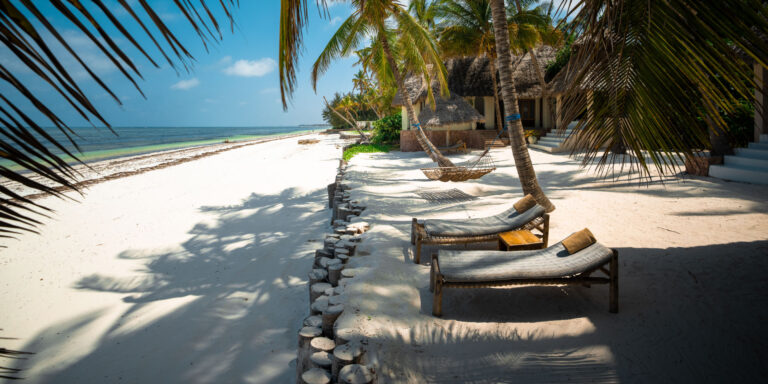
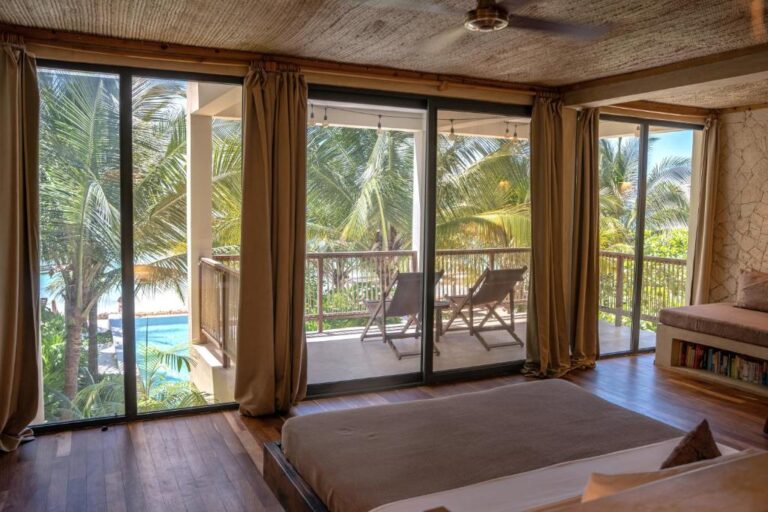
Zanzibar is sold to most of the world as a beach destination and the beaches are, genuinely, extraordinary. But the island’s reduction to its coastline is one of the more significant misrepresentations in East African travel marketing. Zanzibar is also one of the Indian Ocean world’s most historically layered, most culturally specific, and most intellectually rewarding environments a place whose history of Omani sultanate rule, East African slave trade, spice economy, and colonial political complexity is encoded in its architecture, its food, its music, and the daily life of its medina in ways that reward curiosity and repay time.
Travellers who allocate their entire Zanzibar visit to beach and water activities leave having experienced something genuinely beautiful while missing the deeper dimensions that make the island extraordinary rather than merely pleasant. This guide is an argument for allocating at least two to three of your Zanzibar days to the island’s cultural and historical resources and a practical guide to doing so well.
Stone Town: The UNESCO-Listed Medina
Stone Town is Zanzibar’s historic capital and the centre of its cultural identity a dense, navigable, and consistently astonishing medina whose designation as a UNESCO World Heritage Site in 2000 recognised what informed visitors had known for decades: that this is one of the world’s outstanding examples of a living Swahili trading town, with a built environment of exceptional historical integrity and a daily life that still unfolds in and around buildings constructed for purposes that have not fundamentally changed in centuries.
The town was built, primarily between the 17th and early 20th centuries, from coral rag blocks of fossilised coral extracted from the island’s interior on a narrow peninsula on the island’s west coast. The climate-responsive logic of its dense, narrow-streeted layout is immediately visible: the labyrinthine street pattern minimises direct sun exposure, the tall buildings shade the alleys below, and the Indian Ocean breeze is channelled through the corridors of the streets in ways that created natural cooling before air conditioning was conceivable. Walking the medina in the late afternoon, when the light turns golden and the breeze picks up off the water, is among the most atmospheric urban experiences in Africa.
The Carved Doors: Reading Stone Town’s Architecture
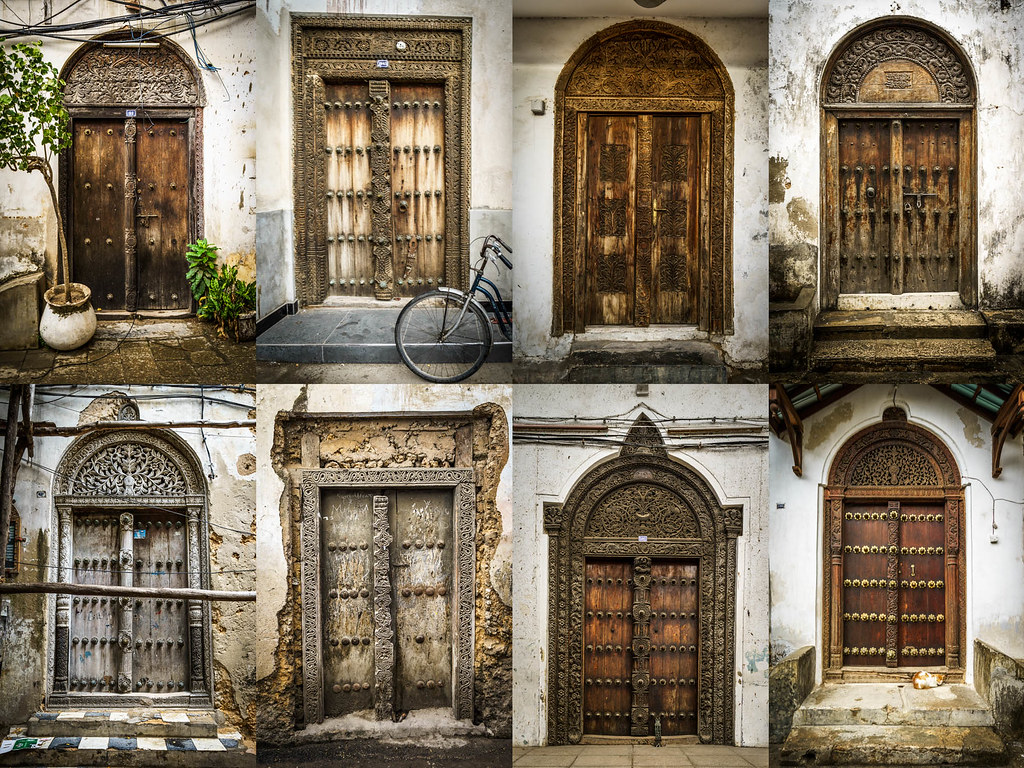
Over 500 traditionally carved wooden doors survive in Stone Town’s medina each one unique, each one a text that trained interpreters can read as a record of its commissioner’s cultural identity, religious affiliation, family status, and commercial network. The door tradition in Stone Town represents the meeting of two distinct decorative vocabularies: Omani Arab doors, characterised by geometric brass studs (studs originally served the functional purpose of discouraging war elephants from battering down gates in the Persian Gulf, a tradition transplanted to East Africa as pure ornament), carved calligraphic inscriptions, and pointed arched frames; and Indian merchant doors, typically taller, with more elaborate carved borders featuring fish, chains, and lotus flowers drawn from the Hindu decorative tradition, and with the larger proportions that signalled commercial wealth rather than aristocratic status.
The finest surviving doors are considered significant works of decorative art several are on display in museum collections internationally, and the quality of carving on the best examples in the medina rivals anything the Indian Ocean world’s craft traditions produced in their prime. A guided door walk arranged through any established Stone Town operator typically takes two to three hours and uses the doors as the structuring framework for a complete architectural and social history of the town.
The House of Wonders (Beit el Ajaib)
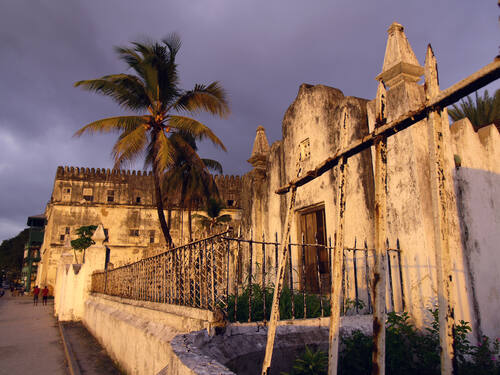
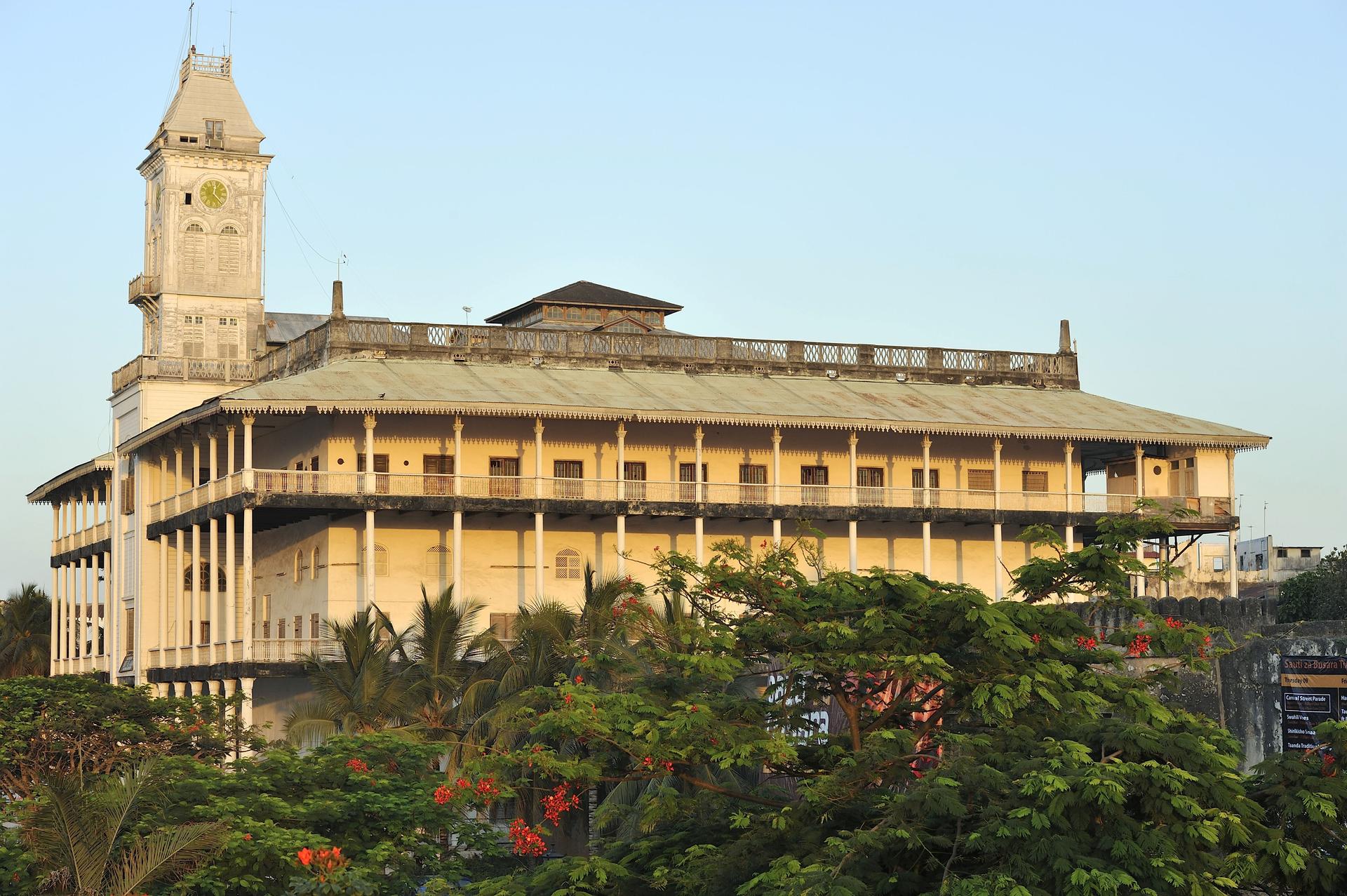
The House of Wonders is the most architecturally imposing building on Stone Town’s waterfront a four-storey ceremonial palace built in 1883 by Sultan Barghash bin Said as a demonstration of his court’s modernity and power, and named for being the first building in East Africa to have electric lighting (powered by a generator installed specifically for the building) and, equally astonishing to its 19th-century visitors, an elevator. The building’s exterior wide verandas supported by decorated iron columns cast in Britain, a clock tower, and the largest carved door in Zanzibar is the defining image of the Stone Town waterfront.
The House of Wonders now functions as the Museum of History and Culture of Zanzibar and the Swahili Coast one of the most significant repositories of Indian Ocean maritime and cultural history in the region. Its collections include traditional dhow navigational instruments, historical photographs of the sultanate period, ceremonial objects from the Omani court, and documentation of the island’s slave trade history presented with appropriate gravity. Allow two hours minimum for a thorough visit.
The Old Arab Fort
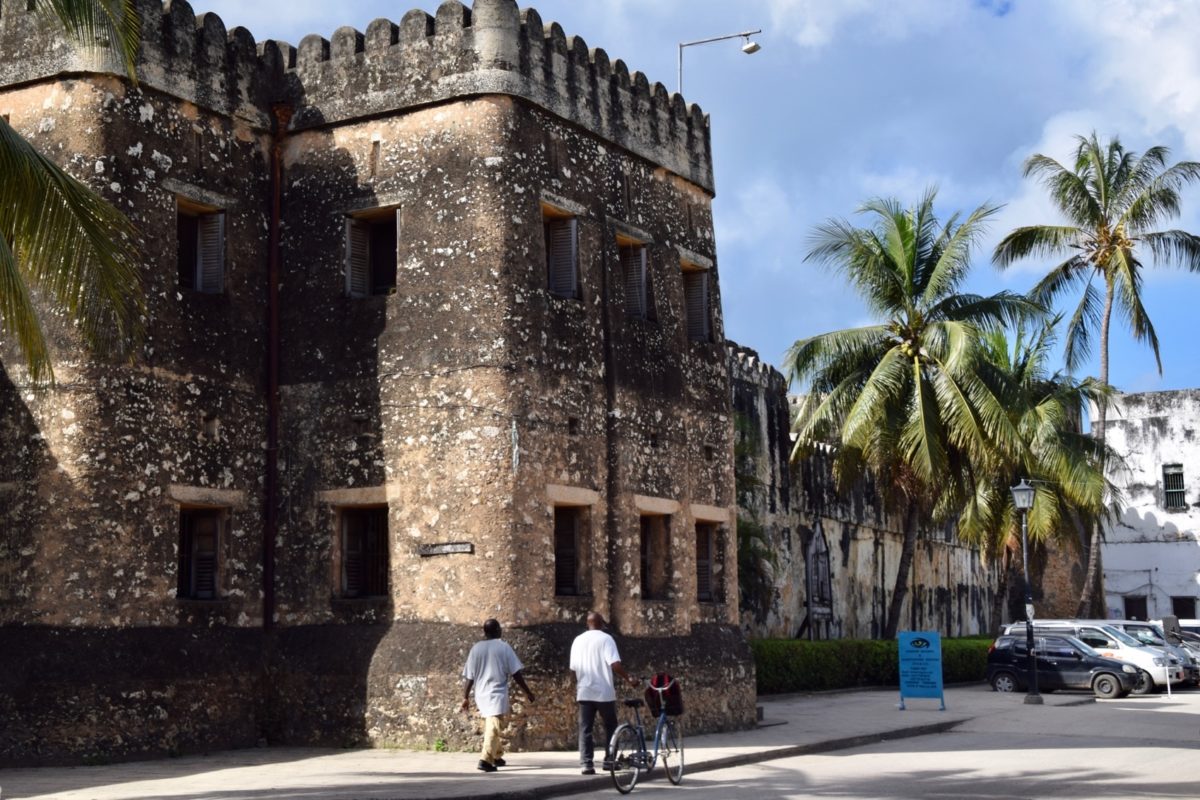
The Old Arab Fort the oldest surviving structure in Stone Town, built by Omani Arabs between 1698 and 1701 on the foundations of a Portuguese chapel is a coral-rag fortification of imposing bulk that occupies the waterfront immediately adjacent to the House of Wonders. Its construction followed the Omani expulsion of the Portuguese from Zanzibar in 1698 one of the decisive moments in the island’s long history of contested sovereignty and was designed simultaneously as a military fortification, a customs house, and a statement of Omani permanence on the island.
The fort’s interior courtyard has been converted into an open-air cultural centre a broad, sand-floored space shaded by a large Casuarina tree where taarab music performances, traditional dance presentations, and crafts markets take place on a programme that varies by season. The Zanzibar International Film Festival (typically held in July) uses the fort’s courtyard as its primary outdoor cinema, projecting films against the ancient walls in an atmosphere that no constructed festival venue could replicate. Even without a scheduled event, the fort’s courtyard is an atmospheric place to sit for an hour with a coffee from the small café on the terrace.
The Slave Trade History: The Anglican Cathedral and Underground Chambers
Zanzibar’s role as the centre of the East African slave trade is the most painful and the most historically significant thread in the island’s complex history. At the peak of the trade in the mid-19th century, as many as 50,000 enslaved people were processed through Zanzibar’s market annually brought from the East African interior by Arab and Swahili traders, confined in the island’s holding pens, and sold to buyers who would transport them to the Persian Gulf, the Indian subcontinent, and the plantation economies of the Mascarene Islands. The total number of people enslaved through Zanzibar across the full period of the trade is estimated in the millions.
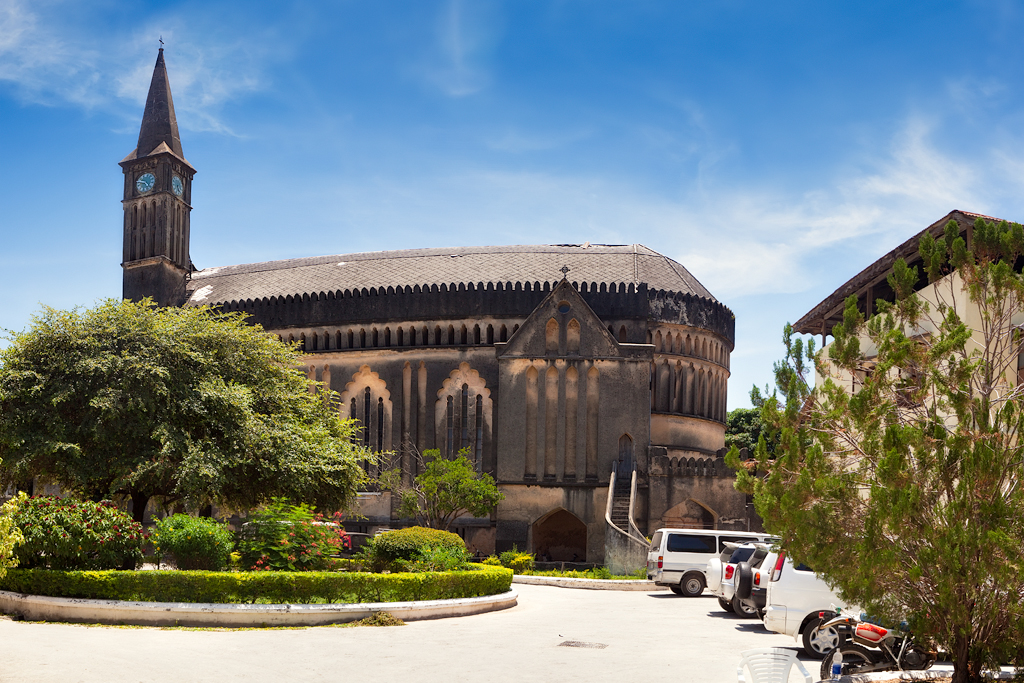
The former slave market site now occupied by the Anglican Cathedral of Christ Church, consecrated in 1879 on the direct initiative of Bishop William Tozer and the Church Missionary Society as a symbolic act of reclamation of the market site is one of the most historically significant and most emotionally affecting sites in Africa. The cathedral’s altar is positioned deliberately on the site of the whipping post where enslaved people were beaten before auction to assess their physical endurance and therefore their value. The underground holding chambers low, airless, stone-walled rooms where enslaved people were confined in conditions of deliberate brutality before their sale are preserved and accessible to visitors through the adjacent museum. No visitor who enters the chambers with the historical context properly understood leaves unmoved.
The museum’s documentation of the slave trade including survivor testimonies, trader records, and the abolitionist campaign that eventually led to the trade’s formal suppression by Sultan Barghash in 1873 under British diplomatic pressure is the most comprehensive available public presentation of the East African slave trade’s scale and mechanism. It is essential context for understanding how Zanzibar became what it is.
Spice Tours: The Fragrant Interior
The spice tour a guided half-day visit to one of the island’s working spice plantations, typically in the Kizimbani or Kindichi areas of Zanzibar’s fertile central plateau is one of the most distinctive and most genuinely informative visitor experiences available anywhere in the Indian Ocean. Zanzibar’s unofficial designation as the Spice Island is not historical hyperbole: the island’s interior, with its deep red laterite soils, consistent rainfall, and tropical temperatures, is among the most productive agricultural environments in the western Indian Ocean, and the plantation system established by the Omani sultans in the early 19th century worked initially by enslaved labour, then by free tenant farmers after abolition transformed the island’s landscape and economy around the cultivation of cloves, nutmeg, cinnamon, vanilla, black pepper, turmeric, cardamom, and ylang-ylang.
At its peak in the 1930s, Zanzibar supplied approximately 90% of the world’s cloves a market dominance that funded the sultanate’s architectural ambitions in Stone Town and created an economic dependency on a single crop that would eventually prove fragile. Contemporary Zanzibar produces a fraction of its historical clove output, but the plantations that survive on the central plateau are working farms of genuine beauty dense green groves of clove, cinnamon, and nutmeg trees interspersed with vanilla vines and pepper bushes, suffused on warm afternoons with a fragrance that is itself a kind of compressed history.
What a Quality Spice Tour Provides
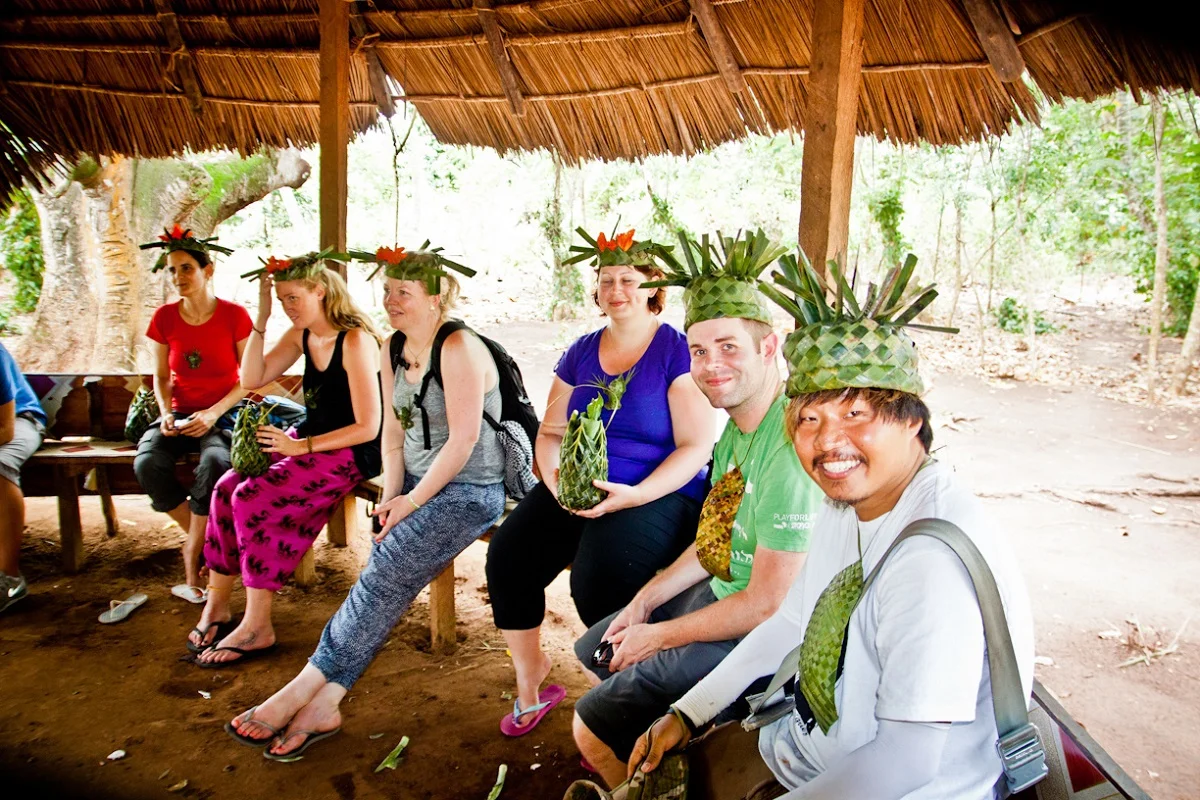
The best spice tour guides do not simply identify plants by name they embed the identification within the history of each spice in Zanzibar’s economy and the story of how it came to the island. Cloves, native to the Maluku Islands of eastern Indonesia, were introduced to Zanzibar by Omani traders in the 1810s and transformed the island’s agricultural character within a generation. Vanilla, native to Mexico, arrived via Madagascar and requires hand pollination in Africa because the specific bee that pollinates it naturally in the Americas is absent. Ylang-ylang, the flower whose essential oil is the base of Chanel No. 5, is grown on Zanzibar’s plantations and exported to perfume manufacturers in France a connection between a coral island in the Indian Ocean and the world’s luxury fragrance industry that consistently surprises visitors.
The best tours conclude with a Swahili lunch prepared using the spices encountered on the walk cardamom rice, coconut fish curry, fresh pineapple with chilli and lime, tamarind juice that provides direct, delicious evidence of what the morning’s botanical education means in practice. The full sensory experience of a quality spice tour sight,smell, taste, and the historical and economic narrative that connects it all is an experience unlike any other in East African tourism.
Traditional Dhow Building at Nungwi
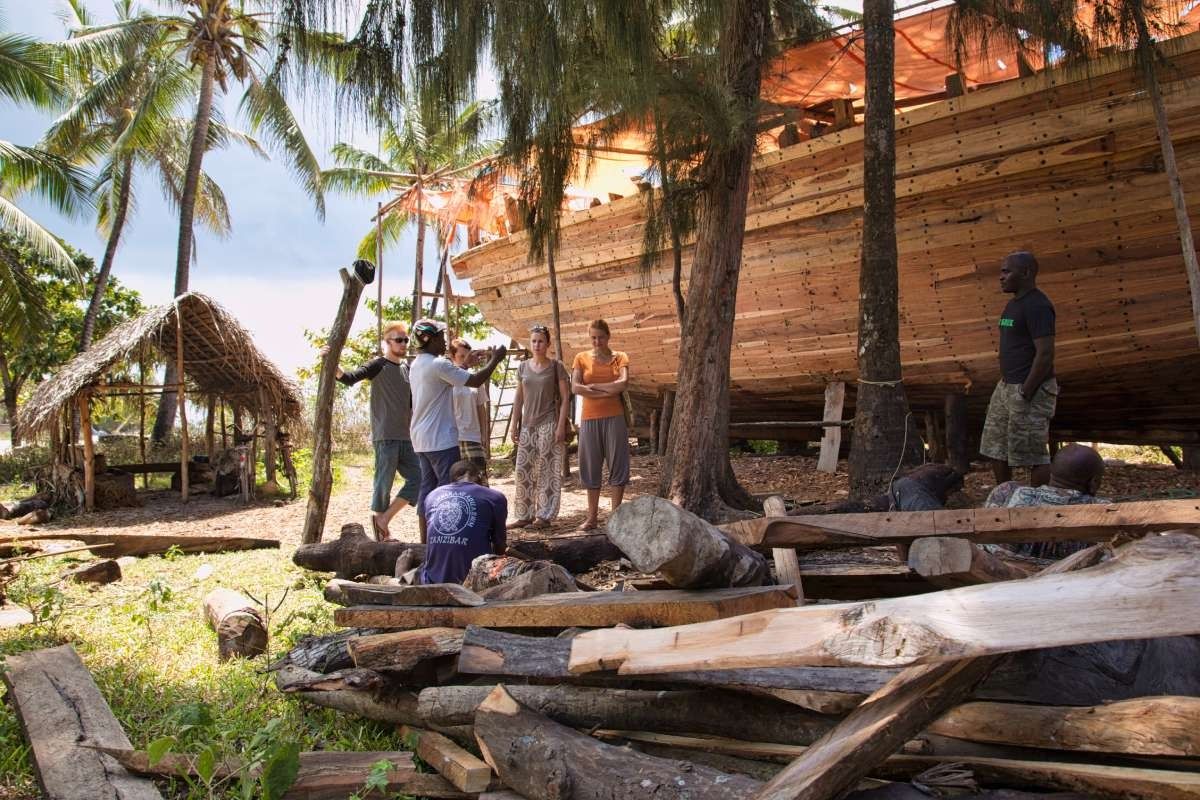
The dhow builders’ yards at Nungwi, on the island’s northern tip, are one of the Indian Ocean’s most remarkable living craft environments working boatyards where traditionally trained craftsmen construct ocean-going wooden vessels using hand tools and construction techniques that combine Persian, Arab, and African seafaring traditions in a methodology that has evolved over fifteen centuries of Indian Ocean navigation. The boats being built here are not museum pieces or tourist props: they are functional vessels commissioned for actual use fishing boats, cargo dhows for the inter-island trade, and the larger jahazi that make the crossing to the Tanzania mainland and beyond.
The craft knowledge embedded in the Nungwi yards specifically in the heads of the master builders (fundi) who lead each construction project is among the most sophisticated traditional technical knowledge in East Africa. A dhow builder constructs an ocean-going hull without plans, without engineering calculations, and without precedent in the modern sense: the hull form is held in the master’s memory and translated into physical form through a combination of direct measurement, the judgement of experienced eyes, and a body of inherited technique that passes from master to apprentice over years of direct working collaboration.
Visiting the yards is not a managed tourist experience in the conventional sense the builders are working, the boats are in various stages of construction, and the atmosphere is that of a functional workplace rather than a cultural display. Visitors who approach with genuine interest and appropriate respect ideally with a guide who has an established relationship with the yard and can facilitate meaningful conversation with the craftsmen find an encounter of real depth. The experience of standing alongside a half-built dhow hull and talking with the man who holds its complete three-dimensional form in his memory, with no external reference, is a specific kind of intellectual encounter with traditional knowledge that makes most of the island’s organised cultural experiences seem superficial by comparison.
Jozani Forest and the Zanzibar Red Colobus
The Jozani-Chwaka Bay National Park, in the island’s south-central zone, protects the largest remaining area of indigenous groundwater forest on Zanzibar a habitat type that once covered significant portions of the island’s interior and was reduced by agricultural clearing and charcoal production to isolated remnant patches, of which Jozani is the largest and most ecologically intact. The forest is the last refuge of the Zanzibar red colobus monkey (Piliocolobus kirkii), an endemic primate species found nowhere else on earth not on the Tanzania mainland, not on Pemba, not anywhere in the world outside Zanzibar’s Unguja island.
The Zanzibar red colobus is classified as endangered the global population, entirely dependent on Jozani and its surrounding forest fragments, is estimated at approximately 3,000 individuals. The habituation programme that began in the 1990s, under which specific groups of colobus were gradually accustomed to human presence over many months of patient, non-intrusive contact, has created a population of forest-dwelling primates whose response to visitors is one of cheerful indifference rather than flight. The habituated groups move through the forest canopy at close range, descend to ground level with apparent curiosity about the primates on two legs watching from below, and go about the business of feeding, grooming, and resting with a relaxed confidence that produces close, unhurried wildlife encounters of extraordinary quality.
The colobus’s physical appearance a dramatically patterned coat of black and brick-red, a white-fringed face with an almost beatific expression, and the long tufted tail that gives the species its local name creates photographic opportunities that rival any on the conventional safari circuit, in a forest environment of lush beauty that the open savannah cannot match. A Jozani visit combined with a Stone Town day creates a single itinerary day of remarkable range: ancient urban history in the morning, endemic wildlife in the forest in the afternoon, and the Indian Ocean sunset from a Stone Town rooftop in the evening.

Forodhani Gardens and the Evening Food Market
Forodhani Gardens, on Stone Town’s seafront between the Old Fort and the House of Wonders, transforms every evening into one of East Africa’s most atmospheric food markets. As the sun sets over the channel and the temperature drops to something comfortable, the gardens fill with charcoal grills, lantern-lit stalls, and vendors calling the specialties of the Zanzibar street food tradition: urojo (the famous Zanzibar mix a soup-like preparation of potato fritters, mango, cassava, chickpeas, and tamarind broth that is both wholly specific to the island and completely addictive), grilled octopus brushed with garlic and chilli, fresh sugarcane juice pressed in hand-cranked machines, lobster and prawns grilled to order, and the Zanzibar pizza a street food creation of folded thin dough filled with spiced meat, egg, and vegetables, fried on a hot griddle that bears no relationship whatsoever to Italian pizza but is one of the most satisfying things available from a street stall anywhere in the Indian Ocean.
Forodhani is a genuine local gathering as well as a tourist destination families, couples, and groups of young Zanzibaris eat here alongside the visitors, the interaction is easy and good-natured, and the combination of food quality, atmosphere, setting, and price makes it one of the best value dining experiences in East Africa. Budget approximately USD 10-15 per person for a full and varied evening at the market.
Taarab Music: Zanzibar’s Own Musical Tradition
Taarab is a musical genre that is specifically Zanzibari developed on the island in the late 19th century under the patronage of Sultan Barghash bin Said, who heard Egyptian orchestral music during a visit to Cairo and commissioned an ensemble to be established in Stone Town. The form that developed from this initial encounter blended Egyptian orchestral music with Swahili poetic traditions, Arabic maqam modal scales, Indian film music influences, and the specific social function of Zanzibar’s women’s associations (lelemama and beni), in which taarab was performed at weddings and ceremonial occasions as a vehicle for social commentary, romantic expression, and competitive display between rival families and factions.
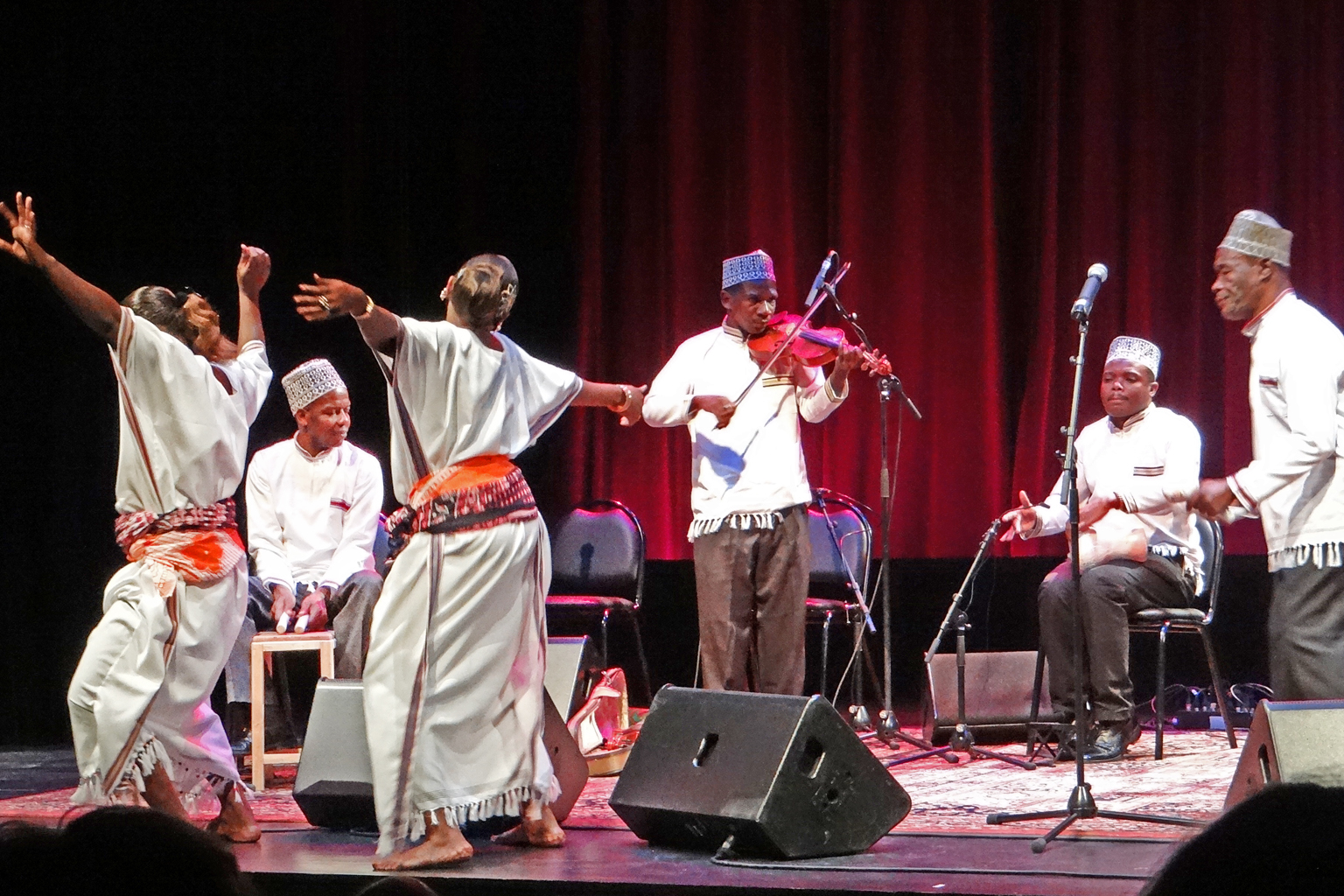
Contemporary taarab is performed at weddings, social gatherings, and occasional public concerts throughout Zanzibar the Old Fort hosts periodic performances, and several Stone Town restaurants feature live taarab on specific evenings. The music’s specific character slow, ornate, emotionally intense, with Swahili lyrics of considerable literary sophistication is unlike anything in the East African musical landscape and represents one of the Indian Ocean world’s most distinctive musical syntheses. Even for visitors with no background in the genre, a live taarab performance in the right setting a courtyard in Stone Town on a warm evening, with the sound of the music carrying over the rooftops is a memorable and specifically Zanzibari experience.
Planning Your Cultural Days: A Practical Guide
A Zanzibar visit of seven nights or more can comfortably accommodate both a full cultural programme and meaningful beach and marine time. The most efficient structure allocates the first two to three nights to Stone Town using the proximity to the medina’s sights, the slave market, the waterfront, and Forodhani Gardens to absorb the island’s cultural context before moving to the beach. A dedicated spice tour day can be timed from either Stone Town (morning pickup) or from a northeast coast beach property (the farms are accessible from either base). A Jozani Forest visit combines most naturally with a Stone Town base on the same day.
For guests with a shorter visit (four to five nights), a single full day in Stone Town allowing a guided morning walk through the medina and slave market history, lunch at one of the rooftop restaurants, and an afternoon at Forodhani covers the essential cultural ground without sacrificing beach time disproportionately. The spice tour can be added as a half-day from any beach base.
Frequently Asked Questions
How much of my Zanzibar visit should I spend on non-beach activities? At minimum, two of the first four days should be invested in Stone Town and the island’s interior. The Stone Town medina warrants a full half-day minimum for a quality exploration; the slave trade history site alone deserves an unhurried visit of one to two hours. The spice tour is a half-day activity from any base.
Is Stone Town safe to explore independently? Stone Town’s main tourist areas are safe for independent exploration during daylight hours. The medina is dense and occasionally disorienting a guided first walk with an orientation guide is valuable, after which independent navigation becomes straightforward. Evening in the main tourist areas (Forodhani Gardens seafood market, the Old Fort area) is safe and lively.