The phrase “post-safari beach extension” has become so routine in East Africa travel planning that the specific logic behind it is sometimes taken for granted. Not every beach destination earns its place at the end of a Tanzania or Kenya safari some require such complex routing that the logistics undermine the purpose, and others provide a quality of experience that is pleasant but not genuinely complementary to what the bush delivers. Zanzibar earns its place because the geography, the flight connections, the character of the island and the quality of its better properties combine to create something that functions as more than a beach holiday tacked onto a safari. It functions as the natural conclusion of an East African journey.
The Geography: Why Zanzibar Works Logistically
Zanzibar the main island of the Zanzibar Archipelago, properly called Unguja lies approximately 35 kilometres off the coast of mainland Tanzania and is served by Zanzibar International Airport with direct connections from Julius Nyerere International in Dar es Salaam and from Kilimanjaro International Airport. The flight from Kilimanjaro to Zanzibar takes approximately ninety minutes. From Dar es Salaam, it is less than thirty minutes. After a northern Tanzania safari circuit ending in Arusha or Kilimanjaro, the connection to Zanzibar requires no backtracking and adds no significant logistical complexity to the journey.

This geographic efficiency is not trivial. A beach extension that requires an international transit or a multi-leg connection adds fatigue and logistics cost that begins to undermine the restorative purpose of the stay. Zanzibar’s direct connections from the most common Tanzania safari exit points Kilimanjaro and Dar es Salaam mean that the transition from the bush to the beach is rapid, efficient and genuinely low-stress. Most clients complete it within a morning.
The Contrast: Why It Works Experientially
The experiential argument for Zanzibar after safari is the contrast principle: the two environments are as different as any two places in the same country can be. The safari is defined by early mornings, movement, alertness, dust, open landscapes, the unpredictability of wildlife encounters. Zanzibar is defined by stillness, warmth, the Indian Ocean, the rhythms of a Swahili island culture, and an approach to time that has nothing to do with game drive schedules. The transition from one to the other, properly paced a few days of beach and Stone Town rather than an exhaustive tour of every attraction produces a combination that most travellers describe as the definitive East African journey arc.
The physical rest dimension is also real. Safari is more tiring than most people anticipate the early departures, the concentration required for hours of wildlife observation, the physical exposure of open-vehicle travel in varying temperatures and arriving at Zanzibar with two or three days before the return flight allows genuine decompression. Travellers who combine safari with Zanzibar consistently report better adjustment to the return home than those who fly directly from the bush with no transitional rest period.
Stone Town: The Cultural Dimension
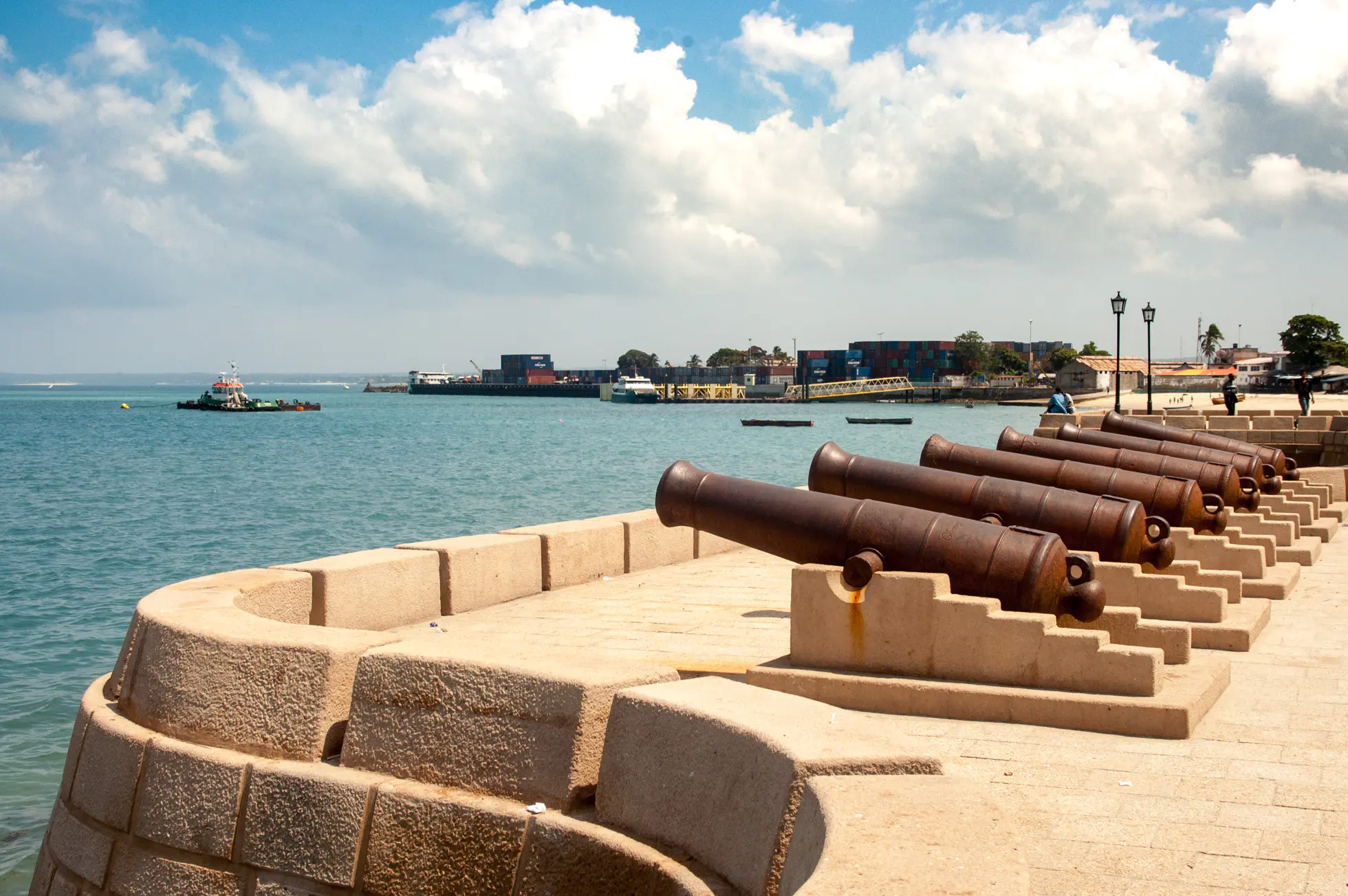
Zanzibar is not only a beach destination. Stone Town, the island’s historic capital, is a UNESCO World Heritage Site and one of East Africa’s most distinctive urban environments. The old town’s architecture reflects four centuries of Omani Arab, Indian, Portuguese and British influence carved wooden doors, coral-stone buildings, narrow lanes, the remains of a sultanate palace, a spice market operating on patterns established centuries before the first tourist arrived. A half-day or full day in Stone Town provides a cultural dimension to the Zanzibar stay that the beach properties outside the town cannot replicate.
Stone Town is best experienced with a knowledgeable local guide rather than independently the maze of lanes is genuinely confusing and the historical layers are best understood with the contextualising that a good guide provides. The Darajani Market, the House of Wonders, the Old Fort and the waterfront dhow harbour are the core attractions; a spice tour to a working spice plantation in the island’s interior adds the agricultural context that explains why Zanzibar’s history of trade was so consequential.
The Beach Properties: Quality at the Right End
The north-east of Zanzibar the Kendwa and Nungwi area and the east coast beaches Paje, Jambiani, Matemwe host the island’s best accommodation. The quality range is wide: from budget guesthouses to genuinely excellent boutique properties with exceptional food, attentive service and private beach access. For safari travellers arriving at the end of a premium itinerary, the beach property selection matters as much as the safari camp selection. A poorly chosen beach property one that is beautiful from a website but poorly managed, with inconsistent food and intrusive beach vendors undoes the restorative purpose of the extension.

The best Zanzibar properties for post-safari travellers are those that offer enough activity structure to feel engaged watersports, snorkelling excursions, spice tours without the activity pressure that some resorts impose. The ideal post-safari beach property has excellent food, a pool positioned for sunset views, and the good sense to leave guests alone when they want to sit with a book and the sound of the Indian Ocean. These properties exist on Zanzibar and are identifiable with the right operator guidance.
Water Temperature and Marine Life
The Indian Ocean around Zanzibar is warm year-round between twenty-five and twenty-nine degrees Celsius and has extensive coral reef systems that support excellent snorkelling and diving. The marine life includes sea turtles, numerous reef fish species, dolphins in the northern waters, and occasional whale shark sightings in the deeper offshore areas. The water visibility varies by season and location; the best snorkelling is generally on the east coast, particularly at Mnemba Atoll, which is accessible as a day excursion from most east coast properties.

The combination of the terrestrial safari and the marine environment creates a distinctive dual-ecosystem experience that few other travel destinations provide. The traveller who has watched elephant, lion and wildebeest in the Serengeti and then snorkelled over a living coral reef in the same journey has engaged with two of Africa’s most extraordinary ecosystems within a ten-day window. This is not a trivial ambition and Zanzibar’s proximity to the northern Tanzania parks makes it uniquely achievable.
How Long to Stay in Zanzibar
The optimal post-safari Zanzibar extension is three to four nights. Two nights is the minimum that allows genuine decompression enough time to get over the transition fatigue and settle into the beach rhythm before the return journey begins. Five or more nights is appropriate for travellers who specifically want to include diving courses, multi-day dhow excursions or a detailed Stone Town programme. For most post-safari travellers whose primary goal is rest and contrast, three to four nights in a well-chosen property with a Stone Town half-day built in is the definitive format.
How RYDER Signature Designs Zanzibar Extensions
Every RYDER Signature Zanzibar extension is designed with the same rigour applied to safari camp selection: we assess the specific traveller’s preferences beach character, activity level, Stone Town interest, food priorities and match them to a property that genuinely fits. We do not have a single default recommendation; the best Zanzibar property for a couple seeking complete stillness is different from the best property for a family with active teenagers or a solo traveller interested in the island’s history. The selection is individual, and the guidance we provide draws on current knowledge of the properties we work with rather than historical impressions.
When is the best time to visit Zanzibar after a Tanzania safari?
Zanzibar is welcoming year-round, but the clearest water for snorkelling and the best beach conditions are in the dry seasons June to October and December to February. These windows align well with the main Tanzania safari season. The long rains from March to May are wetter and windier; the Indian Ocean is less calm for snorkelling and the beach experience is less pleasant. A June-October safari combined with a Zanzibar extension is the most reliably excellent combination in terms of both environments performing at their best simultaneously.
Is Zanzibar appropriate for families with children?Zanzibar
Yes, with appropriate property selection. Several Zanzibar properties offer family accommodation, children’s activities, shallow-water swimming areas and the kind of beach environment where children can be safely active. Stone Town with young children requires more effort the alleyways and historical sites are not universally engaging for younger travellers but the marine environment is genuinely exciting for children who are comfortable snorkelling. The best family beach extensions on Zanzibar combine a property specifically chosen for family suitability with a structured activity programme that provides engagement without over-scheduling.
How do I get from Kilimanjaro to Zanzibar?
Direct flights from Kilimanjaro International Airport to Zanzibar are operated by several Tanzanian carriers including Precision Air and Coastal Aviation. Flight duration is approximately ninety minutes. The connection is typically managed as part of the full itinerary by your operator, with ground transfers at both ends included. Kilimanjaro International is conveniently located between Arusha and Moshi, and the departure timing from the Kilimanjaro gate can be designed to allow a final night near Arusha before the morning Zanzibar flight if preferred.
Is Zanzibar safe to visit?
Zanzibar has a very long history of safe tourism and is considered a low-risk destination by the standards of regional comparison. Standard travel precautions apply be aware of your surroundings in Stone Town, keep valuables secure, and follow your operator’s specific advice for the current context. The beach areas outside Stone Town are generally very relaxed and safe. RYDER Signature monitors current conditions in all our destinations and provides current, location-specific guidance to all clients as part of the pre-departure briefing.
The Food Dimension of Zanzibar
Zanzibar’s culinary identity is one of the most distinctive and underappreciated in East Africa. The island’s history as a spice trading centre cloves, cardamom, cinnamon, nutmeg grown in the island’s interior combined with its Swahili, Arab, Indian and Portuguese culinary influences has produced a food culture that is genuinely unique. The seafood is exceptional: freshly caught prawns, lobster, octopus and various reef fish prepared in preparations that draw on all of the island’s culinary threads. Urojo, the famous Zanzibar mix a complex, spiced soup sold in Stone Town’s Forodhani Gardens at night is one of the most distinctive street food experiences in the Indian Ocean world.
The best Zanzibar properties serve food that uses local ingredients prepared with real culinary intelligence not just the generic tourist menu that many beach destinations default to. Properties with a specific commitment to Swahili cuisine and local sourcing produce meals that are as memorable as the beach. For food-interested travellers, this dimension of the Zanzibar stay is worth factoring into property selection alongside the beach and the service quality.
The Practical Transition from Safari to Beach
The transition from a Tanzania safari camp to a Zanzibar beach property typically involves a morning departure from the final safari camp, a transfer to Kilimanjaro International or Arusha Airport, a charter or scheduled flight to Zanzibar, and an arrival at the beach property by early to mid afternoon. This is a comfortable transit that most travellers complete without difficulty. The main practical consideration is luggage: safari packing neutral colours, layers, comfortable walking gear is different from beach packing, and the soft-bag requirement for charter flights limits what can be carried for the beach extension. Packing a compact beach bag within the safari soft bag, or shipping a separate bag ahead to Zanzibar through the operator, solves this elegantly.
The transition day, properly managed, is not a lost day. Arriving at a well-chosen Zanzibar property in early afternoon, with time for a swim, a meal and an early night, sets up the rest of the beach stay well. Operators who treat the transit day as a necessary inconvenience rather than an opportunity to be managed well are missing one of the most straightforward elements of itinerary design to get right.
The Island as a Narrative Conclusion
There is a structural elegance to the safari-then-Zanzibar arc that experienced East Africa travellers recognise but rarely articulate explicitly. The safari is outward-facing eyes wide, attention directed at the landscape and its animals, the days structured around discovery. Zanzibar, done well, is inward-facing time to process what has been seen, conversations that only happen when there is no schedule to keep, the particular quality of thought that comes from sitting at the edge of a warm ocean with nowhere to be until dinner. The two environments are not just complementary in their contrasts; they are genuinely better together than either is alone. The journey that ends at the beach after the bush produces a different kind of satisfaction from the journey that ends at the airport directly from the safari camp. It produces a sense of completion.
This is why Zanzibar has earned its place as the standard conclusion of the East African journey for so many travellers over so many decades. The specific geography, the specific character of the island, the specific quality of the Indian Ocean in this part of the world these combine to produce an experience that functions as more than a beach holiday. It functions as the natural ending of something that began in the bush, and the best itineraries are designed with that arc consciously in mind from the first day of planning to the last afternoon on the sand.
RYDER Signature’s Zanzibar extensions are designed with this understanding at their core. The property selection, the activity structure, the timing of the Stone Town visit all of these decisions serve the larger narrative of the full journey rather than the beach stay in isolation. When the design is right, the client who boards their return flight from Zanzibar International carries not just memories of individual sightings and individual swims, but the specific satisfaction of an itinerary that built to a proper conclusion. That satisfaction is what brings them back.
Planning Your Zanzibar Extension: Key Decisions
The decisions that most affect the quality of a Zanzibar extension are: which part of the island to stay on, how many nights to allocate, whether to include Stone Town as a day visit or a night stay, and which additional excursions to build in. Property selection is the most consequential of these a mediocre property in an excellent beach location produces a less satisfying stay than an excellent property in a good but not spectacular location. The beach is important; the quality of the experience at the property is more important.
Our recommendation sequence: choose the property first, based on current information about management quality and guest feedback; then choose the beach location based on the character that matches the specific traveller’s preferences; then build the activity structure around the chosen base. This sequence ensures that the anchor of the stay the property is right, and that the rest of the programme serves it. The reverse sequence choosing a beach location and then finding the best available property there sometimes works and sometimes does not, depending on the current quality of properties in the specific area.
Three to four nights is the standard recommendation. Stone Town is worth at least a half-day, ideally the morning after arrival when energy is highest. Mnemba Atoll snorkelling, if snorkelling is a priority, is best scheduled mid-stay when the post-transit tiredness has cleared. The final afternoon and evening should be free of structured activities the beach, a book, and the sound of the Indian Ocean are the appropriate programme for the day before a return journey.